MaxPro Medical
Can cold hands affect pulse oximeter readings? Yes. Cold fingers may have reduced blood flow, making it harder for a fingertip device to detect a strong, steady pulse. The display may take longer to settle, fluctuate, or show an error. A small number can feel alarming. It may also reflect a weak signal rather than your true oxygen level.
Pulmonologist and researcher Dr. Michael Sjoding has studied limits in pulse-oximeter accuracy. His work is a useful reminder that a reading needs context; it should not be treated as a diagnosis by itself. The FDA likewise lists skin temperature among factors that can affect readings. That distinction matters when your hands feel icy after being outside or your fingertips look pale.
For a more reliable check, sit quietly and warm your hand naturally for several minutes. Remove dark nail polish if possible, then place the sensor on a clean, bare finger. Keep your hand still and wait for the number to stabilize. Check another finger if the signal remains erratic. Small details matter.
Even then, home devices are not perfect, and I would not rely on one number alone. Pay attention to symptoms such as worsening shortness of breath, confusion, or bluish lips, and seek medical advice when concerned. A warm finger can improve the signal, but it cannot explain every unusual result.
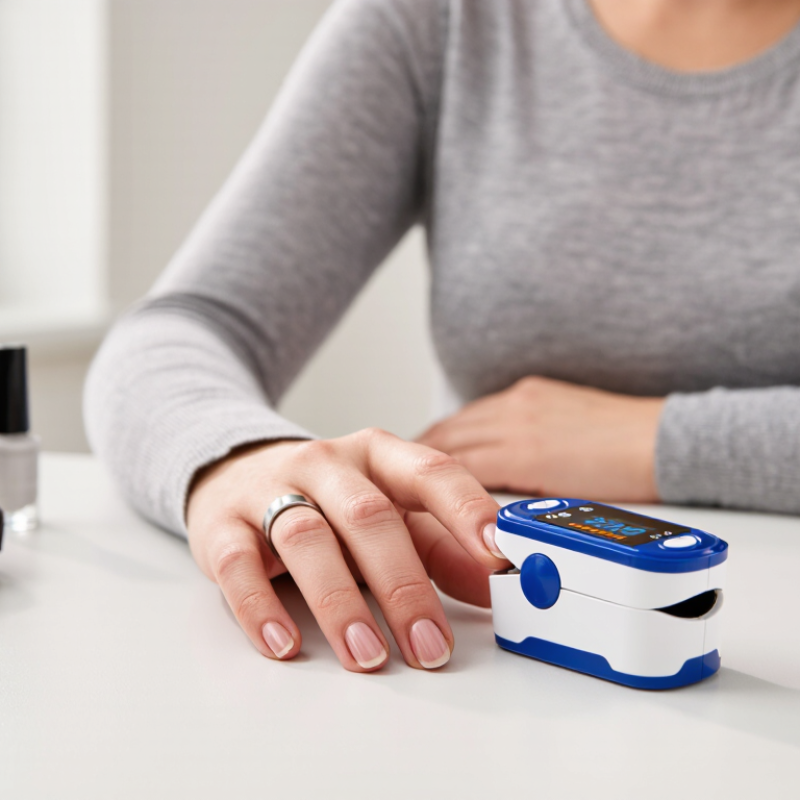
Cold hands can make a pulse oximeter reading less dependable because cold causes blood vessels near the skin to narrow. This response helps conserve heat, but it can also reduce blood flow to the fingertip. The device relies on light passing through pulsing blood, so a weaker pulse may produce a faint or unstable signal. Small fingers. Cold room. Shaky numbers.
A low reading on a cold hand does not automatically mean the oxygen level in the blood is low. The display may fluctuate, take longer to settle, or show no result. In practice, a finger that feels icy after being outdoors may need time to warm before measurement. Warm the hand gently indoors, then sit still with it relaxed and supported. Avoid hot water or direct heat, which can irritate skin.
Check that the fingertip is clean and the sensor fits as directed. Wait for a steady reading, and repeat it if the number changes sharply. I would not treat one unexpected result as a diagnosis; home devices have limits, and circulation, movement, and other factors can affect results. If readings remain concerning after your hand is warm, or you have symptoms such as trouble breathing, contact a health professional promptly. Follow any measurement instructions given by your clinician.
Conceptual pulse-signal illustration
Cold hands can have reduced blood flow at the fingertip, making the pulse signal weaker or less stable and potentially affecting a pulse oximeter reading. The curves shown are illustrative—not clinical measurements, and not a prediction of any specific reading. Warm your hand, keep still, and repeat the measurement; seek medical advice if a concerning reading persists or you feel unwell.
Before measuring, check that the pulse oximeter is clean, dry, and working according to its instructions. Sit quietly for a few minutes and let your hand warm naturally. A comfortably warm room or a loose glove can help; avoid very hot water, which may irritate skin or cause burns. Wait a moment.
Remove nail polish or artificial nails from the finger you plan to use, since they can interfere with the sensor. Choose a clean, dry index or middle finger that fits comfortably inside the clip. The finger should not feel squeezed. Rest your hand on a table, palm down, near heart level, and keep it still while the device measures. Small movements matter.
With cold hands, the first reading may be unstable or unusually low because reduced blood flow can make the signal harder to detect. If the numbers keep changing, warm your hand gently, then try another suitable finger. Give the display time to settle, and note whether the pulse reading also looks inconsistent. I find it easy to trust the first number too quickly; it is better to repeat the measurement under steady conditions. A home pulse oximeter is not a diagnosis, so seek medical advice for concerning symptoms even if its reading seems reassuring.
How to Get Accurate Pulse Oximeter Readings with Cold Hands
Cold fingers can reduce blood flow near the skin, making a pulse oximeter struggle to detect a steady signal. Warm your hand gently before measuring. Move indoors if you have just come in from the cold, then rest for a few minutes. You can rub your hands together or hold them around a warm mug. The warmth should feel comfortable, never hot. Avoid direct heat, such as a heating pad, which may burn numb skin. It is easy to rush this step; I would wait until the fingers feel warm, not merely less cold.
Tips: Dry your hand fully after washing it with comfortably warm water. Sit still, keep your hand relaxed, and follow the device instructions. Remove dark nail polish if practical. Wait for the display to settle, and repeat the measurement if the number seems inconsistent.
A single reading can be affected by movement, cold, or other factors, so consider the number alongside how you feel. If your fingers remain cold, try another finger after warming your hand. Do not rely on a home reading alone when you feel seriously unwell or have trouble breathing; seek prompt medical help.
Position the sensor as its instructions specify, with the fingertip fully inserted and the sensor sitting squarely. A crooked fit can block the light path. Keep the hand relaxed and supported, roughly level with your heart. Keep still. Even a small tremor can make the displayed pulse or oxygen level jump. Don’t squeeze the device or press the finger against a hard surface. Wait for the numbers to settle before recording them; a quick glance may catch a temporary fluctuation.
Cold fingers often have reduced blood flow, which can make a reading less dependable. The FDA lists poor circulation and skin temperature among factors that can affect pulse-oximeter accuracy. Warm your hand gently in a comfortable room, then try again; avoid hot water, and let the hand rest before measuring. No rubbing during the reading. ISO 80601-2-61:2017 sets a laboratory accuracy criterion of 4% Arms or less for oxygen saturation measurements from 70% to 100%. That is a device-testing benchmark, not a promise that every home reading is exact. I still find it easy to trust a steady number too quickly. If readings remain unusual or symptoms concern you, contact a healthcare professional rather than relying on one measurement.
Cold fingers can make a pulse oximeter struggle to detect a steady pulse. If the display jumps, do not treat one number as a verdict. Check whether your hand is cold, damp, or moving. Warm it gently indoors for several minutes, then sit still with your hand supported. Avoid hot water or direct heat, especially if your fingers feel numb.
Place the sensor as instructed, keeping your finger relaxed and still. Wait for the reading to settle, and check whether the displayed pulse seems plausible. Record the oxygen level and pulse, then repeat the measurement after a short pause, using another warm finger if needed. Give each attempt time. A rushed repeat may reproduce the same problem. Readings can vary with movement, circulation, device fit, and other factors. It is easy to trust a crisp number too quickly, so note how you feel as well. Home measurements have limits. If repeated readings remain below the range advised by your clinician, contact them for guidance. Seek urgent medical care for severe shortness of breath, chest pain, confusion, or bluish lips, rather than waiting for another reading.
Cold fingers may have reduced blood flow, making it harder to detect a steady pulse. The numbers may jump.
Insert your fingertip fully, following the device instructions. Keep the sensor square on your finger so its light path stays clear.
Keep your hand relaxed, supported, and roughly level with your heart. Keep still. Avoid squeezing the device or pressing your finger against a hard surface.
Check whether your hand is cold, damp, or moving. Warm it gently indoors, then rest your hand and try again.
Avoid hot water and direct heat, especially if your fingers feel numb. Let your hand rest before measuring. No rubbing during measurement.
Wait for the numbers to settle, record the oxygen level and pulse, then repeat after a short pause. A warm finger may help. Rushed repeats can repeat the same problem.
No. Movement, circulation, temperature, and sensor fit can affect readings. I still find a crisp number easy to trust too quickly.
Contact your clinician if repeated readings stay below the range they advised. Seek urgent care for severe shortness of breath, chest pain, confusion, or bluish lips. Don’t wait for another reading.
Cold fingers can reduce blood flow near the skin, making it harder for a pulse oximeter to detect a steady signal. If you are wondering, “can cold hands affect pulse oximeter readings,” the answer is yes: a reading may be delayed, unstable, or less reliable. Before measuring, check that the device is clean, working properly, and suitable for use on the finger you choose. Remove nail coverings if they interfere, and make sure the finger fits comfortably in the sensor.
Warm your hand gently before taking a measurement, for example by rubbing it or holding it in a comfortably warm place. Avoid hot water or direct heat. Place the sensor as directed, keep your hand relaxed and still, and wait for the display to settle. If the result seems inconsistent, warm your hand again and repeat the measurement on another suitable finger. Consider how you feel as well as the number, and contact a healthcare professional if you have concerning symptoms or ongoing doubts.
