MaxPro Medical MaxPro Medical

7 Best Smart Watches Can They Replace a Medical Grade ECG?

Time:2026-10-15 Author:Sienna
0%

Smart watches now place heart rhythm tracking on a wrist beside your morning coffee. Many models can record a single-lead ECG, detect irregular rhythms, and store results for a clinician. Yet the important question remains: can a smart watch replace a medical grade ecg? The short answer is usually no, but the reasons deserve careful attention.

This guide examines seven leading smart watches through accuracy, usability, sensor quality, and clinical relevance. A watch may capture a useful tracing during palpitations, dizziness, or an unusually fast heartbeat. Its screen can show timing, waveform patterns, and possible atrial fibrillation alerts within seconds. However, a medical ECG commonly uses twelve leads, trained supervision, and calibrated equipment. That broader view can reveal changes a wrist sensor may miss.

Real-world experience also matters. A loose strap, sweaty skin, movement, or cold fingers can produce an unclear recording. Even a clean-looking result cannot rule out every heart condition. That is an easy detail to overlook. We will compare manufacturer evidence, independent testing, medical guidance, and practical limitations. The discussion will distinguish wellness features from diagnostic tools, without treating brand claims as clinical proof.

This is not a perfect comparison. Software updates can change performance, and research does not cover every user equally. Still, a careful review can help readers understand when a smartwatch offers useful information and when professional assessment remains essential. Seek urgent medical care for severe chest pain, fainting, serious breathing difficulty, or persistent symptoms.
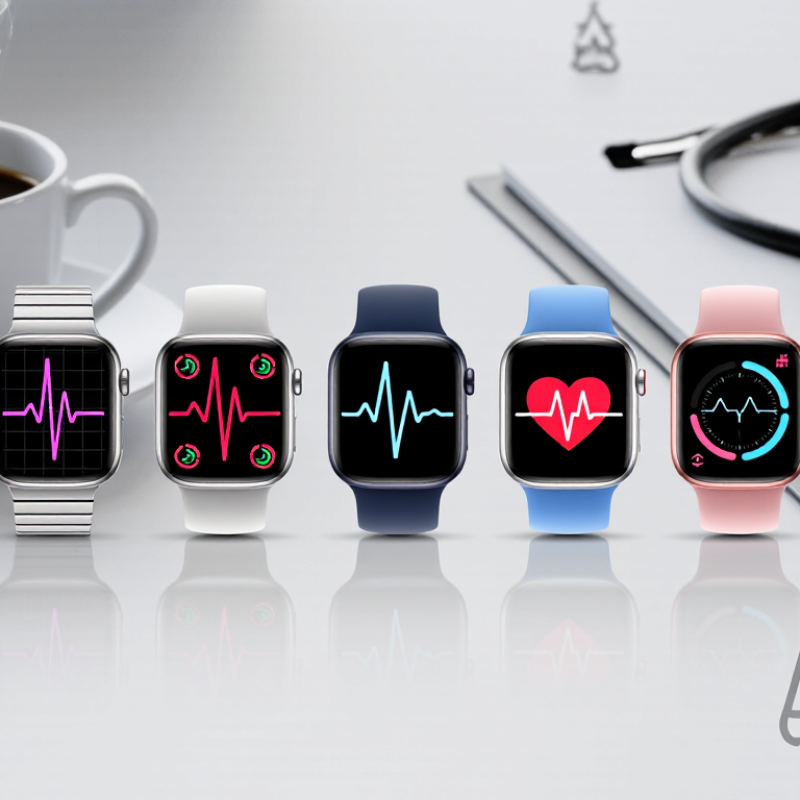
7 Best Smart Watches Can They Replace a Medical Grade ECG?

What a Smartwatch ECG Measures and How It Works

A smartwatch ECG records the heart’s electrical activity through sensors on the watch case and your fingertip. When you touch the designated electrode, your body completes a small electrical circuit. The device then captures the timing of each heartbeat and displays a waveform on the screen.

Most smartwatches produce a single-lead recording. This can help identify patterns linked with an irregular rhythm, such as atrial fibrillation. It may also show whether the rhythm appears regular during the short recording. However, it does not measure every part of the heart’s electrical system. A clinical ECG usually uses several leads placed across the chest and limbs, creating a broader view.

Small details can affect the reading. A loose strap, cold fingers, sweat, dry skin, or movement may create noise. Sit quietly. Rest your arm on a table. Avoid talking during the recording. Even then, an algorithm can misclassify a normal rhythm or miss a serious problem. That limitation matters.

A smartwatch ECG is a screening tool, not a full diagnostic examination. It cannot reliably explain chest pain, fainting, breathing difficulty, or unusual fatigue. If these symptoms occur, seek urgent medical care instead of repeating the recording. A healthcare professional may compare the smartwatch result with symptoms, medical history, blood tests, and a multi-lead ECG. The result is useful evidence, but it is not the whole clinical picture.

Seven Leading Smartwatches With ECG Monitoring Features

Seven leading ECG-enabled smartwatch platforms now offer more than pulse counting. They can capture a short, single-lead tracing, flag possible atrial fibrillation, and export readings for clinical review. Some also provide irregular-rhythm alerts, symptom notes, and cloud history. Features differ sharply.

The World Health Organization reports that cardiovascular disease caused 17.9 million deaths in 2019. That figure explains the appeal of convenient heart monitoring. However, a smartwatch ECG is not a medical-grade, 12-lead ECG. The 2023 ACC/AHA/ACCP/HRS atrial fibrillation guideline stresses clinician interpretation for diagnosis. The U.S. Food and Drug Administration also describes these tools as supportive, not definitive. I would not call every alert reliable. Motion, loose fit, dry skin, or poor contact can distort a reading. False reassurance remains possible.

Tips: Sit still, rest your arm, and record symptoms beside each tracing. Share repeated alerts with a qualified clinician. Do not change medication from a watch notification. Deloitte’s 2024 Connected Consumer Survey shows health tracking remains a major reason people use wearables, yet enthusiasm can exceed evidence. The strongest choice is a watch with clear ECG instructions, downloadable reports, validated software, and transparent regulatory information. Even then, it cannot replace a clinical examination.

7 Best Smart Watches Can They Replace a Medical Grade ECG? - Seven Leading Smartwatches With ECG Monitoring Features

Rank Smartwatch Type ECG Configuration Typical Recording Time Common Rhythm Screening User Feedback Can Replace a Medical-Grade ECG?
1 FDA-cleared single-lead ECG smartwatch One electrical lead using the watch case and opposite fingertip About 30 seconds per recording Possible atrial fibrillation, sinus rhythm, high or low heart-rate alerts Usually provides a waveform and a classification message No. Useful for screening, but not a replacement for a 12-lead clinical ECG.
2 Clinically validated ECG smartwatch Single-lead electrical measurement with app-based review Approximately 30 seconds Rhythm irregularity and possible atrial fibrillation screening May allow PDF export or sharing of the recorded trace No. A clinician must interpret symptoms and results in context.
3 ECG smartwatch with irregular-rhythm notifications On-demand single-lead ECG plus optical pulse monitoring Around 30 seconds for an on-demand trace Possible atrial fibrillation and irregular pulse patterns Automatic notifications can prompt users to take a manual ECG No. Notifications are screening tools and can produce false positives or negatives.
4 Health-focused ECG smartwatch Single-lead ECG supported by optical heart-rate sensors Typically 30 seconds Sinus rhythm and possible atrial fibrillation assessment Best results require a steady posture and firm skin contact No. It cannot show all cardiac leads or reliably identify every heart condition.
5 ECG smartwatch with wellness and activity tracking Single-lead ECG combined with continuous optical heart-rate tracking About 30 seconds when manually activated Possible irregular rhythm and heart-rate abnormalities Useful for recording symptoms during rest, but not during vigorous movement No. Motion, poor contact, skin conditions, and electrical noise can affect accuracy.
6 ECG smartwatch with health-report sharing One-lead ECG with digital record storage and export features Generally 30 seconds per measurement Possible atrial fibrillation and normal rhythm classification Can help users provide a symptom-time recording to a healthcare professional No. Shared recordings support medical evaluation but do not replace it.
7 Entry-level ECG-enabled smartwatch Single-lead ECG available only in supported countries and age groups Usually about 30 seconds Limited rhythm screening, commonly focused on possible atrial fibrillation Performance depends on software version, regulatory approval, and correct placement No. Availability and features vary, and the device is not intended for diagnosis.

Important: Smartwatch ECG functions generally record a single electrical lead and are designed for screening or wellness support. A clinical 12-lead ECG provides substantially more information and should be performed and interpreted by qualified healthcare professionals. Seek urgent medical attention for chest pain, severe shortness of breath, fainting, or persistent palpitations.

How Smartwatch ECGs Differ From Medical-Grade ECG Tests

A smartwatch ECG and a medical-grade ECG both record the heart’s electrical activity, but they do not provide the same clinical view. Most smartwatches capture a single-lead tracing through sensors on the wrist and finger. A clinical ECG usually uses ten electrodes to create twelve views of the heart. This broader recording can reveal patterns that a wearable may miss, including some conduction problems, reduced blood flow, or subtle rhythm changes.

The difference becomes clear during a real episode. A watch may show an irregular rhythm while someone sits at a kitchen table. A medical ECG can capture that rhythm alongside symptoms, blood pressure, medical history, and physical findings. Context matters. A wearable reading can be useful evidence, not a complete diagnosis. Movement, loose contact, sweat, and poor skin contact can produce confusing lines. Some devices also cannot interpret every rhythm accurately.

Useful, but limited.

A careful user should save repeated readings, note the time, and record symptoms such as chest pressure, faintness, or breathlessness. Sharing the original tracing with a qualified clinician may improve the discussion. However, a normal smartwatch result should not dismiss concerning symptoms. In an emergency, immediate medical care matters more than checking another reading. It is tempting to treat a clean graph as proof of health. That assumption needs questioning, because a smartwatch samples a narrow window of a complex biological system.

Smartwatch ECGs vs Medical-Grade ECG Tests

Number of ECG leads recorded simultaneously in a representative measurement

A typical smartwatch ECG records a single-lead tracing, which can help identify irregular rhythms such as atrial fibrillation. A standard diagnostic ECG uses 12 leads recorded from multiple electrode positions, providing a more comprehensive view of the heart. Smartwatch capabilities vary by model and are not a substitute for clinical evaluation.

When Smartwatch ECG Results Can Support Heart Monitoring

A smartwatch ECG can support heart monitoring, but it cannot fully replace a medical-grade ECG. Most watches record a single electrical lead through sensors on the wrist and finger. Clinical ECG machines usually capture twelve leads, offering a broader view of heart activity. That difference matters when symptoms are complex.

A smartwatch reading may help document irregular rhythms, especially when palpitations appear suddenly. Record the tracing while sitting quietly, with clean, dry skin and steady contact. Note the time, symptoms, exercise, caffeine intake, and medications. A clear recording can give a clinician useful context during an appointment. It may also reveal patterns that are easy to forget.

Still, the result is not a diagnosis. Movement, loose contact, skin moisture, or an elevated pulse can distort the signal. A normal reading does not rule out every heart problem. I have learned that a neat trace can still mislead when symptoms are ignored. Chest pressure, fainting, severe breathlessness, or persistent rapid heartbeat requires prompt medical attention, regardless of the watch result. Save unusual recordings and share them with a qualified healthcare professional. The device supports the conversation; it does not replace examination, clinical judgment, or a full diagnostic ECG.

Choosing and Using a Smartwatch ECG Safely

7 Best Smart Watches: Can They Replace a Medical-Grade ECG?

A smartwatch ECG can be useful, but it does not replace a medical-grade ECG. Most watches record electrical activity from limited contact points. A clinical ECG uses several leads and trained interpretation. It can reveal patterns that a wearable may miss. In practice, a watch is better viewed as a screening and tracking tool. It may flag an irregular rhythm during quiet moments, but it cannot explain every flutter, pause, or fast heartbeat.

Use it carefully. Sit still, rest your arm on a table, and keep your finger gently on the sensor. Clean, dry skin usually gives a clearer recording. Take notes about your symptoms, sleep, caffeine, exercise, and medication timing. Share the recordings with a qualified clinician instead of interpreting them alone. A normal result can feel reassuring, yet it does not rule out every heart problem. That is an uncomfortable limitation.

Tips: Record symptoms as they happen. Repeat poor readings once, not endlessly. Check the watch fit without making it tight. Do not exercise while recording. Never delay urgent care because an app reports “normal.” Chest pressure, fainting, severe breathlessness, or sudden weakness require immediate medical attention. The device can support a conversation with a clinician, but it cannot become the clinician.

FAQS

How does a smartwatch ECG differ from a clinical ECG?

A smartwatch usually records one electrical lead through wrist and finger contact. A clinical ECG commonly uses multiple electrodes and twelve views. It provides a broader picture of heart activity.

Can a smartwatch ECG diagnose a heart condition?

No. It can support screening and tracking, but it cannot provide a complete diagnosis. Some rhythm problems may remain hidden.

When can a smartwatch ECG be useful?

It may document an irregular rhythm during sudden palpitations. Record the tracing while sitting quietly at a kitchen table. Save the time and your symptoms.

How can I get a clearer smartwatch ECG recording?

Sit still and rest your arm on a table. Keep your skin clean and dry. Touch the sensor gently with one finger.

What can make a smartwatch ECG inaccurate?

Movement, sweat, loose contact, and poor skin contact can distort the tracing. Exercise may also create confusing signals. Repeat a poor reading once, not endlessly.

What information should I record with an ECG reading?

Note the time, symptoms, exercise, caffeine, sleep, and medication timing. Details can help a clinician see patterns. Memory is unreliable.

Does a normal smartwatch ECG mean my heart is healthy?

No. A normal tracing covers only a short window. It cannot rule out every heart problem. A clean graph can still mislead.

When should I seek urgent medical care?

Seek immediate care for chest pressure, fainting, severe breathlessness, sudden weakness, or persistent rapid heartbeat. Do not wait for another reading. Symptoms matter more.

Conclusion

Smartwatches with ECG features use electrical sensors on the skin to record the heart’s rhythm and identify patterns that may suggest an irregular heartbeat. This article explores seven leading smartwatch options, explains how their ECG functions work, and compares their single-lead readings with the more detailed multi-lead tests performed by medical professionals. While wearable ECGs can be useful for tracking heart activity, recording symptoms, and sharing relevant results with a healthcare provider, they are not designed to diagnose every heart condition or detect all potential problems.

The article also considers whether can a smart watch replace a medical grade ecg and explains why the answer is generally no. Accuracy can be affected by movement, poor contact, skin conditions, or incorrect use. Readers will learn how to choose a device responsibly, take readings correctly, recognize when results may require professional attention, and understand that smartwatch data should support—not replace—clinical evaluation and medical advice.

Sienna

Sienna

Sienna is a skilled marketing professional with a deep expertise in our company’s core products and services. With a passion for innovation and detail, she plays a pivotal role in crafting insightful blog posts that not only highlight the unique features of our offerings but also provide valuable......