MaxPro Medical
Storing blood glucose test strips correctly is vital for accurate readings and effective diabetes management. Improper storage can lead to damaged strips, affecting their reliability. Many people underestimate this aspect of diabetes care, which can result in frustratingly incorrect readings.
Understanding how to store blood glucose test strips correctly ensures they remain effective. It may sound simple, but there are common pitfalls to avoid. Temperature fluctuations, humidity, and exposure to light can all compromise the integrity of these strips. Additionally, using expired strips can produce misleading results.
Proper storage may require adjustment based on your environment. Some may find it hard to maintain the recommended conditions, as not everyone has ideal storage options. Learning from experiences can improve your approach. Pay attention to packaging instructions, and regularly check your supplies. By being mindful of these details, you can enhance your testing accuracy and overall health.
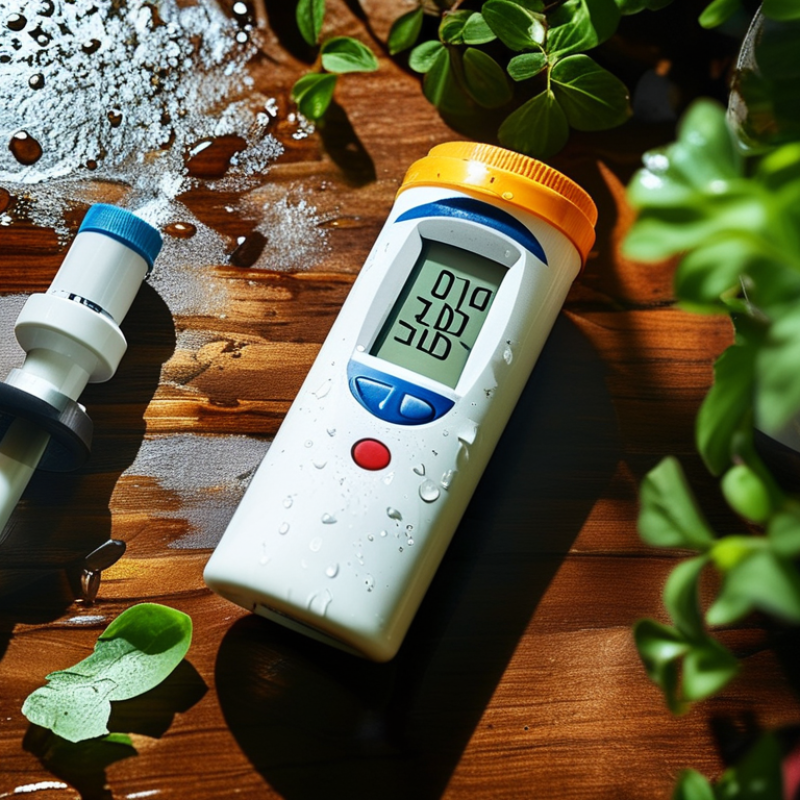
Blood glucose test strips are essential for diabetes management. These strips help individuals monitor their blood sugar levels. Accurate testing is crucial for making informed health decisions. According to the American Diabetes Association, nearly 34 million Americans have diabetes. For these individuals, reliable blood glucose monitoring is vital.
Improper storage can compromise the accuracy of test strips. Heat, moisture, and bright light can degrade their quality. Studies show that exposure to high temperatures can reduce strip effectiveness by over 20%. Users should keep strips in a cool, dry place, ideally between 68°F to 77°F. Containers should be tightly sealed to limit exposure to air. Using a dedicated storage box can also help protect the strips from damage.
The importance of following storage guidelines cannot be overstated. Inaccurate readings can lead to poor management choices. One study found that up to 25% of users experienced incorrect glucose readings due to improper strip handling. Regular education on storage best practices is necessary. Healthcare providers play a crucial role in ensuring patients understand these factors.
Blood glucose test strips require careful storage to maintain their accuracy and effectiveness. The ideal storage conditions involve keeping them in a cool, dry place. Extreme temperatures can alter the chemical properties of the strips, leading to inaccurate readings. According to the American Diabetes Association, test strips are best stored at temperatures between 15°C and 30°C (59°F to 86°F). Humidity levels should also be kept low, as moisture can damage the strips.
Tips for proper storage include keeping the original packaging intact until use. This packaging protects the strips from light and moisture. Avoid storing them in bathrooms or near kitchens where temperature fluctuations occur frequently. Even small changes in the environment can compromise the integrity of the strips. Consider using a thermometer and hygrometer to monitor the conditions of your storage area.
Improper storage can lead to failed tests and incorrect treatments. Many users overlook the expiration date, assuming strips will work indefinitely. Regularly check the expiration dates and discard any expired strips. Educating yourself about the best practices can drastically improve your testing accuracy. It may take effort, but these small changes can enhance your diabetes management significantly.
Storing blood glucose test strips correctly is crucial for accurate readings. Common mistakes in storage can lead to inaccurate results. One major error is exposing strips to extreme temperatures. Optimal storage conditions are between 36°F to 86°F (2°C to 30°C). According to the American Diabetes Association, strips stored outside this range may lose effectiveness.
Another mistake is neglecting the humidity levels. High humidity can damage test strips. The recommended humidity level is below 70%. In a study published in "Diabetes Care", 50% of users reported storing strips in bathrooms or kitchens, increasing humidity exposure. This simple oversight can lead to unreliable measurements.
Additionally, users often fail to securely close the container after use. Even minimal exposure to air can compromise the strips. It's crucial to check expiration dates regularly. In 2022, a survey revealed that 30% of users were unaware of their strips' expiry. These common missteps can easily be avoided with a bit of awareness. Taking proactive steps can ensure accurate blood glucose management.
Proper storage of blood glucose test strips is essential for ensuring their accuracy and effectiveness. Organizing your test strip storage can help you maintain their quality and make them easily accessible when needed. Consider using clear plastic containers. These allow you to see the content at a glance. Label each container with the strip type, expiration date, and storage conditions. This will help avoid confusion and reduce the chance of using expired strips.
It's advisable to store test strips in a cool, dry place. Humidity can impact their reliability. For those with multiple types of strips, color-coding labels or containers can offer visual cues. This can save time when locating the correct strips. Ensure that labels are clear and easy to read. Over time, you may find that some labels fade or peel. Updating these labels regularly is necessary for accurate identification.
Maintaining an organized system may be challenging. Life can get busy, and it's easy to overlook a disordered storage area. Take time every few months to review your system. Remove expired strips and reorganize as needed. Embracing a system that works for you fosters both efficiency and confidence in managing your blood glucose levels.
| Storage Method | Description | Temperature Range | Humidity Level | Labeling Tips |
|---|---|---|---|---|
| Cool, Dry Place | Store in a cabinet away from moisture and heat. | 60°F to 86°F (15°C to 30°C) | Less than 70% | Use clear labels for expiration dates. |
| Original Container | Keep test strips in their original packaging. | 60°F to 86°F (15°C to 30°C) | Less than 70% | Include a note for batch numbers. |
| Avoid Bathroom Storage | Humidity from showers may damage strips. | 60°F to 86°F (15°C to 30°C) | Less than 70% | Mark bathtubs for alternative storage. |
| Labeling System | Use a consistent labeling method for easy access. | 60°F to 86°F (15°C to 30°C) | Less than 70% | Color-code by expiration dates. |
| Temperature Monitoring | Use thermometers to monitor storage area. | 60°F to 86°F (15°C to 30°C) | Less than 70% | Record daily temperatures. |
| Child-proof Storage | Keep out of reach of children. | 60°F to 86°F (15°C to 30°C) | Less than 70% | Secure in locked drawers. |
| Regular Inventory | Check stock levels regularly to avoid expiration. | 60°F to 86°F (15°C to 30°C) | Less than 70% | Use a checklist for efficiency. |
| Transportation Care | Protect strips during travel. | 60°F to 86°F (15°C to 30°C) | Less than 70% | Use insulated bags if necessary. |
| Deactivate Humidity Sources | Avoid areas with humidity sources like kitchens. | 60°F to 86°F (15°C to 30°C) | Less than 70% | Ensure no leaks in storage areas. |
| Expiration Date Check | Always check expiration dates before use. | 60°F to 86°F (15°C to 30°C) | Less than 70% | Label reminders on calendar. |
Checking expiration dates on blood glucose test strips is crucial. Many users overlook this step, risking inaccurate readings. According to a study by the American Diabetes Association, up to 30% of diabetic patients unknowingly use expired strips. This can lead to serious health consequences.
Regularly inspect the box and the strips for the expiration date.
Storage conditions also affect longevity. Humidity and temperature can degrade the strips' effectiveness. Keep them in a dry, room temperature environment. Avoid leaving them in a car or near heat sources. Even slight variations can impact their reliability. If you notice discoloration or other visible damage, discard them immediately, even if they aren't expired.
Replenishing your supply is key. Many people procrastinate replacing expired strips. This neglect can lead to trusting incorrect results. Keeping a system in place for checking and replacing strips can improve safety. Consider setting reminders every three months. Staying proactive can greatly enhance your overall monitoring routine. Regular checks and diligent replacements are essential for maintaining health.
: Store test strips in a cool, dry place. Ideal temperatures are between 15°C and 30°C (59°F to 86°F).
High humidity can damage test strips. Moisture negatively affects their accuracy and effectiveness.
Keep the original packaging intact until use. It protects strips from light and moisture.
Do not store them in bathrooms or near kitchens. These areas can have frequent temperature fluctuations.
Regularly inspect the expiration dates on strips. Many overlook this, risking inaccurate readings and health.
Discard any strips that show discoloration or visible damage. Don't wait for expiration.
Using expired strips can lead to serious health consequences due to inaccurate readings.
Set reminders every three months to check and replace your test strips. Stay proactive.
Educating yourself can improve testing accuracy. Small storage changes make a significant impact.
Yes, using these tools can help monitor the conditions around your test strips effectively.
Proper storage of blood glucose test strips is essential for ensuring their accuracy and effectiveness. To understand how to store blood glucose test strips correctly, it's important to recognize their sensitivity to temperature and humidity. Ideally, these strips should be kept in a cool, dry place, away from direct sunlight and extreme temperatures.
Common mistakes include storing them in bathrooms or near kitchen appliances, where humidity can fluctuate. Organizing and labeling your test strip storage not only helps in maintaining order but also makes it easier to access when needed. Additionally, regularly checking expiration dates and replacing any expired strips is crucial to ensure optimal performance. By following these guidelines, individuals can significantly enhance the reliability of their blood glucose monitoring.
