MaxPro Medical
Many people rely on blood glucose monitors for managing their health. However, a common frustration arises: "why does my blood glucose monitor show different results back to back?" Understanding this issue is critical for effective diabetes management. Several factors can influence readings, leading to varied results.
One primary reason could be the calibration of the device. Monitors may require regular calibration to ensure accuracy. Environmental factors can also play a role. Temperature and humidity can affect blood sample analysis. Additionally, user technique applies. Different pricking sites or uneven blood application can alter results.
It’s essential to recognize that fluctuations in glucose levels can be normal. Stress, diet, and physical activity all contribute to how glucose behaves in the bloodstream. Emphasizing reliable practices when testing can improve consistency. Always consult healthcare professionals for guidance on interpreting your readings. Your health should always be a priority.
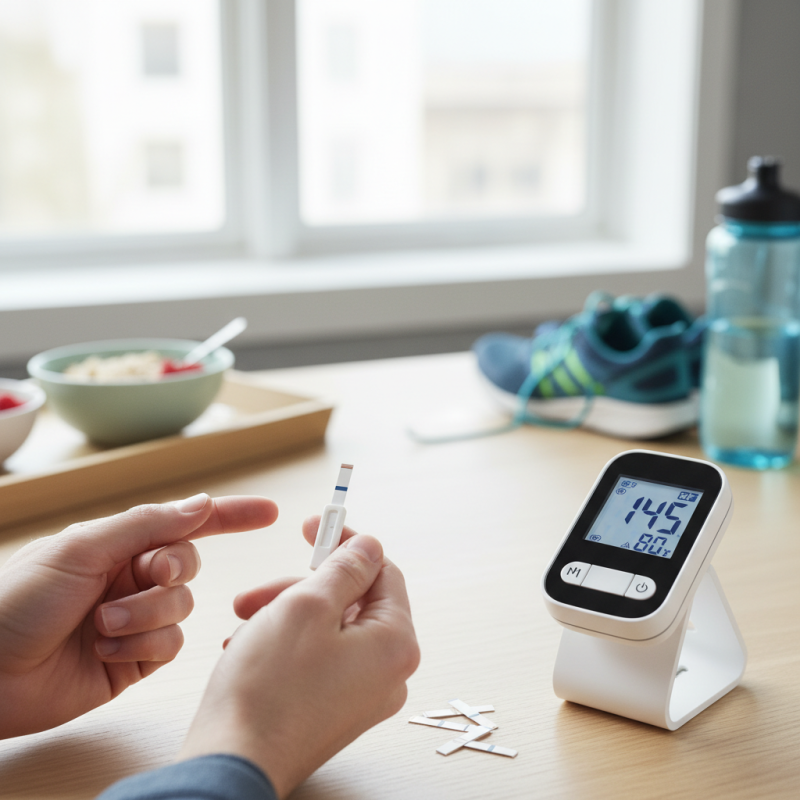
Blood glucose monitors are essential for managing diabetes. However, many users notice varying results even with consistent testing. Several factors can affect the accuracy of these devices, leading to confusion and frustration.
One significant factor is the calibration of the monitor. If it's not calibrated correctly, the results can deviate from actual blood glucose levels. Additionally, variations in temperature and humidity may impact performance. For example, using a device in extremely hot or cold conditions can lead to false readings.
Tip: Always store your monitor in a stable environment. Keep it at room temperature to ensure accurate results.
Another influence is the sample size. A tiny drop of blood might not provide a representative reading. If the sample is too small, it can lead to errors in calculation. Maintaining the right technique while applying the blood sample is crucial.
Tip: Ensure your test strips are within the expiry date. Expired strips can yield unreliable results.
Lastly, individual factors like skin condition or recent physical activity can add variability. If your hands are not clean or you’ve been active before testing, results may not be precise. Reflecting on your testing habits is vital for achieving more reliable readings.
Variability in blood glucose levels often surprises users of glucose monitors. Factors such as food intake, stress, and physical activity can all influence readings. A study published in the Journal of Diabetes Science shows that post-meal glucose spikes can differ by as much as 50 mg/dL among individuals. This variability highlights the importance of context when interpreting results.
Testing conditions also play a significant role. Environmental factors such as temperature and humidity can affect meter accuracy. According to the American Diabetes Association, using test strips outside their recommended temperature range can yield unreliable results. Not everyone considers these conditions, which can contribute to confusing blood glucose readings.
Additionally, user technique is crucial. Poor sample size or incorrect application can skew the results. Research has indicated that nearly 30% of users do not follow proper testing procedures. This highlights the need for ongoing education on best practices for blood glucose monitoring. Understanding and acknowledging these factors can lead to more reliable management of diabetes.
Blood glucose monitors are essential tools for managing diabetes. However, users often notice fluctuating results. One common reason for this issue relates to calibration. Accurate calibration ensures that the monitor reads blood sugar levels correctly. Regular calibration can prevent discrepancies.
Tips for calibration: Follow the manufacturer’s guidelines carefully. Test your monitor with control solutions to ensure accuracy. Outdated calibration can lead to erroneous readings. Regular checks can help you identify errors early.
Maintenance is also crucial. Keep the monitor clean and store it in a controlled environment. Extreme temperatures can impact readings. Remember to replace batteries as needed. Regular maintenance helps maintain the reliability of your device.
Tips for maintenance: Clean the sensor area with a soft cloth. Avoid using harsh chemicals during cleaning. Track your performance over time to spot trends or inaccuracies. Addressing these small issues can improve your experience and confidence in the results.
Blood glucose monitors vary widely in their design and technology. This leads to different results, even when measuring the same blood sample. Differences can stem from multiple factors, including the type of meter, testing method, and calibration process. For instance, some meters use enzyme-based technology, while others rely on electrical conductivity. This can influence accuracy.
The environment also plays a crucial role. Temperature and humidity can affect the readings. A meter stored in a hot car may give inaccurate results. Additionally, user technique matters. Washing hands properly before testing can make a significant difference. Not all users follow best practices, which can lead to inconsistent results.
While these variations are frustrating, they highlight the need for regular calibration and awareness of each meter's limitations. Understanding the technology behind your glucose meter can aid in better management of your health. It’s essential to question results and seek guidance when discrepancies arise. Regular consultations with healthcare professionals can ensure that the meter you use aligns with your individual health needs.
Blood glucose monitors are essential for diabetes management. However, users often encounter varying results. One key reason for this discrepancy is user error. Common mistakes include improper calibration, incorrect strip handling, and hygiene issues. A small amount of blood or even dirt on the strip can lead to inaccurate readings.
Understanding the proper technique is crucial. Many users apply blood incorrectly, either too much or too little. Not washing hands before testing can introduce substances that alter results. It's important to follow device instructions carefully. This includes checking the expiration date of test strips.
Beyond technique, environmental factors can also play a role. Temperature and humidity can affect the device's performance. It's easy to overlook these details, leading to false reassurance or unnecessary panic. Regularly reviewing testing methods and seeking guidance from healthcare professionals can improve accuracy.
: Variability is influenced by factors like food intake, stress, and physical activity.
Spikes can differ by up to 50 mg/dL among individuals after meals.
Temperature and humidity can impact meter performance. Users might overlook these conditions.
Incorrect sample size or application can skew results significantly. Many users may not follow proper procedures.
Accurate calibration ensures correct readings. Regular checks can prevent discrepancies.
Follow guidelines, use control solutions, and check calibration regularly to ensure accuracy.
Clean the monitor, store it properly, and replace batteries as needed for reliability.
Many don’t calibrate regularly or ignore environmental conditions, leading to possible errors.
Keeping the sensor area clean prevents inaccuracies. Avoid harsh chemicals during cleaning.
Monitoring trends over time can highlight inaccuracies and build confidence in results.
Variability in blood glucose readings can often prompt the question, "why does my blood glucose monitor show different results back to back?" Several factors can influence the accuracy of these monitors. First, various environmental and physiological factors, such as temperature, humidity, and even the user's blood flow, can lead to fluctuating blood glucose levels. Calibration and maintenance of glucose monitors are equally critical; a poorly calibrated device may yield inconsistent readings.
Moreover, different types of glucose meters can produce varied results due to differences in technology and measurement techniques. User error, such as improper blood sample application or incorrect timing, further contributes to discrepancies in readings. By understanding these factors, users can minimize variability in their blood glucose monitoring and achieve more reliable results.
