 MaxPro Medical
MaxPro Medical
MaxPro Medical
Measuring blood pressure at home can often yield different results than expected. Many individuals wonder, "why does my blood pressure increase when taking it at home?" Understanding this phenomenon requires reflection on various factors. Anxiety about health can elevate readings. The very act of measuring may trigger stress. This is a common experience for many patients.
Moreover, environmental influences play a significant role. A quiet, relaxed setting can yield lower numbers. However, a busy or noisy environment might elevate readings. It's essential to consider physical comfort as well. Sitting position and arm placement are crucial for accurate results. Unfortunately, many overlook these details and face inaccurate readings.
Lastly, ensure that the equipment used is reliable and correctly calibrated. An old or faulty blood pressure monitor can lead to misleading results. Personal habits, like caffeine consumption or exercise prior to measuring, can also affect readings. Addressing these points can help demystify the fluctuations in your blood pressure at home.
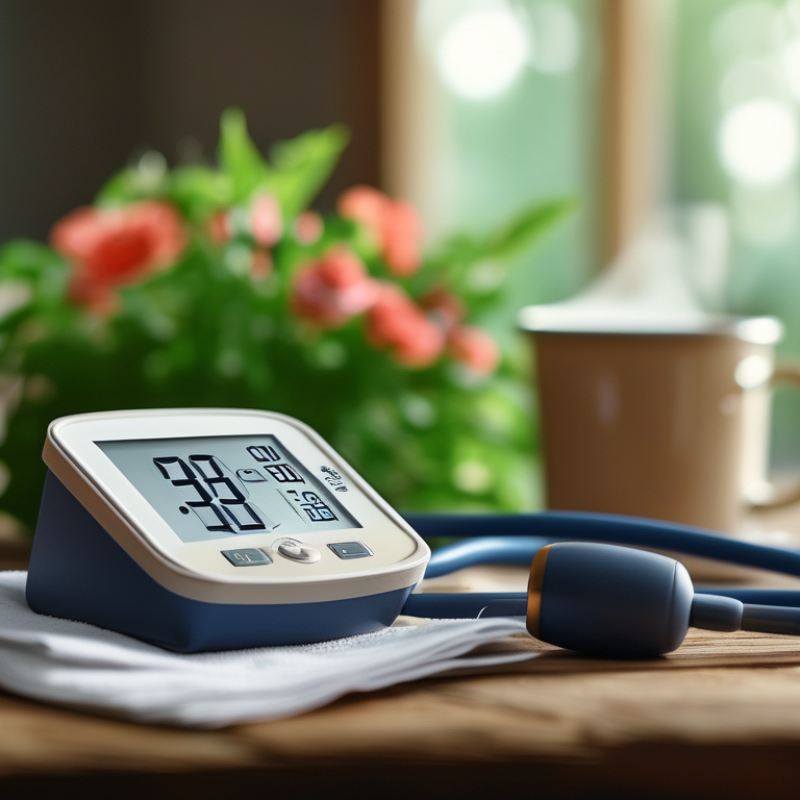
Many people experience elevated blood pressure readings when measured at home. This phenomenon can often be attributed to several factors. One primary cause is anxiety, also known as “white coat syndrome.” This occurs when individuals feel stressed or nervous while taking their readings, leading to temporary spikes in blood pressure.
Another significant factor is the environment in which the measurement is taken. Home settings can differ widely from medical offices. Noise, discomfort, and distractions can all contribute to variability in readings. Positioning of the body also plays a crucial role. For instance, measuring blood pressure while sitting incorrectly can yield inaccurate results. It's advisable to rest for a few minutes beforehand and ensure that the arm is supported at heart level.
Diet and lifestyle choices may also impact readings. Recently consumed foods high in salt can cause temporary elevations. Even recent physical activity can affect results. It’s vital to be mindful of these factors when measuring blood pressure at home. A deep breath can help, but the reality is that achieving consistent readings may be challenging. The key is to remain aware of what influences these measurements, fostering better understanding and management of one's health.
| Cause | Description | Impact on Readings |
|---|---|---|
| White Coat Syndrome | Anxiety or nervousness when measuring at home, often mimicking high blood pressure. | Can lead to falsely elevated readings. |
| Incorrect Measurement Technique | Failure to follow the proper procedure during measurement, such as not sitting correctly or cuff placement issues. | Results in inaccuracies that may show higher levels. |
| Caffeine Consumption | Intake of caffeine close to the time of measurement can temporarily raise blood pressure. | May cause a spike in readings shortly after consumption. |
| Poor Posture | Sitting in a position that constricts blood flow may affect readings. | Can lead to elevated systolic and diastolic values. |
| Physical Activity | Engaging in exercise immediately before measuring can temporarily raise blood pressure. | Likely to show higher readings than normal. |
| Medications | Certain medications can affect blood pressure readings. | Might result in spuriously high measurements. |
: It's when people have higher blood pressure readings at home compared to a doctor’s office due to anxiety.
Noise, stress, and room temperature can lead to misleading blood pressure readings at home.
Anxiety can raise blood pressure levels, making readings less accurate during home measurements.
Find a quiet space, eliminate distractions, and sit quietly for a few minutes before taking a measurement.
Consistency helps track trends and provides more reliable readings over time.
Reflecting on your day and calming your mind can reduce anxiety, potentially leading to better blood pressure results.
Wait until you feel relaxed to take your blood pressure for more accurate readings.
An improperly placed cuff can give elevated readings, so ensure it aligns with your heart level.
Engaging in physical activity or consuming caffeine before measuring can spike blood pressure levels.
Consider creating a routine, reflecting on stress, and discussing your readings with a healthcare provider for guidance.
Home blood pressure measurements often yield higher readings than those taken in clinical settings, leading many to wonder, "why does my blood pressure increase when taking it at home?" Several factors contribute to this phenomenon, including the differences in environment and the psychological state of the individual. At home, one might experience different levels of comfort or even anxiety about their health, which can elevate blood pressure levels.
Moreover, the home environment can introduce variables such as noise, temperature, and physical activity, all of which can influence readings. To ensure more accurate home blood pressure measurements, it is essential to create a calm, controlled environment and follow specific guidelines, such as measuring at the same time each day and using proper technique. Recognizing the impact of stress and environmental factors can help individuals better understand their blood pressure fluctuations at home.
