MaxPro Medical MaxPro Medical

What Causes Inaccurate Readings on a Heart Monitor?

Time:2026-10-10 Author:Madeline
0%

A heart monitor can look precise while capturing a surprisingly fragile signal. Understanding what causes inaccurate readings on a heart monitor begins with the patient, the device, and the surrounding environment.

Dr. Sanjiv M. Narayan, a cardiac electrophysiologist at Stanford Medicine, explains, “A monitor records electrical signals; clinicians still need context to interpret them.” That principle matters because a displayed number is not automatically a diagnosis. A loose electrode, dry skin, body movement, sweat, or a misplaced sensor can create noise. A smartwatch may also lose contact when its band shifts during exercise. Even a hospital-grade monitor can produce confusing traces when a patient shivers, coughs, or turns in bed.

Small details can change the screen. A cable pressed beneath a shoulder may pull an electrode loose. Hair, lotion, and oily skin can weaken adhesion. Nearby electrical equipment may introduce interference. Some monitors also misread rapid rhythms, irregular beats, or weak pulses.

The problem is rarely one simple fault. Sometimes, the device is imperfect. Sometimes, the setup is imperfect. Clinicians compare the tracing with symptoms, pulse checks, medical history, and repeat measurements. That human review remains essential.

A reading that suddenly changes deserves attention, especially with chest pain, fainting, severe breathlessness, or unusual weakness. Do not dismiss symptoms because the screen appears normal. Do not panic over one abnormal number, either. This guide examines common technical and clinical causes, while acknowledging an uncomfortable truth: home monitoring can inform decisions, but it cannot replace professional assessment.
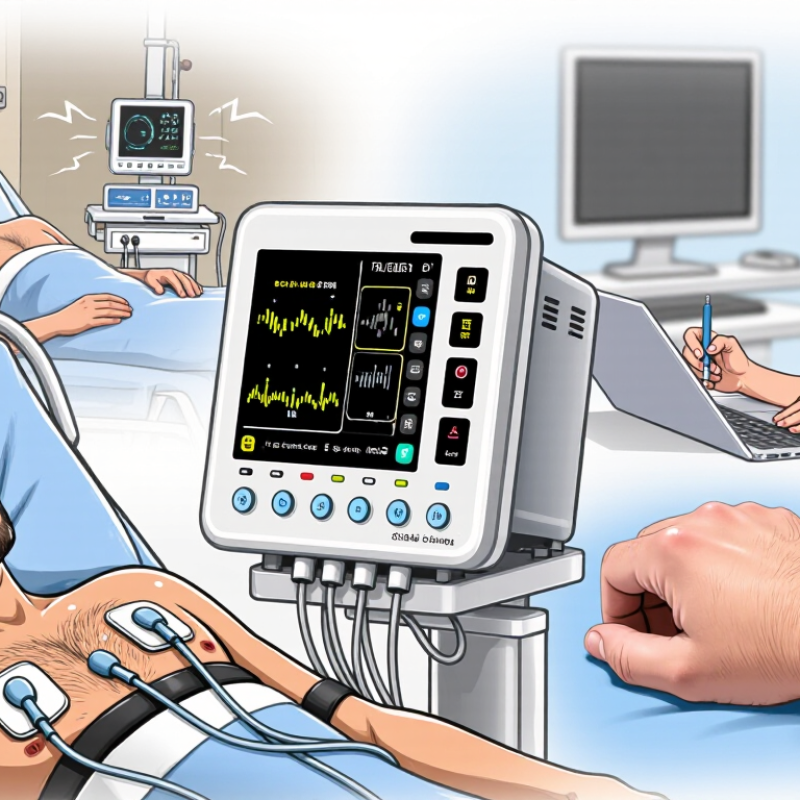
What Causes Inaccurate Readings on a Heart Monitor?

How Heart Monitors Measure Heart Activity

A heart monitor does not “watch” the heart directly. It detects electrical activity produced when heart muscle cells contract. In an electrocardiogram, small electrodes placed on the skin capture voltage changes. The monitor amplifies these signals and displays waves linked with atrial and ventricular activity. Each wave has meaning, but interpretation depends on timing, shape, and the patient’s symptoms.

Some wearable monitors use light instead. They estimate pulse by tracking blood volume changes in tiny vessels beneath the skin. This method can work well at rest, but movement, loose placement, cold fingers, sweat, or darker surroundings may disturb the signal. Small details matter. A loose electrode can create jagged lines. Muscle tension can imitate an irregular rhythm. Electrical interference may add extra spikes.

An inaccurate reading does not always mean a faulty heart. It may reflect poor skin contact, dried gel, body motion, or an incorrect sensor position. I have learned that a quiet, steady measurement is often more useful than a rushed one, though this is not a perfect rule. Not a diagnosis. Persistent alerts, chest pain, fainting, severe breathlessness, or a fast and irregular pulse require prompt medical attention. A trained professional should compare the monitor’s data with symptoms, medical history, and, when needed, a clinical ECG.

Common Technical Causes of Inaccurate Readings

What Causes Inaccurate Readings on a Heart Monitor?

Common Technical Causes of Inaccurate Readings

A heart monitor may display an incorrect reading when its sensors lose steady contact with the skin. Sweat, body lotion, hair, or dried skin can weaken the connection. A loose electrode may create sharp spikes, missing beats, or an unstable waveform. Even small movements can cause noise. Shivering, coughing, and talking may briefly distort the signal.

Cable problems also matter. A bent wire, damaged connector, or poorly fitted lead can interrupt data. Low battery power may affect portable monitoring equipment. Wireless interference from nearby electronics can add irregular patterns. The device may also need calibration or software maintenance. It is easy to blame the monitor. That assumption can be wrong. Poor skin preparation is often the simpler cause.

A careful check should begin with the patient’s condition and the displayed waveform. A trained clinician can inspect each electrode, replace loose pads, and reposition the leads. Comparing the reading with the patient’s pulse, breathing, and symptoms provides useful context. One number should not stand alone. If an unusual result continues after technical checks, professional evaluation is important. Do not silence an alarm without understanding why it appeared. Yet alarms can also be overly sensitive, especially during movement. That balance deserves attention.

Patient-Related Factors That Affect Monitor Accuracy

Patient-related factors can make a heart monitor appear unreliable. A 2017 American Heart Association scientific statement cited studies showing that up to 90% of clinical alarms were nonactionable. Motion is clinical noise. When a patient turns, coughs, or trembles, the ECG trace may show false pauses or irregular beats. Loose electrodes, oily skin, sweat, and chest hair can weaken electrical contact. Shivering can create dense, jagged interference that resembles rapid atrial activity.

Perfusion and skin characteristics also influence monitoring. Cold hands, low blood pressure, and vasoconstriction may reduce pulse signals. A 2020 New England Journal of Medicine study found occult hypoxemia in 3.6% of self-identified Black patients, compared with 1.7% of White patients, despite similar pulse-oximeter readings. This finding highlights a serious limitation in optical monitoring. Skin tone, sensor position, and poor circulation may affect displayed oxygen values. The number is concerning, but it does not explain every individual reading.

Patient behavior and clinical context matter too. Talking, deep breathing, pain, and anxiety can alter heart rate temporarily. A patient may also remove a sensor without realizing it. Staff should inspect the waveform, electrode contact, skin condition, and recent movement before interpreting a sudden change. Comparing the displayed rhythm with the patient’s pulse remains practical. Still, that advice is imperfect. Electrode placement can look correct while contact remains poor. Careful documentation of position, symptoms, and signal quality supports safer clinical judgment.

How Movement and Environmental Interference Distort Results

What Causes Inaccurate Readings on a Heart Monitor?

Movement is one of the most common causes of distorted heart monitor results. Walking, shivering, coughing, or shifting in bed can create electrical signals that resemble abnormal heart activity. Tight muscles may produce similar interference. Even a small arm movement can make the tracing look uneven or unusually fast.

In practice, clinicians check whether the waveform changes during movement. They also inspect the sensor sites and cable connections. Loose sensors, sweaty skin, body hair, or dried gel can weaken the signal. A patient who speaks, clenches a fist, or adjusts clothing may briefly affect the reading. The monitor records electricity, not the reason behind it. That distinction matters.

The surrounding environment can interfere too. Nearby electrical equipment, damaged power cords, and poor grounding may introduce regular waves or noise. Strong electromagnetic sources can also affect sensitive monitoring equipment, depending on the setting. Keeping cables separated and checking the power supply often helps. Still, these steps are not perfect. A clean-looking tracing can sometimes hide a technical problem, while a messy tracing may reflect harmless movement. Suspicious readings should be compared with symptoms, the patient’s condition, and a repeat recording by trained healthcare staff.

Ways to Check and Improve Heart Monitor Readings

An inaccurate heart-monitor reading often begins with a simple setup problem. Movement, loose contact, dry skin, sweat, body hair, or a weak battery can distort the signal. Electrical devices nearby may also create noise. A number that changes suddenly deserves a second check, not immediate trust. Small errors matter.

Before measuring, sit quietly for five minutes and warm cold hands. Follow the device instructions closely, placing sensors exactly where directed. Clean and dry the contact points. Do not press or tighten them excessively. Keep your arm supported and avoid talking, shivering, or measuring immediately after exercise. Take two readings one minute apart. If they differ widely, wait and repeat them. When the monitor shows pulse rate, compare it with your manually counted pulse for 30 seconds, then double it. This comparison is not perfect, but it can reveal an obvious mismatch. Record the time, symptoms, activity, and readings in a simple log. Patterns are more useful than one isolated number.

Check the battery, cables, and sensor surfaces regularly. Replace damaged parts according to the instructions. Keep the monitor within its recommended temperature and storage conditions. Home readings should not replace professional assessment. Ask a qualified clinician to review repeated unusual results, especially with dizziness, fainting, chest discomfort, breathing difficulty, or a persistently irregular pulse. Seek urgent medical help for severe or sudden symptoms. Rechecking constantly may increase anxiety and create more confusion, so a calm, consistent routine is usually more reliable.

FAQS

Why can movement make a heart monitor look inaccurate?

Movement creates noise. Turning, coughing, shivering, or clenching muscles may resemble irregular beats. The monitor records electrical signals, not movement causes.

How can poor sensor contact distort a reading?

Loose electrodes, sweat, oily skin, chest hair, or dried gel can weaken contact. Check the skin, sensor position, and cable connection.

Can cold hands affect oxygen readings?

Cold hands, low blood pressure, and poor circulation may reduce pulse signals. Warm the hand gently and repeat the measurement calmly.

Can skin characteristics influence optical monitoring?

Yes. Skin tone, sensor position, and circulation may affect displayed oxygen values. A concerning reading deserves professional review, not quick dismissal.

What environmental problems can interfere with monitoring?

Nearby electrical equipment, damaged cords, or poor grounding may create repeated waves. Separate cables and check the power supply when readings look unusual.

How should someone prepare for a more reliable home reading?

Sit quietly for five minutes. Keep the arm supported, clean and dry the contact points, and avoid talking or shivering.

What should I do when two readings differ widely?

Wait briefly and repeat the measurement. Record the time, symptoms, activity, and results. One number can mislead.

Should a displayed pulse be compared with a manually counted pulse?

Yes, when practical. Count beats for 30 seconds and double the number. This comparison is imperfect, but it may reveal an obvious mismatch.

When should unusual monitor results receive medical attention?

Contact a qualified clinician about repeated unusual readings. Seek urgent help for severe dizziness, fainting, chest discomfort, breathing difficulty, or sudden symptoms.

Can repeated checking make the situation more confusing?

It can increase anxiety and produce inconsistent results. Use a calm, consistent routine. Still, no home check is flawless.

Conclusion

Understanding what causes inaccurate readings on a heart monitor begins with knowing how these devices detect and display the heart’s electrical activity or pulse. Although monitors are designed to provide useful information, technical problems such as loose sensors, poor electrode contact, low battery power, damaged cables, or incorrect settings can affect the results. A monitor may also show unreliable readings when the device is positioned incorrectly or has not been maintained properly.

Patient-related factors can create additional variation. Movement, muscle tension, sweating, cold skin, irregular breathing, and changes in circulation may interfere with signal detection. Electrical equipment, wireless signals, and other environmental sources can also introduce noise. To improve accuracy, the user should follow placement instructions, remain still during measurements, check connections and power levels, and repeat questionable readings under calm conditions. If unusual results continue or are accompanied by symptoms such as chest discomfort, faintness, or severe shortness of breath, professional medical evaluation is important.

Madeline

Madeline

Madeline is a dedicated marketing professional with a wealth of expertise in our company's core offerings. With a keen understanding of the industry, she brings a unique perspective to her role, consistently delivering high-quality content that highlights the superior aspects of our products. As......