MaxPro Medical
Battery life is a crucial aspect of wearable heart monitors. These devices are becoming increasingly popular for fitness tracking and health monitoring. However, many users often find themselves questioning what affects the battery life of a wearable heart monitor. Understanding this can help users make informed choices and maximize their device's potential.
Several factors influence battery performance. These include the device's usage frequency, display brightness, and connectivity options. For instance, constant Bluetooth usage can drain the battery faster. Also, the heart monitor's design and materials can play a significant role. Lightweight materials may improve comfort but might compromise battery efficiency. Users often overlook these aspects.
It's essential to recognize that not all wearables are created equal. Some may boast longer battery life, while others may fall short. Users should evaluate their needs and consider the trade-offs. This awareness can lead to better satisfaction with their devices. As the technology evolves, users must stay informed about the factors impacting battery longevity.
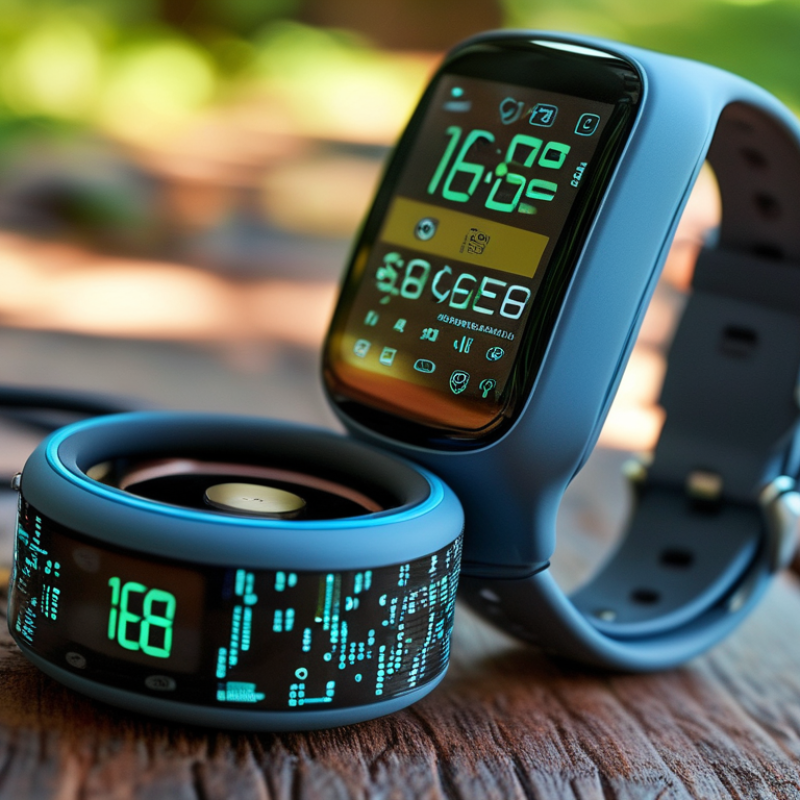
The battery technology used in wearable heart monitors is crucial. Lithium-ion batteries dominate this market. They are lightweight and offer high energy density. Reports suggest that these batteries can have a capacity ranging from 150 mAh to 250 mAh. This varies by device and user requirements.
The lifespan of these batteries depends on several factors, including charging cycles. Studies indicate that frequent charging can reduce battery life. After about 500 cycles, batteries may significantly lose their capacity. Furthermore, temperature can affect performance. Extreme temperatures cause batteries to degrade faster than usual. Ideal operating temperatures tend to be between 20°C to 25°C.
Another aspect is the usage patterns of the monitors. Continuous monitoring drains the battery quicker. Research shows that heart monitors utilizing advanced sensors can consume 20% more power. This emphasizes the importance of balancing functionality with battery efficiency. Developing optimized algorithms for data processing could lead to enhanced battery life. The field is evolving, and more innovation is required to improve the sustainability and usability of these devices.
The usage patterns of wearable heart monitors significantly influence their battery performance. Different users engage with these devices in various ways, which affects how quickly the battery drains. For instance, frequent monitoring during workouts or daily activities can lead to higher energy consumption. More alerts and notifications also contribute to quicker battery depletion.
People often forget to charge their devices regularly, thinking they can last longer. This oversight can create frustration when the monitor dies unexpectedly. Additionally, users may not realize that certain features, like GPS tracking or continuous heart rate monitoring, require more power. Even light settings and display brightness can impact overall battery life.
Finding a balance between functionality and battery conservation is critical. Some users may need to sacrifice features for longevity, while others may prefer the full suite of capabilities. Regularly checking battery status can provide insights into consumption patterns, helping users understand their usage habits better.
Environmental factors play a crucial role in the battery life of wearable heart monitors. Temperature is one of the most significant influences. Extreme cold can reduce battery efficiency by up to 20%. Likewise, high temperatures can accelerate battery wear. According to research by the Battery University, optimal operating conditions range between 20°C and 25°C (68°F to 77°F). Deviating from this range may lead to unpredictability in battery performance.
Humidity is another critical factor. High humidity can cause battery corrosion. This can affect the monitor's overall lifespan. A study published in the Journal of Power Sources found that moisture levels above 75% significantly shorten lithium-ion battery life. Additionally, exposure to moisture can result in erratic readings during workouts.
Usage patterns also intersect with environmental factors. For instance, frequent use in high-stress situations, like intense workouts or outdoor activities, can drain the battery faster. Heart monitors often engage more sensors under stress, leading to increased energy consumption. According to a report from the International Journal of Wearable Technology, users can experience a 15% reduction in battery life during intense exercise. Understanding these environmental impacts helps users better manage their devices.
Software updates play a critical role in the battery life of wearable heart monitors. Each update can enhance performance. However, frequent updates might drain battery life if not optimized correctly. Many users notice that their devices consume more power after updating. This can be frustrating, especially when trying to track workouts or monitor health metrics.
Optimization is key. Software should be fine-tuned to minimize battery drain. Some updates improve features while adding unnecessary background processes. Users often find it hard to gauge which updates are beneficial. On occasion, they may even seek older software versions to regain lost performance. Monitoring the impact of each update is vital.
A balanced approach is necessary. Developers need to prioritize battery efficiency while adding new features. Users should be proactive. They can provide feedback on updates that affect battery life negatively. This dialogue helps in creating better, more reliable devices. Ultimately, the goal is to enhance user experience without compromising battery longevity.
When designing wearable heart monitors, various factors can significantly impact battery capacity. One key consideration is the device's form factor. Smaller devices tend to have limited battery space, which restricts capacity. According to recent industry reports, compact designs might reduce battery life by up to 30%. Therefore, manufacturers must balance size and functionality.
Another vital aspect is the choice of materials used in the device. Lighter materials may enhance comfort but can negatively affect energy density. Research indicates that lithium-polymer batteries can offer a 40% increase in capacity compared to traditional options. However, the trade-off is often a higher manufacturing cost.
Power management technology also plays a crucial role. Efficient algorithms can optimize energy use. The latest studies suggest that implementing adaptive sampling rates can extend battery life by 25%. Nonetheless, achieving an ideal balance between performance and battery longevity remains a continuing challenge for designers. It is essential to keep refining these technologies to meet user demands effectively.
: Usage patterns, like frequent monitoring, can significantly increase battery drain.
Features like GPS tracking and continuous heart rate monitoring require substantial power.
Users often forget to charge their devices, leading to frustration when they die.
Extreme cold can reduce battery efficiency by up to 20%, and high temperatures can speed up wear.
The best temperature range is between 20°C and 25°C (68°F to 77°F).
High humidity can lead to battery corrosion, negatively impacting the monitor's lifespan.
Yes, during stress, more sensors engage, causing a 15% reduction in battery life.
Regularly checking your battery status helps you understand usage patterns better.
Yes, some users may need to choose between functionality and longer battery life.
Exposure to moisture can result in erratic readings during workouts, disrupting performance.
Understanding what affects the battery life of a wearable heart monitor is crucial for users seeking reliable performance. Several key factors play a significant role in battery longevity. First, the battery technology utilized in these devices determines their energy efficiency and lifespan. Additionally, how users interact with the device—such as exercise intensity and frequency—can significantly impact battery drain. Environmental conditions, including temperature and humidity, also influence overall battery performance.
Moreover, regular software updates and optimizations can enhance battery life by improving system efficiency. Lastly, the design of the wearable device itself contributes to battery capacity; compact designs may limit battery size, impacting duration. By acknowledging these aspects, users can make informed choices to maximize the performance of their heart monitors.
