You wash your hands, dry them, insert a fresh strip, and test again. The numbers still differ. If you have wondered, “why does my blood glucose monitor show different results back to back,” you are not alone. A home meter measures a tiny drop of blood, and small changes in sampling, timing, or technique can affect the result. Blood glucose can also shift naturally, especially around meals, exercise, stress, or medication.
Small differences happen. They do not automatically mean your meter is broken. Diabetes technology expert Dr. David C. Klonoff’s work on glucose-monitor performance supports this practical takeaway, stated here as a paraphrase rather than a direct quotation: “A meter reading is an estimate, not a perfect snapshot.” That distinction matters. A fingertip may carry traces of fruit, lotion, or soap; a strip may be expired, damp, or stored in heat. Even a small drop of blood can produce a different result from the next one.
This guide explains how to check your technique, strips, and meter before reacting to an unexpected number. It also covers when a reading deserves a repeat test and when to contact your healthcare professional. Compare results with how you feel, not just with each other. If symptoms seem severe or do not match the displayed number, seek medical guidance promptly. Home testing has limits, and it is reasonable to pause and review the details.
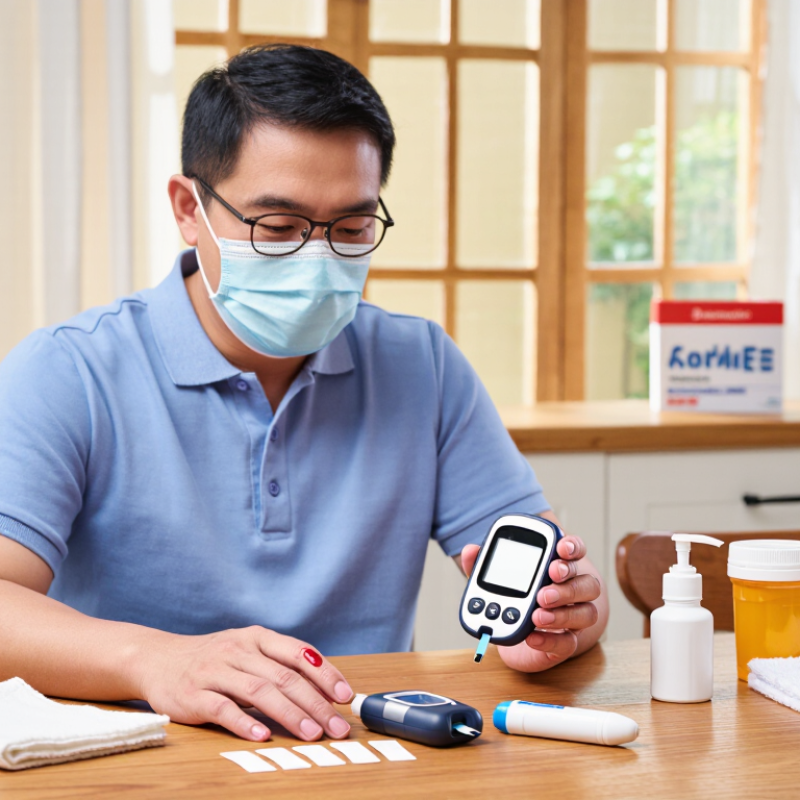
Why Consecutive Blood Glucose Readings Can Differ
How to Fix Different Blood Glucose Readings Back to Back
Two blood glucose readings taken minutes apart may not match exactly. That does not automatically mean the meter is faulty. Glucose can shift after eating, exercise, stress, or changes in medication, and a finger-stick reading reflects one moment in time.
Small testing details matter. Food or lotion on your fingers can affect a sample, so wash and dry your hands before testing. Use a fresh strip and follow the meter’s instructions. Squeezing your fingertip hard may also change the sample. Home meters have some measurement variability, even when used correctly. That matters. A few points of difference may occur without a meaningful change in your health.
For a clearer comparison, test again with clean, dry hands and a new strip. Check that strips are stored as directed and have not expired. If readings remain very different, write down the numbers, times, meals, and symptoms, then discuss the pattern with your healthcare professional. It is easy to blame the device too quickly. If a reading conflicts with how you feel, or falls outside your care plan, follow your clinician’s instructions rather than relying on repeated tests alone.
Check Your Meter, Sensor, and Testing Supplies
Different blood glucose readings can be unsettling, especially when they appear minutes apart. Check your meter technique before assuming the device is faulty. Wash your hands with soap and water, then dry them completely; fruit or lotion residue can affect a finger-stick result. Use a fresh test strip that is within its expiration date, and keep strips sealed and stored as directed. Dampness, heat, or a bent strip may cause trouble. Small details matter.
If readings still seem unusual, inspect the meter and supplies. Check the battery, look for dirt around the strip port, and use control solution only as directed in the meter instructions. A continuous glucose sensor measures glucose in fluid under the skin, so its reading may lag behind a finger-stick value, especially after a meal or exercise. Pressure on a sensor during sleep can also produce an unexpectedly low reading. If the result does not match how you feel, follow your device instructions for confirmation with a meter, and use clean hands and a new strip. Don’t calibrate a sensor unless its instructions call for it. I have found it easy to blame the device too quickly; the cause is not always obvious. If symptoms are severe or readings remain inconsistent, contact a health professional and follow your care plan.
How to Fix Different Blood Glucose Readings Back to Back - Check Your Meter, Sensor, and Testing Supplies
| What you notice |
Possible reason |
What to check or do |
| Two finger-stick readings differ when taken close together |
Blood glucose can change over a short period. Differences can also come from testing technique or normal meter variation. |
Wash hands with soap and water and dry completely. Use a fresh strip and a new drop of blood; avoid squeezing the finger excessively. Follow the meter instructions. |
| A sensor reading does not match a finger-stick reading |
A continuous glucose monitor measures glucose in interstitial fluid, which can lag behind blood glucose, especially when glucose is changing quickly. |
Check the sensor trend and direction arrow. If symptoms do not match the sensor reading or the reading seems unexpected, confirm with a meter as directed by the sensor instructions and your care plan. |
| Readings seem unexpectedly high after handling food or fruit |
Small amounts of sugar on fingers can contaminate a blood sample, even if the hands do not look dirty. |
Wash and thoroughly dry your hands before testing. If you used alcohol, let the skin dry fully before lancing. |
| Results vary after opening a new container of strips or using older strips |
Strips may be expired, damaged by heat or moisture, or incompatible with the meter. |
Check the expiration date and meter compatibility. Keep strips in their original container, close it promptly, and store them within the temperature range in the instructions. |
| A meter gives an error or results remain inconsistent with fresh strips |
The meter or strips may not be working as expected, or the meter may need cleaning or a performance check. |
Check the manual, clean the meter as instructed, and use control solution if recommended. Contact the meter or strip support service if errors continue. |
| A reading from an alternate-site test differs from a fingertip test |
Some alternate sites may show glucose changes later than a fingertip, particularly after meals, exercise, insulin, or when glucose is changing rapidly. |
Use a fingertip sample when glucose may be changing quickly or when symptoms and readings do not agree. Follow the meter instructions for approved testing sites. |
| The reading is very low or high, or does not match how you feel |
A faulty or contaminated result is possible, but a genuine glucose problem also needs to be considered. |
If safe to do so, promptly recheck with a clean fingertip and a fresh strip. Follow your clinician-provided treatment plan. Seek urgent medical help for severe symptoms, confusion, fainting, or inability to safely treat yourself. |
Readings from different devices or methods may not be identical. Follow the instructions for your meter or sensor and your personal care plan; do not delay urgent care when severe symptoms occur.
Repeat the Test Using Consistent, Clean-Hand Technique
When two blood glucose readings differ, start by checking your hands. Even a trace of fruit, lotion, or food can affect a drop of blood. Wash with soap and warm water, then dry your hands completely with a clean towel. Small details matter.
Use a fresh test strip and follow your meter’s instructions. Check that the strip is in date and stored as directed. Use the same meter, and test from a fingertip using a similar technique. A cold hand may yield a smaller drop, while squeezing hard can mix tissue fluid with the sample. If your hands are cold, warm them gently first. It is easy to rush this step.
If the results still differ, wash and dry your hands again and repeat once with a new strip. Note the readings and the time, rather than testing repeatedly until one number feels right. Glucose can change naturally, and home meters have some measurement variation. Don’t change medication based on one unexpected result. If readings remain inconsistent, or do not match how you feel, contact your healthcare professional and follow your care plan. Seek urgent help for severe symptoms.
How to Fix Different Blood Glucose Readings Back to Back
Repeat the test using a consistent, clean-hand technique.
This hypothetical example shows an initial reading followed by two readings taken after washing and thoroughly drying hands. The numbers are illustrative, not a prediction or diagnosis. Follow your meter’s instructions, and contact a healthcare professional if readings remain unexpected.
Compare Results With Symptoms and Expected Glucose Patterns
How to Fix Different Blood Glucose Readings Back to Back
Compare each reading with how you feel and with the pattern expected at that time. A small difference does not automatically mean one result is wrong. ISO 15197:2013 allows 95% of meter results to fall within ±15 mg/dL of a laboratory reference below 100 mg/dL, or within ±15% at or above 100 mg/dL. Small differences happen. Wash and dry your hands, use an in-date strip, and repeat the test with a fresh strip. Food residue or damp fingers can distort a result. Note the time, recent food, activity, and symptoms; a single number lacks that context.
Timing matters. Glucose commonly rises after eating, so a reading soon after a meal may differ from one taken later. The American Diabetes Association’s Standards of Care in Diabetes—2025 gives many nonpregnant adults with diabetes a typical peak post-meal goal below 180 mg/dL, measured one to two hours after meals begin; individual targets vary. Compare readings taken at similar times, rather than treating every fluctuation as unexpected. If a number conflicts with symptoms, repeat the check and follow your clinician’s instructions. Confusion, fainting, or severe symptoms warrant urgent medical help, even when a meter reading seems reassuring. I’d be cautious about blaming every mismatch on the device; timing and the body’s changing glucose can be easy to overlook.
Know When to Contact a Healthcare Professional
How to Fix Different Blood Glucose Readings Back to Back
Different readings minutes apart can be unsettling, but one number alone may not tell the full story. Wash and dry your hands, use a fresh test strip, and repeat the test. Food residue, damp fingers, or a sample that is too small can affect results. If readings still conflict with how you feel, do not dismiss your symptoms. A glucose log can help, though keeping one is easy to postpone.
Contact your healthcare professional when unexpected differences keep happening, or readings repeatedly fall outside your personal target range. The American Diabetes Association’s 2025 Standards of Care classify glucose below 70 mg/dL as low and below 54 mg/dL as a more serious level. Repeated lows, especially overnight, deserve prompt clinical advice. So do persistent highs, particularly during illness or when your treatment plan is not bringing them down. Ask your clinician what readings should trigger a call for you.
Get urgent medical help for severe confusion, fainting, or a low reading that leaves you unable to treat yourself. Do not wait. The CDC advises people with diabetes to check for ketones when sick or when glucose is 250 mg/dL or higher; high ketones need immediate medical attention. Vomiting, abdominal pain, deep or rapid breathing, or unusual drowsiness can signal a medical emergency. Bring your meter, medication list, and recent readings when seeking care; small details may clarify what is happening.
FAQS
Food residue, damp fingers, or a small blood sample can affect a result. Glucose can also change naturally. Small details matter.
Wash with soap and water, then dry your hands completely. Use the same meter and a fresh, unexpired strip. Follow the meter instructions.
Check the meter battery and strip port for dirt. Make sure strips were stored as directed. Use control solution only as instructed.
Yes. A sensor measures glucose in fluid under the skin, so readings may lag after meals or exercise. Pressure during sleep can also cause an unexpectedly low reading.
No. After washing and drying your hands, repeat once with a new strip. Note the result and time. I can be quick to blame the meter, but the cause is not always obvious.
Call if unexpected differences keep happening, readings repeatedly fall outside your personal target range, or results do not match how you feel. Ask what readings should prompt a call for you.
A reading below 70 mg/dL is considered low; below 54 mg/dL is more serious. Repeated lows, especially overnight, deserve prompt clinical advice.
Seek urgent help for severe confusion, fainting, or a low reading that leaves you unable to treat yourself. Do not wait. Vomiting, abdominal pain, rapid or deep breathing, and unusual drowsiness can also signal an emergency.
Conclusion
When consecutive blood glucose readings differ, it does not always mean that one result is wrong. Small changes can occur because glucose levels shift over time, while meter or sensor accuracy, test-strip condition, sample size, and testing technique can also affect results. If you wonder, “why does my blood glucose monitor show different results back to back,” first check that your device is being used according to its instructions and that supplies are clean, suitable, and not expired.
For a useful recheck, wash and dry your hands, use a fresh testing supply, and follow the same procedure each time. Consider the readings alongside how you feel, when you last ate, and your usual glucose patterns rather than relying on a single number. If results remain far apart, do not match your symptoms, or fall outside the guidance provided by your care team, contact a healthcare professional for advice. Seek urgent help for severe symptoms or a reading your care plan identifies as an emergency.
 MaxPro Medical
