Understanding how to tell if a blood pressure monitor is accurate is essential for maintaining health. Dr. Emily Parker, a leading cardiologist, emphasizes, "An accurate monitor can make all the difference in diagnosis." Many people rely on these devices to manage their blood pressure at home. Yet, many are unaware of how to assess their accuracy.
Blood pressure monitors can vary in precision. There's a risk of false readings if they are not calibrated correctly. This can lead to unnecessary anxiety or complacency, impacting treatment. Knowing how to tell if a blood pressure monitor is accurate ensures that individuals can trust their measurements. Factors such as cuff size, placement, and device type play crucial roles.
In a world where health information is abundant, discerning reliable tools is vital. Not all monitors are created equal. Some may provide misleading results, leading to poor health choices. Awareness of accuracy allows individuals to take charge of their health decisions more effectively. Without this knowledge, one might overlook significant health issues.
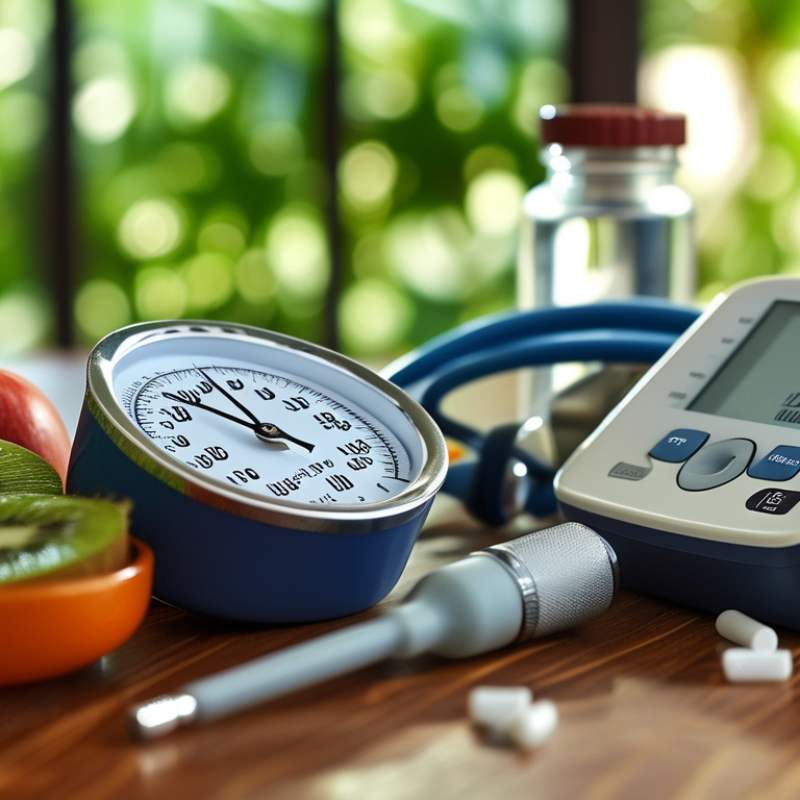
The Significance of Accurate Blood Pressure Monitoring
Accurate blood pressure monitoring is crucial for understanding your health status.
High or low blood pressure can lead to serious conditions, like heart disease or stroke. Having a reliable monitor allows for consistent tracking of your blood pressure over time.
Small inaccuracies can lead to significant misinterpretations of your health situation. It’s essential to know the signs of an accurate monitor so you can make informed decisions.
Tips for checking accuracy include comparing results with a healthcare professional's device. This comparison can reveal discrepancies in readings.
Regular calibration of your home monitor is also important. Look for changes in readings as you adjust your lifestyle, like diet or exercise.
A sudden alteration might indicate that your monitor is malfunctioning.
Besides technical accuracy, the technique matters. Ensure the cuff fits well. A cuff that's too loose or too tight can distort results.
Sit calmly for a few minutes before taking a measurement. This allows your body to relax, promoting a better reading.
Sometimes, it’s easy to overlook these details, but they are vital for reliable monitoring.
Remember, every reading counts in your health journey.
Understanding Blood Pressure Monitor Calibration
Accurate blood pressure readings are crucial for monitoring cardiovascular health. Many people rely on home blood pressure monitors. However, improper calibration can lead to erroneous readings. According to a study published in the Journal of Hypertension, up to 30% of home devices may provide inaccurate results due to calibration issues. This highlights the importance of understanding how to check the accuracy of these devices.
Calibration typically involves comparing the home monitor against a clinically validated device. Medical guidelines recommend annual calibration checks for individuals using monitors regularly. A systematic review in the American Heart Association journal found that only 50% of participants routinely calibrated their devices. This lack of attention can result in a false sense of security or unnecessary anxiety, affecting treatment decisions.
People often underestimate the impact of a poorly calibrated monitor. Even small discrepancies can lead to significant misdiagnoses. For instance, consistently high readings could prompt unnecessary medication changes. It's essential to be aware of your monitor's accuracy and ensure it is reliable. Continuing education about calibration may bridge this gap, fostering better health outcomes.
Key Features of Reliable Blood Pressure Monitors
When it comes to monitoring blood pressure, accuracy is crucial. According to the American Heart Association, about 1 in 3 adults have high blood pressure, often without knowing it. An inaccurate monitor can lead to significant health risks, including undiagnosed hypertension. Thus, understanding key features of reliable blood pressure monitors is essential for personal health management.
Reliable blood pressure monitors typically offer features like automatic inflation and digital displays for clarity. A study published in the Journal of Clinical Hypertension emphasizes that validated devices should be used, which have undergone rigorous testing. Many devices claim to be accurate but might not be validated for reliability. Checking for such certifications can protect users from misleading data.
Consistency is another important aspect. A reliable monitor should provide similar readings over time. The accuracy may vary between users and equipment. Factors like cuff size and placement influence measurements. Awareness of these variables helps in selecting a suitable device. Individuals may face challenges in understanding these nuances, leading to potential mismanagement of their health.
Why Is It Important to Know How to Tell if a Blood Pressure Monitor Is Accurate? - Key Features of Reliable Blood Pressure Monitors
| Feature |
Description |
Importance |
| Validation Certification |
Certification from organizations like the American Heart Association (AHA) or European Society of Hypertension (ESH). |
Ensures that the monitor meets specific accuracy standards. |
| Cuff Size |
Different sizes of cuffs are available for various arm circumferences. |
A properly fitting cuff is critical for accurate readings. |
| Automatic Inflation |
Monitors that automatically inflate to measure blood pressure. |
Provides consistent readings with minimal user error. |
| Multiple Readings |
Ability to take multiple readings and average them. |
Increases the reliability of the readings. |
| Display and Readability |
Clear digital display showing systolic and diastolic pressure along with heart rate. |
Facilitates easy reading for users. |
Common Factors Affecting Blood Pressure Readings
Blood pressure readings can vary significantly due to several factors. Understanding these factors helps ensure accurate monitoring. One common issue is the position of the arm during measurement. If the arm is too high or low compared to the heart, readings can be misleading. It is crucial to sit up straight with the arm at heart level for consistency in results.
Another factor is the way the cuff is applied. A cuff that’s too tight or too loose will yield incorrect readings. The right cuff size is essential for proper fit. Additionally, if the cuff is not placed on bare skin, clothing can interfere with measurements. Lastly, emotions and physical activity leading up to a reading can influence blood pressure. Stress, for instance, can cause temporary spikes.
It is worth noting that even when all precautions are taken, small discrepancies may still arise. Calibration of the device is essential but often overlooked. Periodic checks against a healthcare professional’s device can reveal inaccuracies. Monitoring regularly and understanding these nuances can enhance awareness and management of blood pressure health.
Steps to Verify the Accuracy of Your Blood Pressure Monitor
When it comes to managing health, an accurate blood pressure monitor is essential. Knowing how to verify its accuracy can help prevent misdiagnosis and unnecessary treatments. One effective way to check accuracy is to compare readings with those taken by a medical professional. Schedule a visit to your physician, bringing your monitor along. This side-by-side check can unveil inconsistencies.
Another step involves calibration. Many monitors require calibration periodically to maintain precision. Follow the manufacturer's instructions to determine how often this should be done. If you notice discrepancies, it may be time for professional recalibration. Additionally, ensure that your arm is positioned correctly during each reading. This detail is crucial as improper placement can lead to skewed results.
Finally, consider your own technique and mindset. Taking your blood pressure at the same time each day can yield more consistent results. Yet, do not dismiss the influence of stress or caffeine prior to measurements. These factors can distort readings, leading to frustration. Recognizing these elements can improve the reliability of your monitor and enhance your overall health management.
FAQS
: Accurate monitoring helps understand health status. High or low pressure can lead to serious conditions.
Compare it with a healthcare professional's device for discrepancies in readings.
It is recommended to calibrate your monitor annually if used regularly.
Factors like arm position, cuff fitting, and clothing can all alter results.
It might indicate a malfunction. Check the monitor's accuracy and consult a professional.
A loose or tight cuff can distort results. Proper technique ensures reliable readings.
Stress or physical activity can lead to temporary spikes in blood pressure.
It can cause misdiagnoses, leading to unnecessary medication changes or anxiety.
Yes, studies show up to 30% may provide incorrect results due to calibration issues.
Changes in diet or exercise can affect readings. Monitor adjustments may be necessary.
Conclusion
Knowing how to tell if a blood pressure monitor is accurate is crucial for effective health management. Accurate blood pressure readings help in diagnosing conditions, monitoring health changes, and preventing complications associated with hypertension. The calibration of blood pressure monitors plays a vital role in their reliability, as incorrect calibration can lead to misleading results.
Furthermore, certain key features distinguish reliable blood pressure monitors, such as validation from health organizations and consistency in readings. It’s also important to be aware of common factors that can affect blood pressure readings, including posture, time of day, and recent physical activity. To ensure your device’s accuracy, regularly verify its readings against those taken by a healthcare professional, follow the manufacturer’s instructions for use, and conduct periodic self-checks. By understanding these aspects, individuals can better manage their cardiovascular health.
 MaxPro Medical
