MaxPro Medical MaxPro Medical

Can You Use a Pulse Oximeter While Exercising for Better Health?

Time:2026-09-05 Author:Mason
0%

Exercise plays a vital role in maintaining good health. Many people seek ways to maximize their workouts. A common question arises: can you use a pulse oximeter while exercising? This device, designed to measure blood oxygen levels, can offer insights into your cardiovascular health during physical activity.

While using a pulse oximeter during exercise may provide valuable data, there are challenges. Movement can affect the accuracy of readings. You may need to adjust the placement of the device frequently. Also, discomfort can occur if the device is not secured properly. These factors can make it hard to trust the readings.

Despite these issues, pulse oximeters can enhance your exercise routine. Monitoring oxygen levels helps you understand your body's response to exertion. This knowledge can lead to smarter training decisions. It is essential to weigh the pros and cons before incorporating a pulse oximeter. Overall, it offers potential benefits if used correctly.
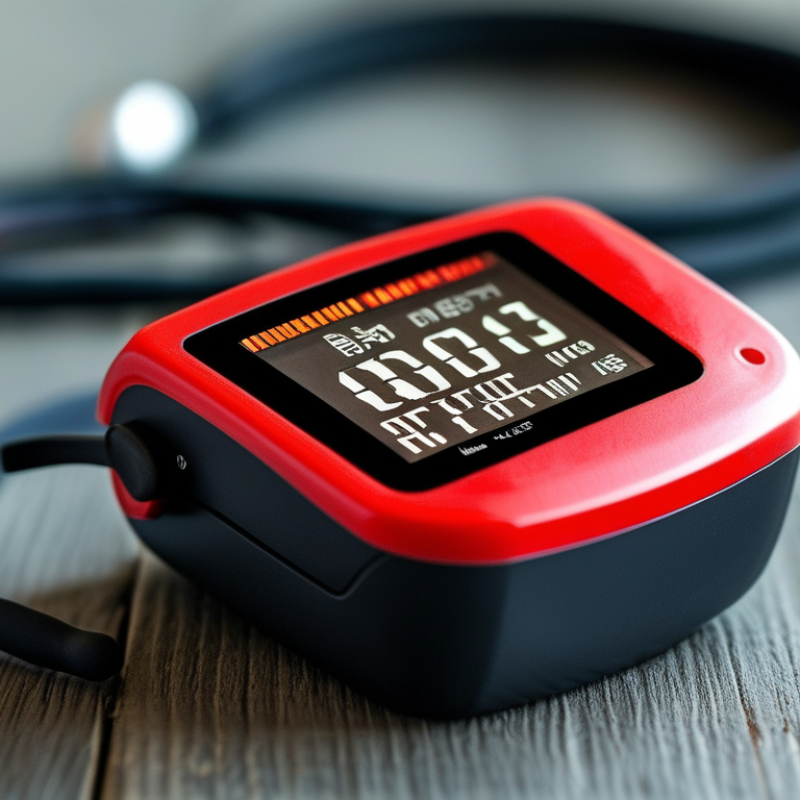
Can You Use a Pulse Oximeter While Exercising for Better Health?

The Importance of Monitoring Oxygen Levels During Exercise

Monitoring oxygen levels during exercise can greatly enhance your workout efficiency. Pulse oximeters provide real-time data on blood oxygen saturation, allowing users to adjust intensity based on their oxygen levels. According to a report by the American College of Sports Medicine, maintaining adequate oxygen saturation during intense activities is crucial for performance and recovery.

Research suggests that a saturation level below 90% can hinder muscle function and increase fatigue. Many athletes find that using a pulse oximeter helps them avoid overexertion, especially at high altitudes. This tool can act as a safeguard, preventing potential health risks associated with low oxygen levels. Athletes who incorporated this monitoring reported improved endurance and greater control over their workouts.

However, it's important to note that not all exercises may require such close monitoring. Some users might find themselves reliant on the readings, leading to unnecessary anxiety. Being aware of one’s body and its cues is equally vital. A balance between technology and personal intuition can enhance the workout experience without leading to over-dependence on devices.

Understanding How Pulse Oximeters Work in Physical Activity

Pulse oximeters are valuable tools for monitoring oxygen saturation during exercise. Understanding how they work can enhance your physical activity. These devices measure the percentage of oxygen in your blood. Typically, a healthy reading ranges from 95% to 100%. However, during intense exercise, many individuals experience drops below this level, signaling the need for proper oxygen supply.

Research indicates that some athletes may become hyperventilated, leading to inaccurate readings. A study published in the Journal of Sports Science highlighted that approximately 30% of athletes exhibit fluctuations in oxygen saturation. This can mislead users about their physical condition. It is essential to remember that while pulse oximeters can provide insights, they are not replacements for medical advice or professional assessments.

Using a pulse oximeter while exercising can encourage a safer workout. It helps individuals gauge their exertion levels. If readings fall below 90%, this could indicate potential respiratory distress. Checking your oxygen saturation can foster a better understanding of how your body responds to physical activity. However, data interpretation should be approached with caution and awareness of your personal health circumstances.

Key Factors Influencing Pulse Oximeter Readings During Exercise

Pulse oximeters can be useful tools for monitoring oxygen levels during exercise. However, several factors can influence their readings. Physical activity increases heart rate, which can lead to variations in blood flow. These changes may affect the accuracy of the measurements. Additionally, the position of the device on your finger can alter results. A snug fit is essential for reliable readings.


Temperature can also play a significant role. When exercising, blood flow may redirect away from your extremities, making it more challenging for the sensor to function correctly. Cold fingers can lead to inconsistent results. It’s vital to ensure your hands are warm and relaxed before taking a reading.


To get the most from your pulse oximeter during workouts, keep these tips in mind. Measure your oxygen levels at rest first, then again during exercise. Monitor how your readings fluctuate with intensity changes. This can provide insights into your physical performance. Remember to consult a healthcare professional if you notice any alarming changes in your readings while exercising.

Interpreting SpO2 Levels for Enhanced Athletic Performance

Pulse oximeters provide valuable data on blood oxygen levels (SpO2) during exercise. According to a 2021 study published in the Journal of Sports Medicine, maintaining an SpO2 level above 90% is crucial for optimal performance. Athletes often experience changes in SpO2 during intense workouts. Understanding these levels can help tailor training and avoid overexertion.

Proper interpretation of SpO2 levels is essential. A decrease below 90% during exercise can indicate potential hypoxia, which may impair performance and recovery. Research shows that athletes training at high altitudes often experience lower SpO2, but their bodies adapt over time. It may also highlight the need for rest or modifications to training regimens. Not all athletes proactively monitor their SpO2 levels, leaving room for improvement.

Routine use of pulse oximeters can enhance understanding of physical limits. Athletes can track their responses to different intensities. Some athletes may find their readings fluctuate unexpectedly. This inconsistency can remind them to listen to their bodies. Awareness of SpO2 levels aids in developing a smarter training approach, helping to push boundaries safely.

Can You Use a Pulse Oximeter While Exercising for Better Health? - Interpreting SpO2 Levels for Enhanced Athletic Performance

Activity Level SpO2 Level (%) Interpretation Recommendation
Resting 95-100 Normal No action needed
Light Exercise 90-94 Mild decrease Monitor closely
Moderate Exercise 85-89 Potential issue Consider slowing down
High Intensity Below 85 Low oxygen levels Stop exercise and rest
Post-Exercise 95-100 Recovering well Hydrate and cool down

Safety Considerations When Using Pulse Oximeters During Workouts

Using a pulse oximeter during workouts can provide valuable insights into your health. However, safety considerations must be prioritized. According to a 2023 report by the American College of Sports Medicine, improper use of these devices can lead to misinterpretation of oxygen levels. When exercising, factors like movement and sweat can affect readings. It’s critical to choose a device suited for physical activity.

Athletes and fitness enthusiasts often rely on pulse oximeters to monitor their performance. A study published in the Journal of Sports Medicine highlighted that inaccurate readings can occur if the sensor is not positioned correctly. Users may mistakenly believe their oxygen saturation levels are adequate, leading to overexertion. Regular calibration and monitoring conditions are crucial in obtaining accurate data.

Many fitness experts recommend using these devices in controlled environments at first. Understand that outdoor exercises can introduce variables that affect performance measurements. Ultimately, while pulse oximeters can be beneficial, awareness of limitations is essential. Aim for a balanced approach that combines technology with listening to your body.

FAQS

: Why is monitoring oxygen levels important during exercise?

: Monitoring oxygen levels enhances workout efficiency and helps maintain performance and recovery.

How does a pulse oximeter assist athletes?

It provides real-time data on blood oxygen saturation, allowing adjustments in exercise intensity.

What oxygen saturation level indicates potential issues?

A saturation level below 90% can hinder muscle function and increase fatigue.

Can reliance on pulse oximeters lead to anxiety?

Yes, some users may become overly reliant on readings, leading to unnecessary stress during workouts.

How can the position of the pulse oximeter affect readings?

Incorrect positioning can lead to inaccurate results; a snug fit is essential for reliability.

What environmental factors can affect pulse oximeter accuracy?

Cold fingers and high physical activity can lead to inconsistent readings.

Is it advisable to use pulse oximeters in all settings?

Not necessarily; outdoor exercises introduce variables that can affect measurements.

What is a good practice when using a pulse oximeter?

Measure oxygen levels at rest, then again during exercise to observe fluctuations.

Should users consult a healthcare professional regarding their readings?

Yes, it’s crucial to consult a professional if any alarming changes are detected during exercise.

How can technology and personal intuition be balanced during workouts?

Listen to your body while using devices, avoiding over-dependence on technology for performance insights.

Conclusion

Monitoring oxygen levels during exercise is essential for enhancing athletic performance and ensuring safety. The question "can you use a pulse oximeter while exercising?" is increasingly relevant as fitness enthusiasts seek to optimize their training. Pulse oximeters help individuals track their blood oxygen saturation (SpO2) levels, providing insights into respiratory efficiency and overall health during physical activity.

However, understanding how these devices work in a dynamic environment is crucial. Factors such as movement, skin temperature, and even external light can influence pulse oximeter readings. Interpreting these results correctly can help athletes adjust their intensity and improve performance while minimizing the risk of oxygen deprivation. Therefore, when using a pulse oximeter during workouts, it is essential to consider these factors and prioritize safety for a more effective exercise regimen.

Mason

Mason

Mason is a seasoned marketing professional with a deep expertise in the company's offerings and a passion for driving brand awareness. With a strong background in digital marketing strategies, he has an innate ability to connect with diverse audiences and effectively communicate product benefits.......