MaxPro Medical MaxPro Medical

How to Set Up a Multi Parameter Patient Monitor at Home?

Time:2026-08-31 Author:Sophia
0%

Setting up a multi-parameter patient monitor for home care is becoming increasingly important in today's healthcare landscape. According to a recent report by the Global Market Insights, the home healthcare market is projected to reach over $300 billion by 2026. This growth reflects the rising demand for medical devices that allow for remote monitoring of patients, enabling timely interventions and promoting better outcomes.

Dr. Emily Hayes, a renowned expert in telehealth technologies, states, "Understanding how to set up a multi-parameter patient monitor for home care can empower patients and caregivers alike." This emphasizes the need for proper training and knowledge in utilizing such devices effectively. Home care monitoring not only helps in managing chronic illnesses but also enhances the quality of life for patients. However, many individuals face challenges in the setup process, leading to potential frustrations.

Every patient’s home setup varies. Factors such as space, connectivity, and user-friendliness can complicate the process. It’s vital to acknowledge that mistakes can occur during installation. This article aims to guide users on the nuances of proper setup, ensuring that caregivers feel equipped to utilize these monitors effectively at home. The goal is to demystify the process and highlight the importance of correct usage for optimal patient care.
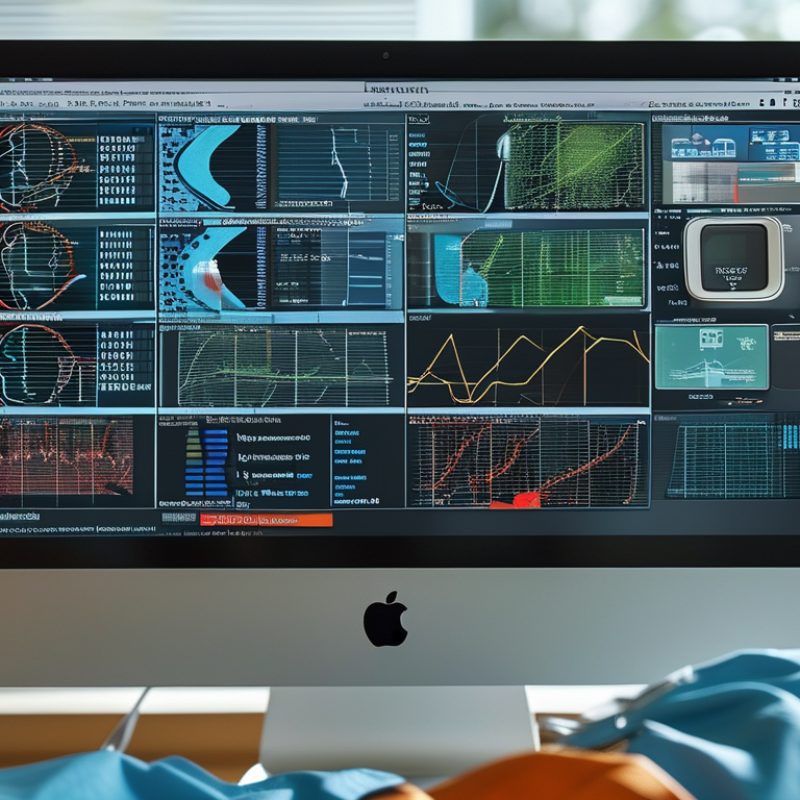
How to Set Up a Multi Parameter Patient Monitor at Home?

What is a Multi Parameter Patient Monitor and Its Benefits?

A multi-parameter patient monitor is a device that tracks various health metrics simultaneously. These metrics often include heart rate, blood pressure, breathing rate, and oxygen saturation. According to a report by Grand View Research, the global patient monitoring market is projected to reach USD 33.2 billion by 2025, highlighting a growing trend towards home monitoring solutions. Home monitoring can empower patients, especially those with chronic illnesses, to manage their conditions proactively.

The benefits of using a multi-parameter monitor at home are significant. Patients can receive real-time data on their health, which may aid in early detection of issues. A study published in the Journal of Clinical Monitoring and Computing found that timely data can reduce hospital admissions by up to 35%. While these devices provide valuable insights, there are challenges as well. User errors in interpreting data can lead to unnecessary anxiety. Additionally, not all devices are user-friendly, particularly for older adults.

The reliability of data depends heavily on device accuracy. Research indicates that inconsistent readings can occur, sometimes attributed to factors like poor skin contact or improper calibration. Patients must remain educated about potential pitfalls. This awareness can bridge the gap between high-tech healthcare and real-world challenges in home setups.

Essential Components of a Home Multi Parameter Patient Monitor Setup

Setting up a multi-parameter patient monitor at home involves understanding essential components that ensure effective monitoring. First, vital signs like heart rate, blood pressure, and oxygen saturation are crucial. According to industry data, maintaining accurate readings can reduce hospital visits by up to 30%. An essential component is a reliable display unit that presents real-time data and trends, allowing caregivers to track changes swiftly.

A dependable ECG (electrocardiogram) monitor is also vital in your setup. Research shows heart rhythm irregularities account for 20% of emergency visits. A portable ECG monitor can detect issues early. Also, an accurate pulse oximeter ensures oxygen saturation is regularly checked, especially for respiratory conditions.

Integrating these components requires careful consideration. Connectivity to smartphones or tablets can enhance monitoring efficiency. However, this raises concerns about data security. Additionally, technical malfunctions can occur. Regular calibration is necessary for accuracy. Maintaining a balance between high-tech solutions and user-friendly interfaces is essential for effective home monitoring.

Step-by-Step Guide to Installing the Monitor at Home

Setting up a multi-parameter patient monitor at home can seem daunting. This guide will help you navigate the process step by step. A well-known report by the Global Health Insights revealed that home monitoring can significantly enhance patient engagement and outcomes. By involving patients in their own health monitoring, we empower them.

Begin by ensuring that you have a suitable location for your monitor. Choose a place that is free from distractions and easy to access. This helps maintain focus during data collection. Positioning is key; it should be at eye level to facilitate easy reading. Ensure all necessary cables and power sources are within reach.

Consider these tips for optimal setup. Regularly check device calibration to guarantee accurate readings. A study conducted by the American Journal of Remote Healthcare indicated that inaccuracies can lead to misinterpretations, which can be dangerous. Additionally, create a daily log to track your readings. This practice not only highlights trends but fosters accountability. It’s vital to ensure that the monitor's software is up to date to leverage the latest features and updates.

Lastly, take time to review your setup periodically. Assess the placement and functionality of the monitor. Small adjustments can improve efficiency and ensure that crucial data is captured effectively.

Configuring Monitors for Accurate Readings and Alerts

Configuring a multi-parameter patient monitor at home requires careful consideration for accurate readings and alerts. Begin by placing the monitor on a stable surface, away from excessive movement. A calm environment minimizes interference from external factors. Ensure that all leads are securely connected to both the monitor and the patient's body. This can be overlooked, but loose leads can lead to incorrect readings.

When calibrating the monitor, pay attention to the settings for each parameter. Each measurement, from heart rate to blood oxygen levels, must reflect the patient’s normal range. A misconfigured setting can lead to false alarms or missed alerts. Take time to review the user manual; a thorough understanding of the device is crucial.

Establish a routine check for the monitor's accuracy. Compare readings with a healthcare professional if possible. Regular maintenance and updates will ensure reliability. Health monitoring technology is evolving, so staying informed about the latest guidelines is essential, but it can be overwhelming. Adapt as necessary and don't hesitate to consult experts when faced with uncertainties.

Maintaining and Troubleshooting Your Home Patient Monitor

When setting up a multi-parameter patient monitor at home, maintenance is crucial for reliable functioning. Regular checks on the device can prevent inaccuracies in readings. According to a 2022 health technology report, inaccurate monitoring can lead to over 30% of avoidable medical errors. Ensuring all sensors are calibrated properly is vital. Miscalibrated sensors may not only give incorrect data but also instill unnecessary concern for caregivers.

Troubleshooting becomes imperative if readings are inconsistent. Common issues include loose connections and low battery failures. Regular inspections can help identify these problems early. Data shows that almost 25% of device failures stem from incorrect user handling. Taking time to read the user manual boosts familiarity and confidence. A proactive approach can make a significant difference in managing patient care effectively.

Additionally, keeping the monitoring environment stable supports device accuracy. Factors like extreme temperature or humidity can affect device performance. Unable to maintain optimal conditions may lead to a reliance on faulty data. Learning about your specific monitor's requirements is essential. No device is flawless, and understanding its limitations helps in addressing issues more swiftly.

Patient Vital Signs Over a Week

FAQS

: How do I choose a suitable location for my monitor?

: Select a distraction-free area, easy to access, and at eye level for best viewing.

Why is regular calibration important?

Calibration ensures accurate readings. Miscalibration can lead to dangerous misinterpretations of data.

How can I track my readings effectively?

Create a daily log. This highlights trends and promotes accountability in your health monitoring.

What should I do if my monitor gives inconsistent readings?

Check for loose connections or low batteries. Regular inspections can help identify and solve these issues.

Why is it crucial to understand the device's user manual?

Familiarity with the manual enhances your confidence. It helps prevent incorrect handling and improves accuracy.

How can I ensure my monitor functions reliably?

Conduct routine checks and maintenance. Regular updates and proper calibration prevent inaccuracies and potential issues.

What environmental factors can affect my monitor's performance?

Extreme temperatures and humidity can disrupt functionality. Keep your monitoring area stable for accurate readings.

What should I do if I feel overwhelmed by technology updates?

Stay informed but take it step by step. Don’t hesitate to consult experts for clarity on uncertainties.

Are there risks with misconfigured settings?

Yes, misconfigured settings lead to false alarms or missed alerts. Confirm all settings align with your normal ranges.

How often should I review my monitor's setup?

Regular assessments of placement and functionality can lead to small adjustments that improve efficiency and data capture.

Conclusion

Setting up a multi-parameter patient monitor for home care can significantly enhance the ability to track vital health metrics, ensuring timely medical intervention when necessary. This comprehensive guide starts by explaining what a multi-parameter patient monitor is and its benefits, including the ability to measure multiple vital signs such as heart rate, blood pressure, and oxygen saturation simultaneously.

Essential components for a home setup are outlined, leading into a step-by-step installation guide tailored for ease of use in a home environment. Proper configuration is critical for obtaining accurate readings and setting alerts for abnormal values. Finally, the article emphasizes the importance of regular maintenance and troubleshooting to ensure the monitor remains functional and reliable. By following these guidelines, individuals can effectively learn how to set up a multi-parameter patient monitor for home care, enhancing patient safety and health management.

Sophia

Sophia

Sophia is a dedicated marketing professional with an exceptional depth of knowledge about her company's products and services. With a keen understanding of market trends and customer needs, she crafts insightful blog posts that not only inform but also engage readers, enriching the company’s online......