Skin rashes from continuous glucose monitor patches are a common concern for users. Many people wonder, "why do I get a skin rash from my continuous glucose monitor patch?" This question highlights the need for better understanding. Dr. Sarah Thompson, a dermatologist specializing in medical device reactions, notes, "Skin reactions can vary widely from person to person."
The materials used in these monitors can cause irritation or allergic responses. Adhesives, sensors, and even environmental factors can contribute to skin issues. Users may notice redness, itching, or swelling around the patch site. These symptoms can be uncomfortable and frustrating.
In some cases, rashes may indicate a need for a patch change or an alternative device. It's essential to listen to your body. Consulting a healthcare provider is crucial for managing these skin reactions. Understanding personal sensitivities can lead to better glucose monitoring experiences. Exploring different patches or using barrier products may help alleviate these issues.
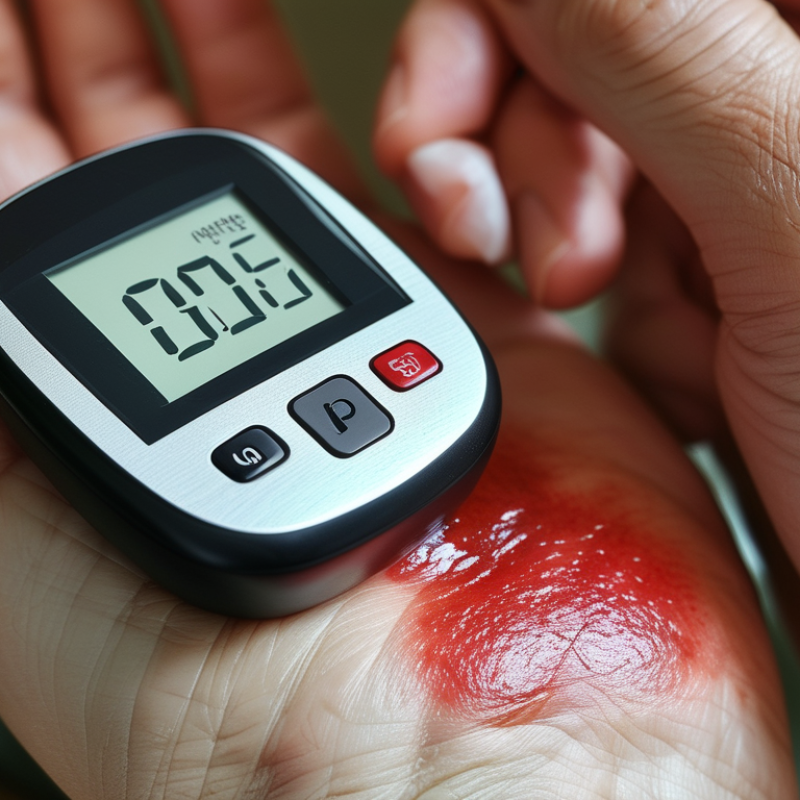
Understanding Skin Reactions to Continuous Glucose Monitors
Continuous glucose monitors (CGMs) are incredible tools for managing diabetes. However, some users experience skin rashes where these devices adhere. Understanding these reactions is crucial for anyone relying on CGMs.
Skin reactions can result from many factors. Adhesive materials may cause irritation. Allergic reactions to components of the CGM are also common. Skin sensitivities vary among individuals, making it difficult to predict who will react. Some people may develop a rash after just a few hours of use, while others remain unaffected for weeks.
To alleviate irritation, consider changing the application site regularly. Keeping the skin clean and dry is important before applying the CGM. Some users find relief with barrier films or skin preparation products. However, these options may not work for everyone. It’s essential to pay attention to your body's responses. If rashes persist or worsen, consulting a healthcare provider is advisable.
Common Causes of Skin Rashes from Glucose Monitoring Devices
Skin rashes from continuous glucose monitors (CGMs) can be frustrating. Several common causes contribute to these skin issues. Allergic reactions to adhesives are prevalent. Many people have sensitivities to the materials used in CGMs. This can cause itching, redness, and swelling. Another factor is skin irritation from constant wear. The device can trap moisture and create an environment for irritation.
To minimize rashes, consider using barrier films. These can protect your skin from direct contact with adhesive. Changing the placement of your monitor regularly can also help. Avoid areas that are prone to sweating. Keeping the skin clean and dry before applying the CGM may reduce irritation.
Sometimes, even the best precautions don't eliminate rashes completely. It’s vital to listen to your body. If a rash persists or worsens, consult a healthcare provider. They can guide you on alternative monitoring options. Managing your skin health is crucial for overall well-being. Constant reflection on your reactions to the CGM can lead to better strategies.
Why Do I Get a Skin Rash from My Continuous Glucose Monitor? - Common Causes of Skin Rashes from Glucose Monitoring Devices
| Cause |
Description |
Symptoms |
Prevention Tips |
| Allergic Reaction |
Skin reacts to adhesive or materials in the device. |
Redness, itching, swelling |
Use hypoallergenic adhesive. Test on a small area. |
| Skin Irritation |
Prolonged contact can cause irritation. |
Itching, a rash, dryness |
Change the site frequently, clean skin before application. |
| Infection |
Bacteria may enter through the insertion site. |
Pus, increased redness, warmth |
Maintain cleanliness, avoid touching insertion site. |
| Contact Dermatitis |
Reaction to substances touching the skin. |
Red, itchy patches or blisters |
Identify and avoid triggers; use barrier cream. |
| Mechanical Irritation |
Movement may cause friction at the site. |
Tenderness, soreness |
Secure attachment, consider overlay patches. |
Preventive Measures to Reduce Skin Irritation from CGMs
Skin rashes from continuous glucose monitors (CGMs) can be frustrating for users. These devices, crucial for diabetes management, can irritate the skin due to adhesive materials and prolonged contact. Research shows that nearly 25% of CGM users report some form of skin irritation. Understanding preventive measures is essential for a more comfortable experience.
To reduce skin irritation, start by ensuring proper skin cleanliness before applying the CGM. Washing the area with mild soap and water can remove oils and residues. A protective barrier, such as a skin-friendly barrier film, can minimize direct contact between the sensor and the skin. Selecting an appropriate size for the adhesive patch is important, as oversized or tight patches can cause friction.
Consider changing the application site regularly. Rotating between different areas can prevent prolonged pressure on any specific skin region. Keeping the site dry and well-aerated can also enhance comfort. Moisture-trapping products like ointments can worsen irritation, so it's essential to use breathable materials. For some users, antihistamine creams may alleviate minor reactions, although consultation with a healthcare professional is always advisable.
Managing and Treating Skin Rashes Induced by CGMs
Managing skin rashes from continuous glucose monitors (CGMs) can be challenging. The adhesives used in CGMs sometimes cause irritation. This can lead to redness, itching, or swelling at the application site. Identifying skin sensitivity is crucial for effective management.
Consider using a barrier film. It creates a protective layer between your skin and the adhesive. This can help reduce irritation. Additionally, try applying a hypoallergenic adhesive patch before placing the CGM. Some people find these patches improve comfort significantly.
Skip areas with existing rashes or irritation when applying a CGM. It might be tempting to choose a familiar spot, but this can worsen skin issues. It's also important to clean the area thoroughly. Use mild soap and pat dry before application. If a rash develops, remove the CGM to let the skin breathe. Consult a healthcare professional if a rash persists or worsens.
Skin Rash Incidence from Continuous Glucose Monitors
This bar chart illustrates the incidence of skin rashes among Continuous Glucose Monitor users. The majority of users report no rash, while a smaller percentage experience mild to severe rash reactions.
When to Seek Medical Advice for CGM-Related Skin Issues
Continuous Glucose Monitors (CGMs) have transformed diabetes management, but skin issues can arise. Research shows that up to 50% of CGM users experience skin reactions, ranging from mild rashes to significant irritation. The adhesive used in these devices can lead to allergic contact dermatitis. Skin reactions might also result from factors like moisture, friction, or improper application.
Seeking medical advice is crucial when skin issues persist or worsen. If you notice redness, swelling, or blistering around the CGM site, consult a healthcare professional. The American Academy of Dermatology suggests that persistent rashes may need treatment. They recommend evaluating the type of adhesive in use. There are alternative products available that may reduce these allergic reactions.
Sometimes, experimenting with application techniques is necessary. However, improper handling can lead to more skin problems. Always keep the application area clean and dry. Track any changes in your skin condition closely. If an adverse reaction occurs, do not hesitate to reach out to your healthcare provider. Early intervention can prevent more severe complications.
FAQS
: Common causes include allergic reactions to adhesives and skin irritation from moisture.
Use barrier films to protect the skin from adhesive. Change the monitor's placement regularly.
Identifying sensitivity helps in managing skin issues effectively and can improve overall comfort.
Skip skin areas with existing irritation. Avoid places prone to sweating to lessen rash risk.
Remove the CGM to let your skin breathe. Consult a healthcare professional if the rash worsens.
If redness, swelling, or blistering continues, consult a healthcare provider immediately.
Yes, moisture and friction can exacerbate rashes. Keep monitoring sites clean and dry.
It's a patch that reduces irritation by providing a gentler alternative to standard adhesives.
Tracking reactions helps develop better management strategies for CGM-related skin issues.
Yes, some products are designed to reduce allergic reactions; consult a professional for options.
Conclusion
Continuous glucose monitors (CGMs) are essential tools for managing diabetes, but some users experience skin rashes at the application site. Understanding why this occurs is crucial for effective management. Common causes of skin rashes include allergic reactions to adhesive materials, irritation from prolonged wear, and skin sensitivity. To address the question, "why do I get a skin rash from my continuous glucose monitor patch," it's important to consider preventive measures. This includes ensuring proper skin preparation before applying the device and using barrier films to protect the skin.
If a rash develops, managing the condition may involve topical treatments and removing the patch temporarily to allow the skin to heal. In cases where irritation persists or worsens, seeking medical advice is recommended to rule out infections or allergic reactions. By understanding and addressing these skin reactions, users can continue to benefit from CGMs while minimizing discomfort.
 MaxPro Medical
