MaxPro Medical MaxPro Medical

Can a Smart Watch Truly Replace a Medical Grade ECG?

Time:2026-06-04 Author:Sophia
0%

As wearable technology evolves, many ask, "can a smart watch replace a medical grade ECG?" Smart watches now offer advanced features like heart rate monitoring and rhythm assessment. Users appreciate the convenience of tracking their health on the go. However, are these features sufficient for accurate medical diagnosis?

Medical grade ECGs provide precise data for healthcare professionals. They analyze electrical activity in the heart, identifying potential issues that wearables might miss. While smart watches can help with early detection, they lack the comprehensive insights of hospital-grade devices.

Some individuals may rely heavily on their smart watches, but this can lead to complacency. People may overlook symptoms that require clinical attention. It's crucial to understand the limitations of these devices. Monitoring your health is important, but a smart watch is not a substitute for personalized medical care.
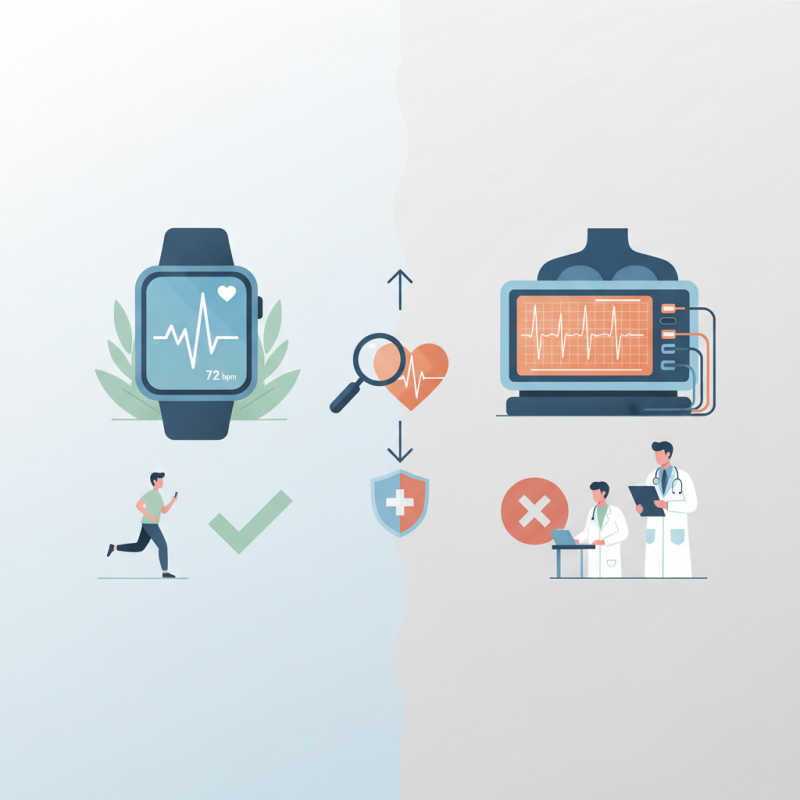
Can a Smart Watch Truly Replace a Medical Grade ECG?

Exploring the Functionality of Smart Watches in Heart Monitoring

Smart watches have emerged as popular tools for heart monitoring. Their ability to track heart rate and rhythm offers convenience and accessibility. A study from the American Heart Association indicates that 40% of adults use wearable technology for health tracking. These devices can provide real-time data and alerts, which may encourage users to adopt healthier lifestyles.

However, smart watches cannot entirely replace medical-grade ECGs. Traditional ECGs offer a level of precision and comprehensive data unavailable in consumer wearables. A report from the Journal of the American College of Cardiology reveals that clinical ECGs can detect serious arrhythmias with over 90% accuracy. In contrast, smart watches struggle with false-positive rates. For instance, studies show some devices misinterpret normal heart activity as irregular, leading to unnecessary anxiety.

There are limitations to smart watch technology that warrant consideration. Battery life affects continuous monitoring capabilities, as does skin type and placement of the device. Even with advancements, personal health decisions should not solely depend on watch data. Medical professionals emphasize the importance of follow-ups for any abnormal readings, irrespective of the watch's alerts. This underscores the critical role of professional medical assessments in heart health management.

Understanding Medical Grade ECG: Features and Capabilities

Medical grade ECGs are critical tools for diagnosing heart conditions. They provide highly accurate readings of heart rhythms and electrical activity. These devices are standardized, ensuring reliability in clinical settings. Studies show that the sensitivity of medical ECGs can reach 95%, making them valuable for detecting conditions like arrhythmias or myocardial infarctions.

Smart watches may promise heart monitoring features, but they often lack the precision of medical-grade devices. For instance, a 2023 report indicated that consumer-grade devices may only achieve around 70% accuracy. This discrepancy can lead to missed diagnoses or false alarms, potentially affecting patient care. Relying solely on smart watches could be risky for individuals with pre-existing heart issues.

Tip: Always consult a healthcare professional for ECG interpretation. Regular check-ups can ensure accurate monitoring and better management of heart health. While smart watches can track fitness, they shouldn't replace comprehensive medical evaluations. It's crucial to balance convenience with clinical accuracy, especially in health monitoring.

Comparison of Smart Watch ECG vs Medical Grade ECG

This chart illustrates the average accuracy and features of Smart Watch ECG devices in comparison with Medical Grade ECG devices.

Comparative Analysis: Smart Watches vs Medical Grade ECG Devices

Smart watches have gained popularity for health monitoring. They offer convenience but lack the accuracy of medical-grade ECG devices. Research indicates that smart watches can miss up to 30% of arrhythmias. Studies show that while smart devices detect irregular heartbeats, they may not provide the same depth of data as clinical devices.

Medical-grade ECGs have been shown to achieve a sensitivity of over 95%. They capture detailed electrical activity in the heart, essential for diagnosing conditions like atrial fibrillation. Smart watches, while useful for initial screenings, can misinterpret user data. They may display false positives or negatives in heart rhythm assessments.

Data from health technology reports reveal that users trust smart watches for routine checks. Yet, many medical professionals still recommend clinical testing for comprehensive evaluations. There may be a cognitive bias where users believe smart watches are sufficient. This attitude poses risks, as underlying issues might be overlooked. Healthcare providers advocate for an integrated approach. Use smart devices for monitoring, but always consult professionals for accurate diagnosis and treatment.

Limitations of Smart Watches in ECG Accuracy and Reliability

Smartwatches have gained popularity for their health tracking capabilities. However, their ECG readings may not be as accurate as medical-grade devices. A study by the Journal of the American College of Cardiology noted a 30% false positive rate in smartwatch ECG readings. This raises concerns for users relying on these devices for critical health monitoring.

The technology in smartwatches often lacks advanced algorithms present in professional ECG machines. For instance, medical-grade ECGs can differentiate between various arrhythmias, while smartwatches may detect only basic irregularities. Research published in the European Heart Journal highlights that clinical ECGs can accurately identify conditions like atrial fibrillation in up to 97% of cases, a stark contrast to smartwatch capabilities.

Moreover, environmental factors can impact smartwatch accuracy. Factors like skin temperature and motion can lead to significant variations in readings. Users expect reliable data for their health decisions, but smartwatch technology still has limitations. Continuous improvements are needed to address these shortcomings and ensure that consumers benefit from accurate health monitoring.

Future Prospects: Integration of Smart Technology in Cardiac Care

The integration of smart technology in cardiac care is evolving rapidly. Wearable devices, such as smartwatches, are now capable of monitoring heart rhythms. They can detect anomalies like atrial fibrillation and alert users in real-time. However, the accuracy of these devices still raises questions. Many rely on algorithms that may not capture all variations. False positives and missed readings can occur, leaving patients uncertain.

Experts highlight the potential of combining smartwatch data with professional insights. Medical-grade equipment delivers comprehensive analyses. However, smart technology offers convenience and immediate feedback. This dual approach could enhance patient monitoring. Yet, it's essential to ensure smart devices uphold high standards. There are concerns about data accuracy and reliability. Each wearer's unique physiology can complicate interpretations.

As technology advances, the landscape of cardiac care will change. Collaboration between tech developers and healthcare professionals might lead to better solutions. Balancing innovation with rigorous validation remains crucial. The future holds promise, yet caution is necessary to avoid misinterpretations. Understanding the limits of smart technology in health monitoring is vital for both patients and providers.

FAQS

:

re smart watches reliable for health monitoring?

How accurate are smart watch ECG readings?

A study showed a false positive rate of 30% in readings from smart watches. This is concerning for health monitoring.

Can smart watches detect serious heart conditions?

Smart watches can only detect basic irregularities. They may misinterpret data and miss serious conditions like atrial fibrillation.

Why do users trust smart watches for health checks?

Users often rely on smart watches for routine checks, but this trust can lead to overlooking serious health issues.

Should I use a smart watch instead of medical tests?

Smart watches can help monitor health, but consulting professionals for accurate diagnosis is essential.

What affects the accuracy of smart watch readings?

Factors like skin temperature and movement can cause variations in readings, impacting reliability and accuracy.

Can smart watches differentiate between arrhythmias?

Unlike medical-grade ECGs, smart watches may only detect basic irregularities, lacking advanced differentiating algorithms.

Are continuous improvements in smartwatch technology expected?

Yes, ongoing advancements are necessary to enhance the accuracy and reliability of smart watch health monitoring capabilities.

What do healthcare providers recommend for heart monitoring?

Providers advise combining smart devices for monitoring with professional evaluations for comprehensive heart health assessments.

Should I rely solely on my smartwatch for health decisions?

It's risky to rely only on smartwatches. Always consider professional advice for serious health decisions.

Conclusion

The article "Can a Smart Watch Truly Replace a Medical Grade ECG?" explores the evolving role of smart watches in heart monitoring, highlighting their functionality and potential benefits for everyday users. It delves into the features and capabilities of medical grade ECG devices, providing a comparative analysis to assess how smart watches measure up against these professional instruments in terms of accuracy and reliability.

While smart watches offer convenience and accessibility for tracking heart health, the article identifies significant limitations in their ECG accuracy compared to medical grade devices. Although advancements in smart technology hold promise for the future integration of such devices in cardiac care, the consensus remains cautious. Ultimately, the article seeks to answer the question: can a smart watch replace a medical grade ECG? It suggests that, while smart watches are valuable tools for personal health monitoring, they currently cannot fully substitute the precision and reliability of medical grade ECGs for comprehensive cardiac assessments.

Sophia

Sophia

Sophia is a dedicated marketing professional with an exceptional depth of knowledge about her company's products and services. With a keen understanding of market trends and customer needs, she crafts insightful blog posts that not only inform but also engage readers, enriching the company’s online......