MaxPro Medical
In the realm of pulse oximetry, placement plays a critical role in obtaining accurate readings. Dr. Sarah Lane, a leading respiratory therapist, emphasizes, "Correct placement of the pulse oximeter can significantly improve accuracy and reliability." Understanding where to place pulse oximeter for best results can enhance patient assessments and treatment decisions.
Many users often overlook the impact of placement on measurement outcomes. Commonly, the fingertip is utilized, but not all fingers yield the same results. Factors like nail polish and skin tones can interfere. Therefore, exploring alternative sites such as the earlobe or forehead may lead to surprising benefits. This suggests that knowledge and flexibility in approach are vital.
Improper placement can lead to misleading data. It is vital for both healthcare professionals and patients to review application techniques regularly. Small adjustments can lead to significant changes in a reading. Further, surroundings play a role; movement and ambient light may affect accuracy. Be aware of these factors to improve results and patient safety.
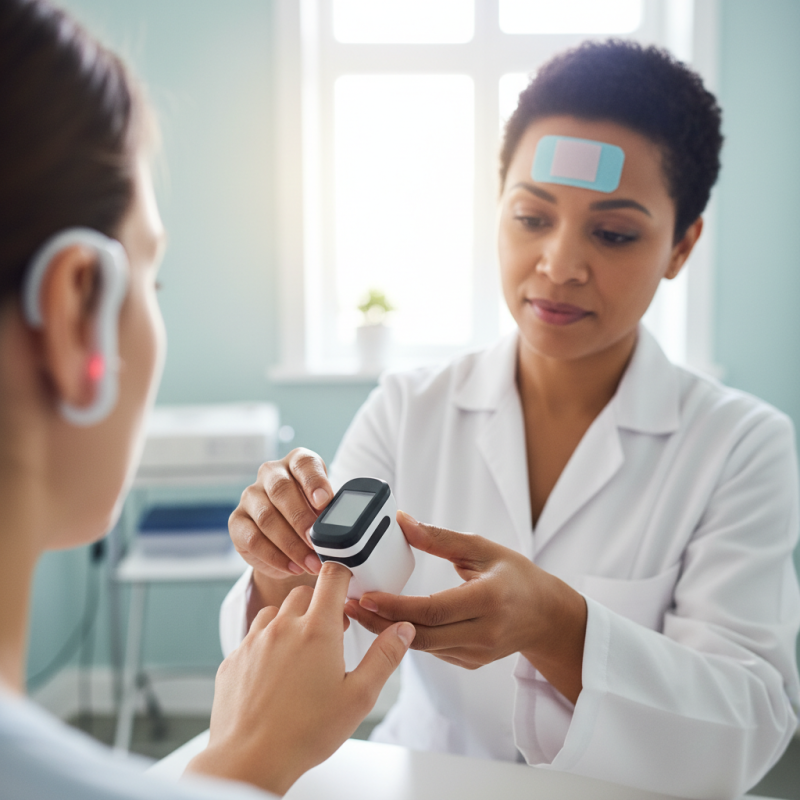
When using a pulse oximeter, proper placement is critical for accurate readings. Understanding how this device works enhances your experience. It measures blood oxygen levels through light absorption in the skin. Thus, placement matters greatly.
One useful tip is to ensure the sensor fits snugly on your fingertip. Loose placement may lead to fluctuating results. Using a clean, dry finger improves readings. Avoid areas with circulation issues, as this can affect accuracy.
Another point to consider is ambient light. Bright lights can interfere with the measurement. Perform readings in a dim environment for optimal outcomes. In rare cases, inconsistencies may arise even with ideal conditions.
Take multiple readings for assurance. Be patient and attentive.
When using a pulse oximeter, accurate readings depend heavily on placement and external factors. Proper positioning of the device is crucial. The fingertip is often preferred, but other sites like the earlobe can also yield reliable results. Studies have shown that finger thickness and temperature can affect readings. In colder environments, peripheral blood flow decreases, leading to lower readings.
Skin pigmentation is another factor to consider. A report from the American Medical Association highlighted discrepancies in oximeter accuracy across different skin tones. Devices tend to underestimate oxygen saturation levels in individuals with darker skin. This indicates the need for continuous improvement in oximeter design and functionality.
Movement can also compromise readings. A study published in the Journal of Clinical Monitoring showed that shaking the hand while measuring can distort results significantly. Additionally, nail polish and artificial nails may interfere with the sensor's ability to gauge oxygen levels accurately. These reflections highlight the necessity for users to be mindful about the conditions affecting their measurements.
Choosing the right placement for a pulse oximeter is crucial for accurate readings. The fingers, toes, and ears are common sites, but each has its pros and cons. Research suggests that finger placement often provides the most reliable results. According to the Journal of Clinical Monitoring, finger probes can minimize motion artifacts, leading to improved accuracy.
However, factors like ambient light and circulation can affect readings. For individuals with poor peripheral perfusion, toe placement might be beneficial. A 2019 study in Critical Care Medicine highlighted that toe oximeters can yield valid data in specific populations. Ears, while not as common, can be useful in situations where fingers are inaccessible, although they might experience interference from skin pigmentation and temperature changes.
When using a pulse oximeter, ensure proper fit and positioning. Skin should be clean, dry, and free from nail polish. Avoid placing the device over bony areas or where skin is thin. If readings seem off, try a different site. Assessing the location and ensuring good blood flow can help achieve the best results.
When using a pulse oximeter, placement is crucial for accurate readings. One common mistake occurs when the sensor is placed on cold fingers. Cold extremities can constrict blood vessels, leading to misleading results. Always ensure that the finger is warm and adequately perfused before taking a reading.
Another frequent error is improper positioning of the device. The sensor should be applied snugly against the fingertip, ensuring a tight seal. If it is loose or angled improperly, the results can be affected. Also, avoid placing the oximeter over finger veins. This can disrupt the light absorption needed for an accurate reading.
Users often overlook movement. Excessive hand movement during measurement can cause fluctuations in O2 levels. Staying still is vital. Lastly, remember to clean the sensor between uses to avoid any residue build-up, which can distort the accuracy. These seemingly small details can have a significant impact on the reliability of your pulse oximeter readings.
When using a pulse oximeter, proper placement is crucial for accurate readings. Best practices suggest placing the device on a finger, preferably the index or middle finger. Ensure the finger is clean and dry; moisture can interfere with results. Avoid using the oximeter on cold or restricted blood flow fingers, as this may lead to inaccuracies.
Creating a routine for continuous monitoring enhances reliability. Check your readings at consistent intervals. This helps in tracking trends over time. Inconsistent measurements can be misleading. Consider factors like ambient light and movement, which can also affect results.
It is important to remember that some variations in readings may occur. If your device consistently shows low values, reassess its placement. Be mindful of skin conditions or nail polish affecting readings. Regularly calibrating and testing your pulse oximeter can ensure accurate readings. Staying aware of these factors will lead to better management of your health data.
: Accurate readings depend on device placement and external factors like temperature and movement.
Proper placement ensures blood flow is adequate, providing more reliable oxygen saturation results.
Yes, studies indicate devices often underestimate oxygen levels in individuals with darker skin tones.
Cold extremities can constrict blood flow, leading to inaccurate lower readings on the device.
Placing the sensor on cold fingers or using it over a finger vein can mislead results.
Excessive hand movement during testing can cause fluctuations in the oxygen levels displayed.
Monitor readings at set intervals, use a clean and dry finger, and avoid cold extremities.
Cleaning prevents residue buildup, which can distort accuracy and lead to misleading results.
Reassess the placement, and check for skin conditions or nail polish affecting readings.
Consistent use, awareness of external conditions, and routine calibration of the device help maintain accuracy.
Understanding where to place pulse oximeter for best results is crucial for obtaining accurate readings. Pulse oximeters function by measuring the oxygen saturation in the blood, and their effectiveness can be influenced by various factors, including the placement of the device. Optimal sites for placement typically include the fingers, toes, and earlobes, each providing distinct advantages.
Common mistakes, such as positioning the probe on cold or poorly perfused areas, can lead to inaccurate measurements. To enhance accuracy and reliability, best practices for continuous monitoring suggest avoiding movement and ensuring proper contact of the sensor with clean skin. By following these guidelines, users can ensure meaningful readings from their pulse oximeters.
