MaxPro Medical
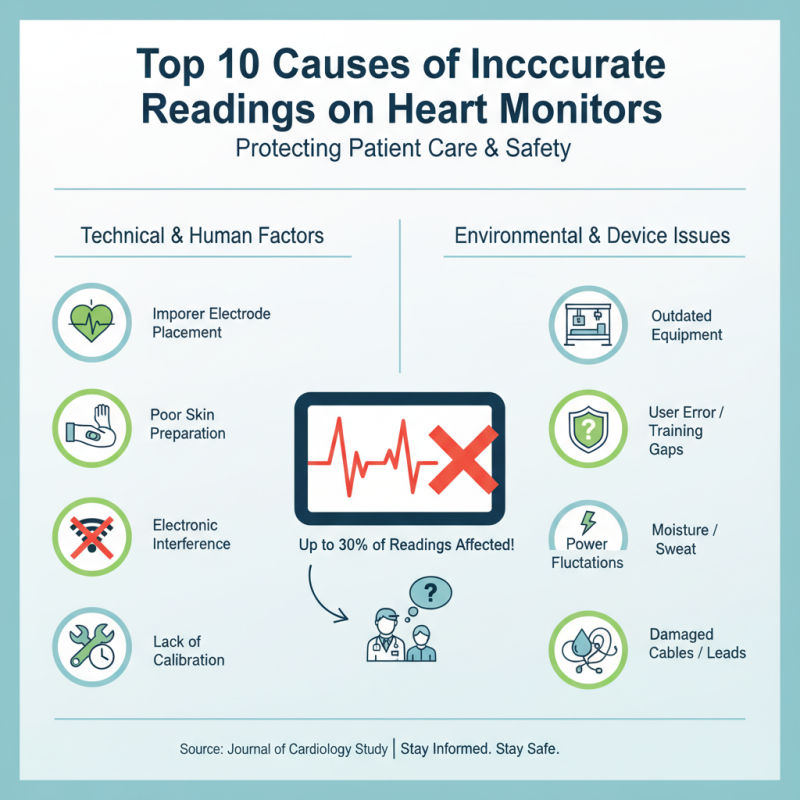
Inaccurate readings on heart monitors can lead to serious health consequences. Understanding what causes inaccurate readings on a heart monitor is crucial for patients and healthcare professionals alike. According to a study published in the Journal of Cardiology, up to 30% of heart monitor readings can be affected by various technical and human factors.
Factors like electrode placement and skin preparation play a significant role. Improperly placed electrodes can record faulty signals, leading to misdiagnosis. Additionally, patient movement or interference from electronic devices may skew results. Research indicates that nearly 20% of errors arise from environmental influences.
Furthermore, the complexity of heart monitors can contribute to user errors. Healthcare providers may overlook calibration requirements or use outdated devices. This poses significant risks. Regular training and device maintenance are essential yet often neglected. The debate surrounding these inaccuracies highlights the need for ongoing education. As technology advances, so should our understanding of its limitations. This reflection allows for improvements in patient care and safety.
Proper sensor placement is crucial for accurate heart monitor readings. A poorly placed sensor can lead to misleading data. For instance, placing a sensor too loosely may cause it to shift during movement. This can distort the readings, adding unnecessary confusion for healthcare providers.
Skin condition also plays a significant role. Sweat, oil, or dirt on the skin can interfere with sensor function. It creates a barrier, preventing proper contact. Additionally, excessive hair in the sensor area can hinder the signal. Healthcare professionals often overlook these simple factors, leading to frustration and inaccurate assessments.
Body movement affects readings as well. Sudden or vigorous movements can disrupt sensor stability. This emphasizes the need for patient instructions before monitoring. They must understand the impact of their actions. Inconsistent placement and environmental factors all create potential errors. This highlights the importance of systematic training for healthcare staff.
Motion artifacts can significantly impact heart rate readings from monitors. These artifacts are caused by any involuntary movements, like shifting in your seat or walking. Even small gestures can create noise in the data, leading to inaccurate readings. When a person exercises, their heart monitor must interpret rapid changes in movement and physiology. This can complicate the accuracy of heart rate measurements.
Moreover, environmental factors play a crucial role. For instance, a loose monitor strap can allow the device to move, causing fluctuations in readings. Sweat can also interfere with the sensor function, distorting the results. These conditions make it challenging to rely solely on heart rate monitors during physical activity. Each of these factors adds layers of complexity to interpreting heart rhythm data.
When evaluating heart health, awareness of these motion artifacts is essential. Misleading data can occur without immediate notice. Relying too heavily on heart monitors could lead to misguided assumptions about one's health. A combination of accurate monitoring and personal awareness is vital for reliable health assessments. Monitoring your heart rate should involve considering both movement and device placement. Reflecting on the impact of motion on readings is crucial for effective health tracking.
This chart displays the top causes of inaccuracies in heart rate readings from heart monitors, emphasizing the significant influence of motion artifacts.
Skin conditions can significantly affect heart monitor accuracy. Many people may not consider that their skin health can interfere with sensor readings. For instance, conditions like eczema or psoriasis can create barriers on the skin. These barriers may prevent proper contact between the monitor and the skin.
The impact of skin temperature and moisture is also crucial. Sweat or oily skin can distort readings. A sudden change in skin temperature might lead to anomalies in data. Moreover, the healing process of wounds can create inconsistencies. If a user is recovering from a skin injury, the heart monitor may provide unreliable information.
Even tattoos can influence accuracy. Pigment and skin texture around tattoos can change how sensors detect heart activity. Users need to monitor their skin's condition and its potential effects. Regular skin assessments can enhance the reliability of heart monitoring devices. Awareness of these factors is vital for anyone relying on these technologies for health insights.
Device calibration is crucial in ensuring accurate readings on heart monitors. According to a report from the American Journal of Cardiology, up to 30% of device misreadings can be linked to improper calibration. This error can lead to misdiagnoses or inappropriate treatments, impacting patient safety dramatically.
Regular calibration checks can significantly reduce these errors. A study by the Heart Rhythm Society found that devices calibrated every six months had a 90% accuracy rate. This highlights the importance of following manufacturer guidelines for calibration schedules. Patients should also be encouraged to report any discrepancies in readings to their healthcare providers.
Tips: Always check your device's calibration status before use. If you notice unusual readings, consult your doctor immediately. Staying proactive can prevent potential risks associated with inaccurate heart monitor readings. Regular maintenance of these devices is just as critical as the technology itself. Standard procedures should be followed to ensure reliability and patient trust.
Heart monitors are essential tools for tracking cardiovascular health. However, they can often display inaccurate readings due to various factors, including interference from electronic devices. This interference can come from common gadgets like smartphones, tablets, and even microwaves. Such devices emit signals that can disrupt the heart monitor's function.
When multiple electronic devices are used close to the heart monitor, the risk of interference increases. For instance, a smartphone placed on the same table can alter readings. Additionally, medical environments filled with other monitoring devices may reflect unwanted signals, contributing to inaccuracies. It’s vital to be aware of these factors and minimize exposure to potential interference.
Users sometimes overlook the importance of placing heart monitors correctly. Poor placement, combined with electronic interference, can lead to misleading data. Regular calibration and following proper guidelines can enhance accuracy. Being attentive to surrounding technology is crucial for obtaining reliable heart rate readings.
| Cause | Description | Impact Level (1-5) |
|---|---|---|
| Electromagnetic Interference | Signals from devices like mobile phones and microwaves can disrupt readings. | 4 |
| Poor Sensor Placement | Incorrect placement on the body can lead to false readings. | 3 |
| Skin Conditions | Conditions like sweaty or oily skin can affect sensor adhesion and readings. | 4 |
| Device Calibration Issues | Improper calibration can lead to systematically inaccurate readings. | 5 |
| Motion Artifacts | Excessive movement while measuring can result in distorted readings. | 3 |
| Battery Issues | Low battery levels can lead to intermittent power and data loss. | 4 |
| External Temperature | Extreme cold or heat can affect the performance of sensors. | 2 |
| Obesity | Higher levels of body fat can hinder sensor functionality. | 3 |
| Age-Related Changes | Older adults may experience differing physiological factors affecting readings. | 3 |
| Medication Interference | Certain medications can affect heart rate and variability. | 4 |
: Proper sensor placement ensures accurate readings. Poor placement can lead to misleading data, which confuses healthcare providers.
Sweat, oil, or dirt can hinder sensor function. These substances create a barrier, affecting the sensor's contact with the skin.
Yes, sudden or vigorous movements can disrupt sensor stability. Patients must be instructed to minimize movement during monitoring.
Motion artifacts are caused by involuntary movements, which can create noise in data. They complicate heart rate accuracy, especially during exercise.
Loose straps or sweat can distort readings. Environmental conditions make it hard to rely solely on monitors during activity.
Signals from smartphones and microwaves can disrupt heart monitor function. Multiple devices nearby increase the risk of inaccurate readings.
Proper placement is crucial. Electronic interference and skin conditions must also be considered for reliable readings.
Hair can hinder the sensor's signal. This simple factor is often overlooked but can lead to false assessments.
Over-reliance can result in misguided health assumptions. Personal awareness and context are necessary for accurate health assessments.
Following guidelines for sensor placement, regular calibration, and minimizing electronic interference can enhance accuracy.
Inaccurate readings on heart monitors can significantly affect patient care, prompting the question: what causes inaccurate readings on a heart monitor? One primary factor is the placement of sensors; improper positioning can lead to unreliable data. Additionally, motion artifacts, such as movement during exercise or daily activities, can interfere with accurate heart rate measurements.
Skin conditions like excessive sweat or dry skin can also impact the functionality of these devices. Furthermore, the calibration of heart monitors plays a crucial role in ensuring they provide accurate readings; without regular calibrations, devices may yield incorrect results. Finally, interference from electronic devices can disrupt signals and lead to misreadings, emphasizing the importance of understanding these factors to enhance the reliability of heart monitoring technology.
