Understanding patient monitor numbers is crucial for nurses and doctors. These numbers provide real-time data about a patient’s health status. According to Dr. Emily Carter, a leading expert in critical care, “Understanding what do the numbers on a patient monitor mean is essential for effective patient care.” Her insight emphasizes the importance of interpreting these readings correctly.
Patient monitors display various vital signs, including heart rate, blood pressure, and oxygen levels. Each number tells a story about the patient's condition. For instance, a high heart rate can indicate stress or dehydration. A sudden drop in blood pressure may signal a medical emergency. It’s vital for healthcare professionals to grasp not just the figures but their implications.
Yet, understanding these numbers can be challenging. Factors such as patient movement or equipment malfunction can lead to inaccuracies. Awareness and training are essential for interpreting monitor data. Mistakes can occur, potentially leading to dire consequences. Health professionals must continually engage with this topic to provide optimal care.
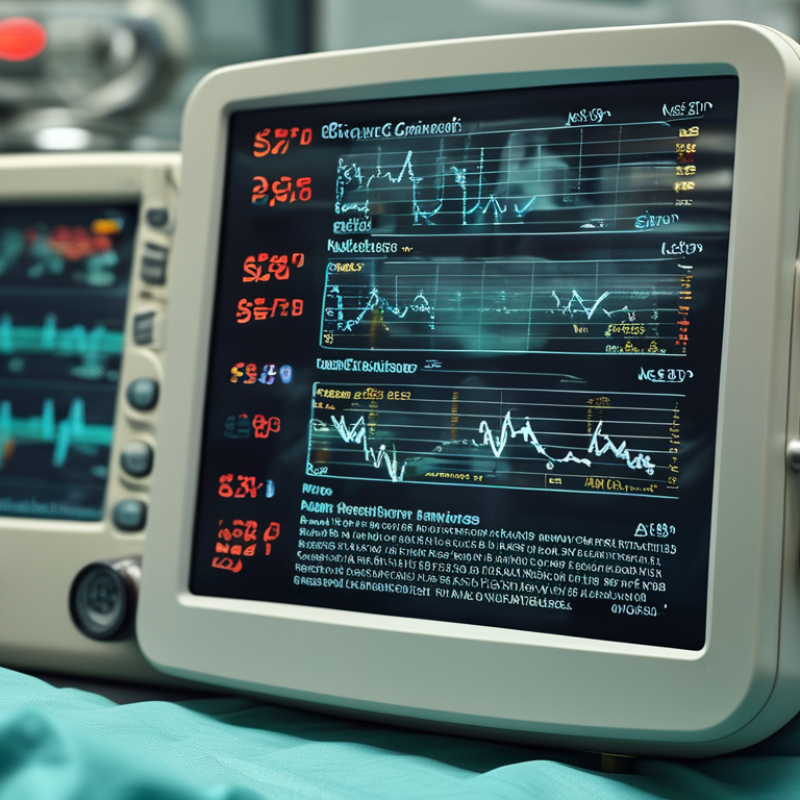
Understanding the Basics of Patient Monitor Numbers and Readings
Patient monitor numbers play a vital role in the healthcare environment. These numbers represent critical health metrics such as heart rate, blood pressure, and oxygen saturation. Accurate readings are essential for patient safety. According to a report by the American Heart Association, approximately
17.9 million people die from cardiovascular diseases each year. Timely and precise monitoring can greatly affect outcomes in such cases.
Understanding these readings requires some background knowledge. For example, a normal heart rate typically ranges from 60 to 100 beats per minute. When readings deviate significantly, it can indicate potential issues. Recent studies highlighted that improper equipment calibration can lead to misinterpretation of vital signs. This incident illustrates the importance of regular maintenance in monitoring devices.
In critical care settings, the margin for error is slim. A study published in Critical Care Medicine shows that up to 30% of alarms may be false alerts. This constant noise can lead to alarm fatigue among nurses. It raises questions about the reliability of monitoring systems. A better understanding of patient monitor numbers can enhance decision-making and ultimately improve patient care in high-stress environments.
Key Metrics in Patient Monitoring: Heart Rate, Blood Pressure, and More
Patient monitoring is crucial in healthcare. Key metrics like heart rate and blood pressure provide insights into a patient’s condition. Understanding these numbers can be complex. Each metric reveals vital information about the heart's function and overall health.
Heart rate is a fundamental measure. It reflects how well the heart pumps blood. A normal resting rate is between 60 to 100 beats per minute. Rates outside this range alert healthcare providers to underlying issues. Changes in heart rate could indicate stress, dehydration, or even more severe conditions. Monitoring should be consistent.
Blood pressure is equally important. This measurement consists of two numbers: systolic and diastolic pressure. Systolic pressure measures the force when the heart beats. Diastolic pressure counts the force when the heart rests. A normal range is usually considered to be around 120/80 mmHg. High or low blood pressure can lead to serious health risks. Regular monitoring helps in early detection of potential problems.
These metrics are not just numbers. They tell a story about a patient's health. Misinterpretation can lead to incorrect treatment plans. Continuous education about these measurements is vital for both patients and healthcare providers.
Understanding Patient Monitor Numbers
This chart illustrates key metrics in patient monitoring, focusing on heart rate, blood pressure, and oxygen saturation levels over a 24-hour period. These vital signs are crucial for assessing a patient's health status.
Decoding Alarm Notifications: What the Numbers Indicate
Patient monitors provide crucial data that healthcare providers rely on. Understanding the numbers displayed can significantly impact patient outcomes. Alarm notifications often indicate vital changes. However, interpreting these alarms is not always straightforward. A report from the American Heart Association noted that 72% of alarm notifications may be false positives. This overload can lead to alarm fatigue among healthcare staff.
Wireless telemetry allows for continuous heart monitoring. Clinicians track heart rates and rhythms from a distance. A study published in the Journal of the American College of Cardiology highlighted that timely responses to alarming data reduce serious complications by 30%. Clear protocols on responding to these alerts are essential. Effective training for nurses can help them distinguish between critical and non-critical alarms.
Being aware of the emotional impact of alarms is equally important. Constant beeping can create stress for both staff and patients. It poses a challenge for healthcare teams to focus on actual emergencies. Balancing responsiveness and maintaining a calm environment is complex. Finding this equilibrium requires ongoing reflection and improvement in alarm management practices.
Interpreting Trends: How Patient Data Changes Over Time
Patient monitoring numbers play a crucial role in healthcare. They reflect a patient’s physiological status and help in making informed decisions. However, interpreting these numbers is not always straightforward. Trends over time can reveal significant changes in a patient's condition, often before acute symptoms arise. For instance, a study by the American Journal of Medicine noted that early detection through continuous monitoring can reduce adverse events by 25%.
Data trends should be analyzed carefully. A small increase in heart rate might indicate stress or pain, while a consistent rise could signal deterioration. Moreover, fluctuations in blood pressure readings also require context. Monitoring isn't just about one number; it's about the story they tell together. Health professionals must combine data points to form an accurate picture.
Tip: Always look for patterns, not just outliers. A consistent trend may warrant closer examination.
Moreover, consider the context of the data. A patient’s baseline numbers vary. What is normal for one person might be abnormal for another. Hence, it’s vital to track changes relative to individual history instead of relying solely on population norms.
Tip: Regular training can enhance the interpretation skills of healthcare staff. Understanding nuances in data leads to better patient outcomes.
Impact of Patient Monitor Numbers on Clinical Decision-Making
Patient monitor numbers play a critical role in clinical decision-making. These numbers provide real-time insights into a patient's well-being. Clinicians use them to assess vital signs, such as heart rate, blood pressure, and oxygen saturation. According to a report by the Healthcare Information and Management Systems Society, over 70% of healthcare professionals rely on these metrics for immediate decisions.
However, reliance on these numbers has its pitfalls. An article in the Journal of Patient Safety revealed that false alarms from monitors can lead to alarm fatigue. This fatigue might cause clinicians to overlook critical changes in a patient's condition. Approximately 40% of nurses reported feeling overwhelmed by monitor alerts. This may lead to delayed response times, affecting patient outcomes.
Furthermore, interpreting these numbers requires expertise. Misinterpretation can occur, especially in high-pressure environments. A study in the American Journal of Critical Care indicated that 25% of clinicians misread vital signs under stress. Continuous training and proper protocols are essential to mitigate these risks. Understanding these numbers is vital for enhancing patient care while balancing the potential for error.
Conclusion
Understanding patient monitor numbers is crucial for both healthcare professionals and caregivers. This article explores the basics of these readings, answering the question, "what do the numbers on a patient monitor mean?" Key metrics such as heart rate, blood pressure, and oxygen saturation provide essential insights into a patient's health status. Furthermore, the article decodes alarm notifications, explaining what various numbers indicate during medical emergencies.
Additionally, it emphasizes the importance of interpreting trends in patient data over time, which can highlight changes in a patient’s condition. The impact of these monitor numbers on clinical decision-making is also discussed, illustrating how accurate interpretation can lead to timely interventions and improved patient outcomes. Understanding these fundamental concepts empowers healthcare providers to deliver optimal care based on real-time data.
 MaxPro Medical
