MaxPro Medical
A patient monitor can display several numbers at once, and each one describes a different part of a patient’s condition. Heart rate, oxygen saturation, breathing rate, and blood pressure are common readings. Some monitors also show temperature or other measurements. The values may update quickly. A number can change when someone moves, coughs, or shifts a sensor. Small details matter.
So, what do the numbers on a patient monitor mean, and which readings deserve attention? This guide offers seven practical tips for reading the display more carefully. It explains common labels and units, shows how to notice trends, and describes why an alarm does not always mean an emergency. It also highlights a basic but important point: normal ranges can vary with age, health, activity, and clinical setting. There is no single number that tells the whole story.
A monitor is a tool, not a diagnosis. The screen may show a temporary fluctuation, or a sensor may not be positioned well. That can be easy to miss. Look at the patient, the displayed trend, and the care team’s guidance together. If a reading seems unusual, an alarm continues, or the person looks unwell, tell a healthcare professional promptly rather than adjusting equipment or making treatment decisions yourself. These tips can help you ask clearer questions, but they cannot replace professional assessment.
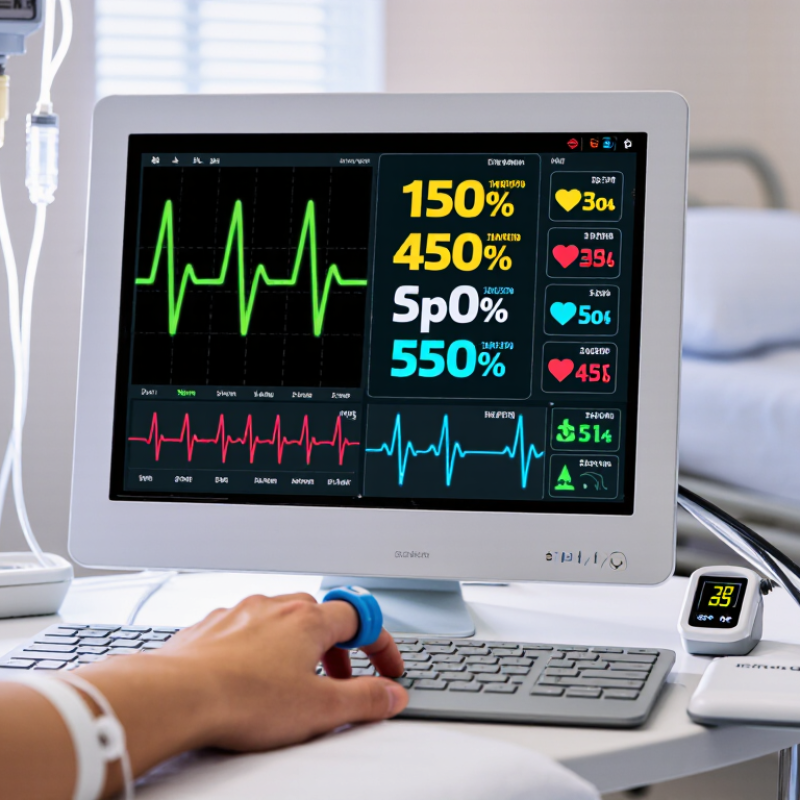
A patient monitor displays several measurements, each describing a different part of the body’s condition. Heart rate shows beats per minute, while oxygen saturation (SpO₂) estimates the percentage of oxygen carried in the blood. Respiratory rate counts breaths per minute. Blood pressure often appears as two numbers: systolic pressure over diastolic pressure. Some monitors also show temperature. One number rarely tells the whole story.
Monitor readings can shift with movement, a loose sensor, cold fingers, or changes in a person’s condition. A brief oxygen reading may look low after someone moves; the waveform and repeat measurement can add useful context. Alarms are prompts for attention, not diagnoses. Even familiar numbers can be misleading without knowing the patient’s age, medical history, and usual range. Ask a qualified clinician to explain unexpected readings, especially when they occur with symptoms. The display can feel precise. Its meaning still needs context.
A patient monitor may show heart rate (HR) in beats per minute and oxygen saturation (SpO2) as a percentage. An HR of 72 means the heart is beating 72 times each minute. For many adults at rest, 60–100 beats per minute is typical, but age, movement, fever, and medicines can change it. SpO2 estimates how much oxygen the blood carries. Values of 95–100% are common in many healthy adults at sea level, though personal targets may differ. One number alone cannot diagnose a problem.
Tips: Sit still and let the reading settle; keep your hand warm; place the sensor snugly; remove dark nail polish if readings seem inconsistent; check whether the displayed pulse matches your actual pulse; compare trends, not just one number; tell clinical staff about symptoms or repeated unexpected readings. Small details matter.
A reading can look precise and still be misleading. Movement, cold fingers, or poor sensor contact may affect SpO2. I would not treat a single dip as proof of danger—or dismiss it automatically. Follow the care team’s instructions and personal oxygen targets. If you feel newly short of breath, confused, faint, or have chest pain, alert medical staff promptly, even if the monitor looks reassuring.
A patient monitor may display blood pressure as systolic over diastolic, such as 118/76 mmHg. The top number reflects pressure as the heart contracts; the lower number reflects pressure between beats. One reading is only a snapshot. A cuff that is too small, a bent arm, or talking during measurement can affect the result. Keep the arm supported near heart level, with the cuff on bare skin. Context matters.
Respiratory rate is the number of breaths taken in one minute. For many resting adults, 12 to 20 breaths per minute is a common reference range, not a universal rule. Age, pain, fever, anxiety, and activity can change the rate. Watch the chest rise and fall, and count for a full minute if breathing seems uneven. A monitor may misread movement or shallow breaths. Small details count.
Check the trend, not just a single value. Compare readings with the person’s usual pattern and how they look and feel. A surprising result can be repeated after the person rests, using proper positioning. Still, symptoms matter more than a reassuring number. Severe shortness of breath, fainting, chest pain, or sudden confusion needs prompt medical attention. A displayed number is a clue, not a verdict.
On a patient monitor, temperature is usually a number, not a moving waveform. A reading near 38°C (100.4°F) or higher is generally considered a fever in adults, according to the U.S. Centers for Disease Control and Prevention. The sensor site matters: an ear, skin, or core reading may differ. Check the displayed unit and measurement location before comparing readings. Small detail. ECG numbers show electrical activity, often as heart rate in beats per minute. The American Heart Association describes 60–100 beats per minute as a typical resting range for many adults, but illness, medication, age, and activity can change it. A number alone cannot explain why it changed.
Watch the trace, too. ECG waveforms show repeating electrical patterns; pulse-oximeter waveforms rise and fall with detected blood flow. A loose electrode can create jagged ECG lines, while movement may distort the pulse waveform. In a 2014 JAMA Internal Medicine study, researchers reviewed more than 2.5 million ICU alarms; 88.8% of arrhythmia alarms were false positives. That finding is a reminder to verify the signal, not dismiss it. Compare the waveform with the patient, other readings, and recent trends. I still find this easy to overlook: a neat-looking number can sit beside a poor-quality signal. If a reading seems unexpected, alert the clinical team and follow local monitoring procedures.
Read each number beside its label and unit. Heart rate is measured in beats per minute; oxygen saturation appears as SpO₂, usually a percentage. Blood pressure may show systolic and diastolic values, while respiratory rate counts breaths per minute. For resting adults, commonly cited reference ranges include 60–100 beats per minute and 12–20 breaths per minute. These are guides, not personal targets. Age, illness, medicines, movement, and clinical orders can change what is expected. Check the patient, the trend, and the care team’s instructions—not one isolated value. Context matters. A flashing number can look urgent, but alarms and limits are set for the individual.
Pulse oximeter readings deserve particular care. The U.S. Food and Drug Administration warns that accuracy can be affected by factors such as poor circulation and skin pigmentation. Cold fingers, movement, or a loose sensor can also make a reading unreliable. Check whether the displayed pulse matches the patient’s pulse, and tell clinical staff about a value that seems unusual or conflicts with symptoms. Do not adjust alarm limits or silence a persistent alarm without authorization. The Joint Commission’s 2013 Sentinel Event Alert reviewed 98 reported alarm-related events, including 80 deaths; these reports do not measure how often such events occur across all hospitals. Still, they show why alarms should not be dismissed casually. Even a practiced reader can miss a small change while watching several numbers at once.
Heart rate shows beats per minute. For many resting adults, 60–100 beats per minute is typical. Age, movement, fever, and medicines can change it. One reading is only a clue.
SpO₂ estimates the percentage of oxygen carried in the blood. Values of 95–100% are common for many healthy adults at sea level, but personal targets can differ. Cold fingers or a loose sensor may affect the reading. Small details matter.
The top number measures pressure as the heart contracts. The lower number measures pressure between beats. For example, 118/76 mmHg shows both values. A small cuff or unsupported arm can affect the result.
It counts breaths taken in one minute. For many resting adults, 12–20 breaths per minute is a common reference range, not a rule for everyone. If breathing seems uneven, watch the chest rise and fall for a full minute.
Movement, cold fingers, poor sensor contact, or a person’s changing condition can shift readings. A brief low oxygen reading after movement may need a repeat check and waveform review. I still have to remind myself that a precise-looking number can mislead.
Check the label, units, sensor placement, and trend over time. Let the person rest, then repeat the measurement if appropriate. Tell clinical staff about repeated unexpected readings. Don’t change care based on one number alone.
Alert medical staff about severe shortness of breath, chest pain, fainting, or sudden confusion. Do this even if the monitor looks reassuring. Symptoms matter. A display is not a diagnosis.
Understanding what do the numbers on a patient monitor mean starts with knowing that each reading describes a different aspect of the body and should be considered alongside the patient’s condition. Heart rate shows how many times the heart beats per minute, while oxygen saturation estimates the percentage of oxygen carried in the blood. Blood pressure reports the force of blood against artery walls, and respiratory rate counts breaths per minute. Temperature, ECG traces, and other waveforms provide additional information, but their meaning depends on context and correct sensor placement.
Seven practical tips can help readers interpret these displays more safely: learn what each value represents, check its units, look for trends rather than reacting to one reading, confirm that sensors are attached properly, and notice alarms without assuming they identify a specific cause. Compare readings with the patient’s symptoms and usual baseline, and ask a qualified healthcare professional when a number is unclear or concerning. A monitor supports observation; it does not replace clinical judgment or a professional assessment.