 MaxPro Medical
MaxPro Medical
MaxPro Medical
Understanding how to use an infrared thermometer for accurate body temperature is essential in today's health-conscious world. These devices offer a quick and non-invasive way to measure temperature, making them popular among medical professionals and families alike. However, improper use can lead to inaccurate readings, which may result in unnecessary panic or misplaced trust in the results.
To utilize an infrared thermometer effectively, one must be aware of various factors, such as ambient temperature, the distance from the body, and proper positioning. For instance, holding the device too far from the forehead can yield inconsistent readings. It’s crucial to remember that these tools are not foolproof; occasional discrepancies can occur.
Moreover, while infrared thermometers are valuable, relying solely on them isn't wise. The best approach combines clinical judgment with these readings. A deeper understanding of how to use an infrared thermometer for accurate body temperature can empower individuals to make informed health decisions. This knowledge can be particularly beneficial during cold and flu season or a pandemic scenario.
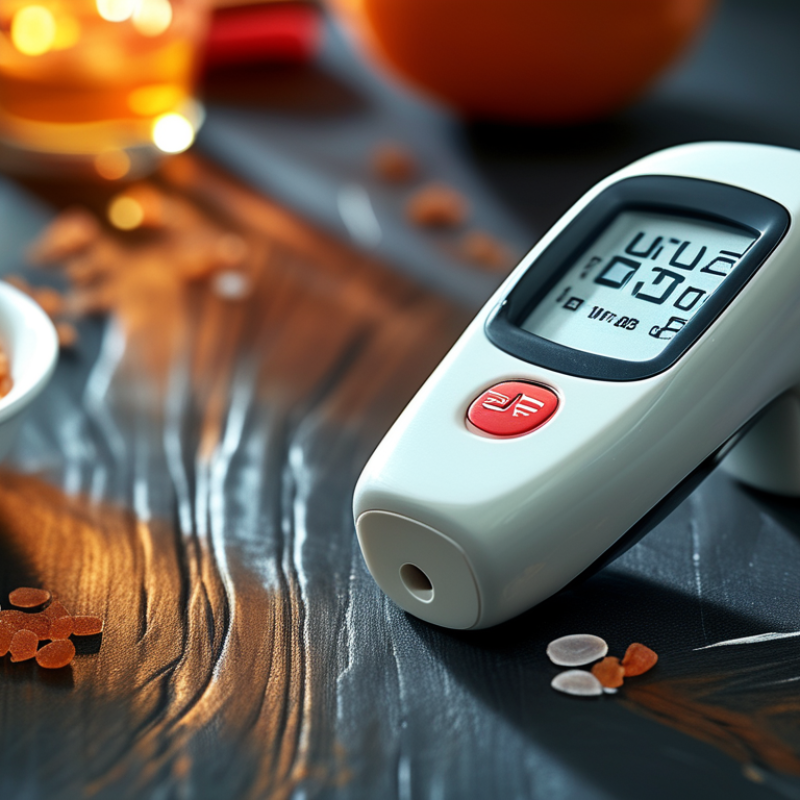
Infrared thermometers are valuable tools in measuring body temperature without direct contact. They work by sensing infrared radiation emitted from the skin's surface. This method ensures quick readings. According to a report from the American Journal of Medicine, accurate non-contact thermometers can provide results within 1 to 2 seconds. This speed is crucial in clinical settings, especially during pandemics when rapid screening is essential.
Proper use of infrared thermometers is vital for accurate results. Positioning is key; the thermometer should be held 1 to 5 centimeters away from the forehead. Environmental factors can affect readings, such as wind or direct sunlight. Skilled operators consistently deliver precise measurements. Research shows that improper use can lead to significant discrepancies, with errors up to 0.5°C in some situations.
Calibration is another important aspect. Many users overlook this, leading to potential inaccuracies. Regular checks, as suggested by clinical practice guidelines, can ensure reliability. Though infrared thermometers are efficient, attention to detail is critical. Small errors can lead to misdiagnosis or unnecessary stress. Understanding these nuances enhances the overall efficacy of these devices in clinical and home settings.
| Measurement Method | Accuracy | Typical Use Cases | Temperature Range | Response Time |
|---|---|---|---|---|
| Infrared radiation | ±0.2°C (±0.4°F) | Medical thermometry, cooking | 32°C to 42.9°C (89.6°F to 109.2°F) | 1 second |
| Non-contact | ±0.3°C (±0.5°F) | Healthcare screenings, industrial uses | 0°C to 100°C (32°F to 212°F) | 0.5 seconds |
| Contact mode | ±0.1°C (±0.2°F) | Scientific research, laboratory | 20°C to 50°C (68°F to 122°F) | 2 seconds |
: Hold the device 1-2 inches away from the forehead and keep it steady.
Ambient temperature and sweat can impact readings. Avoid direct sunlight exposure.
Regularly clean the lens and calibrate the device. This improves accuracy.
They provide essential instructions that enhance reliability and accuracy of readings.
Taking multiple readings may help. Wait between each to prevent heat buildup.
No, avoid measuring immediately after exercise. Wait for the body to cool down.
Yes, dust and smudges can lead to inaccurate results. Clean the lens regularly.
Holding the thermometer too far from the forehead is a frequent error.
Understanding individual variances and measuring in a controlled environment aids in better monitoring.
While taking time between measurements may seem tedious, it's necessary for accuracy.
This article provides a comprehensive guide on how to use an infrared thermometer for accurate body temperature measurement. It begins by explaining the fundamentals of infrared thermometers and their various applications, particularly in health monitoring. The importance of selecting the right model for body temperature assessment is emphasized, ensuring users understand the features that contribute to accuracy.
The article details a step-by-step guide to effectively use an infrared thermometer, highlighting key techniques for precise readings. It also addresses common mistakes to avoid, which can lead to inaccuracies in temperature measurement. Finally, the importance of maintaining and calibrating the thermometer is discussed, ensuring optimal performance and reliability. Overall, this resource serves as a valuable reference for anyone looking to accurately measure body temperature with an infrared thermometer.
