MaxPro Medical MaxPro Medical

Why Should You Calibrate Your Home Blood Pressure Monitor?

Time:2026-09-25 Author:Sienna
0%

A home blood pressure monitor can make a quiet morning feel measurable: a cuff tightens around your arm, a number appears, and you decide what to do next. But that number is only useful if the device is working properly and the cuff fits. The World Health Organization’s 2023 hypertension report estimates that 1.28 billion adults aged 30–79 have hypertension worldwide; nearly half are unaware they have it. Small differences matter. A consistently inaccurate reading could make a trend look reassuring or concerning when it is not.

That is why people search for how to calibrate a home blood pressure monitor. In practice, most consumer monitors are not designed for owners to adjust at home. “Calibration” is often used to mean checking accuracy, but adjustment may require a qualified service provider. The American Heart Association recommends using a validated automatic upper-arm monitor and bringing it to a medical appointment so its readings can be compared with the clinic’s equipment. Follow your manufacturer’s instructions for servicing, and ask your clinician how often to check your model. Keep the cuff, tubing, and batteries in good condition; a worn cuff or low battery can interfere with reliable use. Sit quietly, support your arm at heart level, and take readings as directed. Even careful users can miss a step. I sometimes think the device itself gets all the blame, when technique matters too. A comparison check is a practical safeguard, not a guarantee.
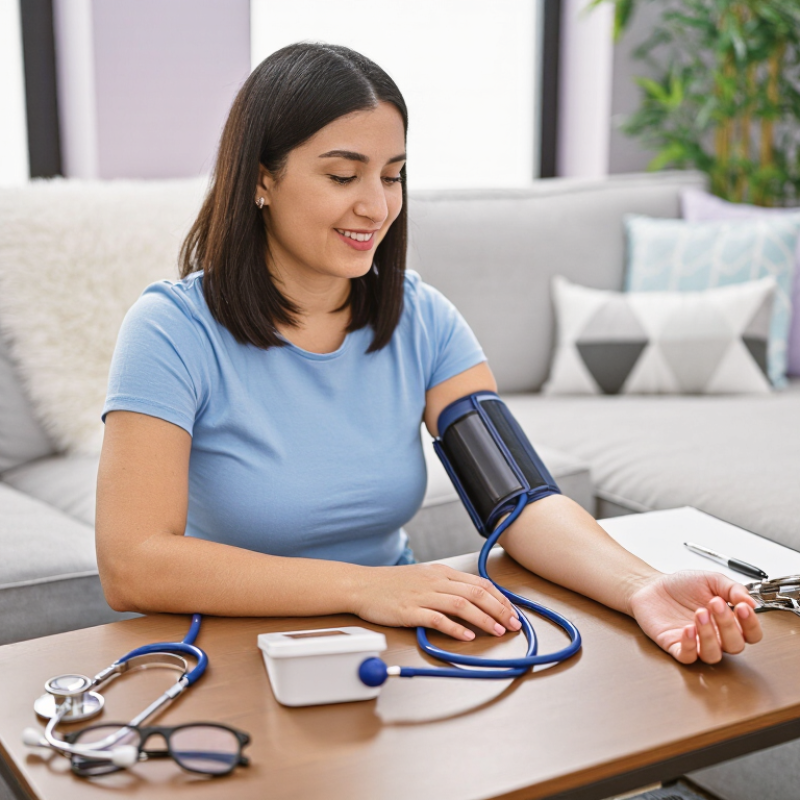
Why Should You Calibrate Your Home Blood Pressure Monitor?

How Home Blood Pressure Monitors Measure Blood Pressure

An automatic home blood pressure monitor does not directly see blood moving through your arteries. It uses a cuff and a method called oscillometry. The cuff tightens around your upper arm, briefly slowing blood flow. As it deflates, tiny pressure changes from each heartbeat make the cuff vibrate.

Sensors detect those vibrations. The monitor’s internal algorithm uses their pattern to estimate systolic and diastolic pressure, then displays the result.

It also usually reports your pulse. The numbers are estimates, not a direct picture of your circulation. Algorithms can differ, and movement, talking, or a poorly fitted cuff can distort the signal. Small details matter.

Calibration helps check whether those displayed numbers remain close to a reliable reference. It is not something you can confirm just by taking several readings at home. Follow the monitor’s instructions for periodic checks, and ask a healthcare professional whether your device can be compared with a clinic reading. Bring it along, if practical.

For a useful comparison, rest quietly beforehand and use the correct cuff size on a bare arm, with your back supported and feet flat. Even careful technique is easy to overlook.

Why Calibration Matters for Accurate Readings

A home blood pressure monitor can look dependable while giving readings that have slowly drifted from accuracy. Even a small error may make a trend seem better or worse than it is. That matters. A clinician may use your readings to understand whether a treatment is working, so dependable measurements support better-informed decisions.

“Calibration” is often used casually, but many home monitors are not designed for users to adjust themselves. Ask a healthcare professional to compare your monitor with clinic equipment, and follow the device instructions for inspection or servicing. Bring the monitor and its cuff to an appointment.

A cuff that is too small, a loose fit, or an arm held below heart level can also distort results. Sit quietly for five minutes, keep your feet flat, and place the cuff on bare skin. Small details count.

Readings can still vary from day to day, and calibration cannot correct rushed technique. I sometimes want one number to settle the question; it rarely does.

Record several readings as instructed, and discuss unexpected patterns with a clinician before changing medication.

Signs Your Monitor May Need an Accuracy Check

A home blood pressure monitor may need an accuracy check if its readings suddenly change without a clear reason. For example, several measurements taken a minute apart might differ widely, even when you sit quietly with your arm supported. One odd result can happen. A repeated pattern deserves attention. Error messages, a cracked display, loose tubing, or a cuff that no longer fastens properly are also warning signs. So is a monitor that was dropped or stored in a damp, hot place.

Compare your routine carefully before assuming the device is faulty. Use the correct cuff size, place it on bare skin, and rest quietly for five minutes. Keep your feet flat and your arm at heart level. Talking, crossed legs, a full bladder, or measuring right after coffee or exercise can affect results. I have to admit, it is easy to blame the monitor when the setup changed. Still, persistent differences between home readings and measurements taken by a health professional are worth discussing.

Tips: Bring your monitor to a medical appointment and ask whether its readings can be compared with the office equipment. Follow the manufacturer’s instructions for accuracy checks and servicing; schedules vary. If the monitor is damaged or readings remain inconsistent, ask a qualified health professional about replacement or another check. Keep a simple log with dates, readings, and notes about unusual circumstances.

How Professionals Check and Adjust a Monitor

A professional check begins with the monitor itself. A clinician confirms that its model has passed an accepted validation study, then inspects the cuff, tubing, display, and power supply. The cuff must fit the user’s arm; a small cuff can produce misleadingly high readings. The American Heart Association’s 2019 scientific statement recommends using a validated upper-arm monitor and bringing it to appointments for comparison with clinic equipment. Small details matter.

Next, staff usually let the patient rest quietly, position the arm at heart level, and take repeated readings with both devices under similar conditions. They look for a consistent difference, not one isolated number. ISO 81060-2:2018 sets clinical validation criteria that include a mean difference of no more than 5 mmHg and a standard deviation no greater than 8 mmHg against a reference method. Those limits apply to validation testing, not a promise that every home reading will match exactly. If the monitor is inaccurate, the clinic may check technique and cuff fit, then advise manufacturer servicing or replacement; many home units cannot be adjusted in an office. I find this part easy to overlook: a careful comparison can still be affected by movement, stress, or a rushed appointment.

Why Should You Calibrate Your Home Blood Pressure Monitor? - How Professionals Check and Adjust a Monitor

Check or Step What a Professional Does Why It Matters What You Can Do at Home
Confirm the monitor is suitable Checks the device type, cuff range, and whether the model has been independently validated for blood pressure measurement. A validated device and correctly sized cuff help reduce avoidable measurement errors. Use an upper-arm monitor when appropriate, and check that your arm circumference falls within the cuff’s stated range.
Inspect the device and cuff Looks for damage, worn cuff material, loose connectors, kinked tubing, air leaks, and weak batteries or power supply. Physical damage or an air leak can prevent the cuff from inflating or deflating as intended. Keep the monitor dry and protected, and replace damaged parts only with compatible parts specified for the device.
Compare readings with a reference May take readings with the home monitor and a clinical reference instrument under controlled conditions, following an appropriate comparison procedure. A comparison can identify a possible discrepancy, but one measurement alone cannot establish that a monitor is accurate. Bring your monitor to a healthcare appointment and ask the clinician to check it against the equipment used in the clinic.
Check measurement technique Confirms that the cuff is positioned correctly and that the person is seated, rested, and supported during readings. Body position, talking, movement, and cuff placement can affect results even when the device is functioning properly. Rest quietly for five minutes; sit with your back supported, feet flat, and arm supported at heart level. Follow your clinician’s instructions for repeat readings.
Assess the pressure-measuring system Where the model permits, uses suitable test equipment and the manufacturer’s procedure to assess pressure measurement and system performance. Pressure-sensor performance is one part of device function; the test method and acceptable limits depend on the device and its specifications. Do not open the monitor or attempt internal adjustments. Contact the manufacturer or an authorized service provider if a technical fault is suspected.
Adjust, service, or replace If the device is outside its specified limits and is serviceable, an authorized technician may adjust or repair it, then recheck performance. Some devices cannot be recalibrated. Internal adjustments require appropriate equipment and should follow the device’s service instructions. Follow the manual’s service guidance. Replace a faulty or unsupported monitor rather than relying on readings that may be inaccurate.
Decide when to recheck Recommends follow-up according to the device instructions, service history, observed performance, or local clinical practice. There is no single calibration interval that applies to every home monitor. Check the manual for the manufacturer’s recommended service interval and bring the monitor to appointments when asked or when readings seem unusual.

Important: “Calibration” is often used casually to mean an accuracy check. A professional comparison does not necessarily recalibrate a monitor, and home users should not adjust internal components. A validated monitor, a suitable cuff, and correct measurement technique are all important.

When to Recheck Your Monitor’s Accuracy

A home blood pressure monitor can seem dependable for years, but its readings may drift or become inconsistent. Recheck its accuracy about once a year, or follow your clinician’s advice. A clinic visit is a practical time to bring your monitor and compare its readings with professional equipment.

Ask the clinician to watch your technique, too. A cuff that sits too loosely or over a sleeve can affect results.

Check sooner if the monitor has been dropped, the cuff is damaged, or readings suddenly seem far from your usual pattern. Replace weak batteries if the display or readings behave erratically, and check the manual for care instructions. Don’t try to adjust the device yourself.

If one reading looks unusual, sit quietly for five minutes and take another, following the same steps each time. Blood pressure naturally changes, so one unexpected number does not prove the monitor is faulty. Still, repeated differences deserve a closer look. I can be tempted to blame the machine first; technique and timing may be part of the story. Bring a short log of readings to your appointment.

FAQS

How does an automatic home blood pressure monitor measure blood pressure?

A cuff tightens around your upper arm and briefly slows blood flow. As it deflates, each heartbeat creates tiny vibrations. Sensors detect them, and an internal algorithm estimates systolic and diastolic pressure. It also usually reports your pulse. These are estimates, not a direct view of blood flow.

What can affect a home monitor’s readings?

Movement, talking, or a poorly fitted cuff can distort the signal. Cuff size and arm position matter too. Small details count.

When should I consider an accuracy check?

Consider one if readings change suddenly without a clear reason, or differ widely across several measurements. One unusual result can happen. Repeated differences deserve attention.

What physical signs may suggest a monitor needs attention?

Watch for error messages, a cracked display, loose tubing, or a cuff that will not fasten properly. A recent drop or damp, hot storage area may also matter.

How can I prepare for a more consistent reading?

Rest quietly for five minutes. Use the correct cuff on a bare arm, keep your feet flat, and support your arm at heart level. Avoid talking during the measurement. A full bladder, crossed legs, coffee, or recent exercise can affect results.

How can I compare my monitor with clinic equipment?

Bring it to an appointment and ask a health professional whether its readings can be compared. Rest quietly beforehand and use the right cuff position. It is easy to miss a setup detail.

What should I do if readings stay inconsistent?

Follow the device instructions for checks and servicing; schedules vary. Ask a qualified health professional about another check or replacement if the monitor is damaged or readings remain inconsistent. Keep a simple log with dates, readings, and unusual circumstances.

Should I assume the monitor is faulty after one surprising result?

Not necessarily. Check your setup and repeat the measurement as instructed. I may blame the device too quickly, though persistent differences are worth discussing with a health professional.

Conclusion

Home blood pressure monitors estimate pressure by detecting changes in blood flow as a cuff inflates and deflates. Because readings can guide important health decisions, accuracy matters. A monitor that gives inconsistent results, differs noticeably from readings taken at a medical appointment, or has been dropped or damaged may need an accuracy check. Using the correct cuff size and following the device’s instructions also helps reduce avoidable measurement errors.

Knowing how to calibrate a home blood pressure monitor usually means having its readings checked against a properly maintained professional device—not adjusting it yourself. A healthcare professional can compare measurements taken under similar conditions and advise whether the monitor needs servicing or replacement. Recheck accuracy after damage, when readings seem unexpectedly different, or as recommended by the device instructions or your healthcare provider. Keep a record of readings and bring the monitor to appointments when possible.

Sienna

Sienna

Sienna is a skilled marketing professional with a deep expertise in our company’s core products and services. With a passion for innovation and detail, she plays a pivotal role in crafting insightful blog posts that not only highlight the unique features of our offerings but also provide valuable......