MaxPro Medical
A health monitor may look simple, but its readings can influence urgent clinical decisions. A blood pressure cuff, pulse oximeter, or bedside ECG converts physical signals into numbers. Those numbers need traceable accuracy. The World Health Organization’s Global Patient Safety Report 2024 estimates that one in ten patients experiences harm in healthcare, with more than half considered preventable. Measurement errors are not the only cause, but unreliable equipment can quietly increase clinical risk. Small errors matter. A cuff that reads 8 mmHg too high may affect treatment decisions, especially for patients already taking antihypertensive medicine.
So, how often do medical health monitors need professional calibration? There is no universal interval for every device. Manufacturers, risk level, usage intensity, and local quality procedures determine the schedule. The U.S. Food and Drug Administration emphasizes following device instructions and recognizing limitations, particularly for pulse oximeters used with different skin tones or during poor circulation. AAMI and ISO 81060-2 also stress validated performance for non-invasive blood-pressure equipment, rather than relying on appearance or a single reassuring reading.
In practice, hospitals often combine scheduled calibration with interim verification. A monitor used beside a busy emergency bed deserves closer attention than a rarely used home unit. After repair, impact, fluid exposure, or suspicious readings, testing should happen immediately. Keep the service record visible. Record the serial number, test standard, result, and technician. This sounds meticulous. It is. Yet one weakness remains: a calibration sticker cannot guarantee perfect clinical performance tomorrow. Staff still need proper cuffs, clean sensors, correct positioning, and sensible interpretation. Professional calibration is essential, but it works best as one part of a complete measurement-quality system.
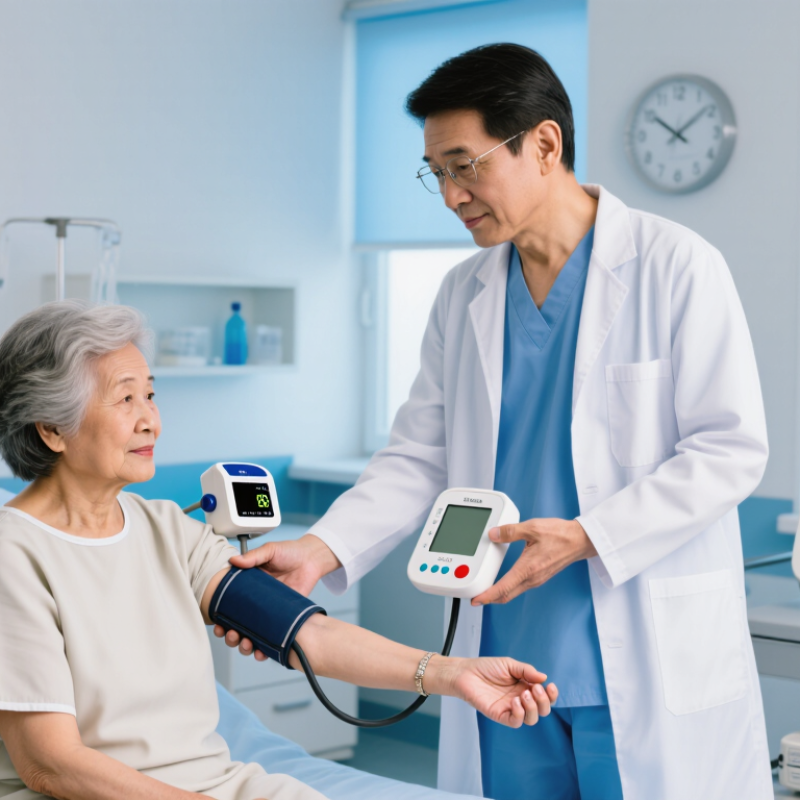
Professional calibration means comparing a health monitor with a trusted reference instrument under controlled conditions. Technicians check several readings, not just one. They may test a thermometer in a stable water bath. They may compare blood pressure results against known pressure points. Pulse oximeters require controlled oxygen levels and steady sensor placement.
This process reveals small errors that ordinary home checks can miss. A screen may look normal, while its readings slowly drift. Professional technicians record temperature, humidity, test settings, and measurement differences. They then adjust the device when possible. Each result should be traceable to recognized measurement standards. Clear records also help clinics identify repeated problems. Calibration does not repair damaged sensors or poor user technique. That limitation matters. A perfectly calibrated monitor can still produce weak results when placed incorrectly.
Tips: Keep the monitor clean and inspect cables, cuffs, and sensors before testing. Follow the recommended calibration interval, especially after drops, repairs, or unusual readings. Ask for a calibration report showing test conditions and results. Store the device away from heat and moisture. During use, remain still and follow the instructions carefully. One careless movement can change the reading. It is tempting to trust a digital number immediately, but accuracy depends on the entire measurement process. A qualified service provider can explain whether a result reflects the device, the environment, or the user’s technique.
A health monitor can look reliable while its readings slowly drift. Calibration checks whether displayed values match a trusted reference standard within an accepted tolerance. During professional calibration, trained technicians test the device across relevant measurement ranges. They may verify, adjust, and retest the monitor. This process creates evidence, not just confidence.
Accuracy can change because of aging sensors, repeated cleaning, temperature shifts, vibration, or minor impacts. A small error may seem harmless on a screen. However, it can influence decisions about observation, treatment, or follow-up. For example, an inaccurate blood pressure reading may hide a meaningful change. A pulse sensor may also respond differently when skin contact is poor.
I once assumed calibration guaranteed a correct reading. That assumption was incomplete. The monitor had passed calibration, but the cuff was positioned incorrectly. User technique still mattered. Calibration cannot repair poor placement, movement, damaged accessories, or unsuitable conditions.
Reliable calibration also depends on controlled procedures. Professionals document the device identifier, test date, reference equipment, measurement uncertainty, results, and any adjustments. These records help reveal gradual drift over time. Reference equipment also has limits, so no measurement is perfectly exact. Facilities should review calibration intervals when devices are used heavily or exposed to harsh conditions. A current calibration record supports safer interpretation, but careful operation remains essential.
Sensor drift and device aging quietly change how health monitors interpret the body. A pressure sensor may lose zero stability. An optical sensor may weaken as its light source ages. Cables, adhesives, humidity, and repeated cleaning can also affect readings.
The error is gradual. That makes it dangerous.
A device can still power on and display believable numbers while its accuracy has deteriorated. Professional calibration compares the monitor with a traceable reference under controlled conditions. Technicians check offset, gain, response time, temperature effects, and alarm limits. They also document measurement uncertainty, not only whether the screen “looks right.”
The World Health Organization’s Global Patient Safety Report 2024 estimates that one in ten patients experiences harm in healthcare, with more than half considered preventable. Measurement errors are not the only cause, but unreliable data can influence clinical decisions. A 2020 New England Journal of Medicine study also found occult hypoxemia in 11.7% of Black patients compared with 3.6% of White patients despite acceptable pulse-oximeter readings. Calibration cannot solve every biological or algorithmic limitation. It can, however, expose drift before maintenance teams mistake a stable display for a reliable measurement.
Battery replacement is not calibration. A factory reset is not calibration. In practice, maintenance schedules often become too optimistic, especially when devices appear clean and functional. Recalibration intervals should reflect operating hours, environmental exposure, sensor type, and the manufacturer’s stated tolerance. When those records are incomplete, extending the interval may feel efficient, but it deserves careful review.
Sensor drift and device aging can gradually increase measurement error. This example shows how a blood pressure monitor's systolic readings may diverge from a calibrated reference over 12 months.
Regular professional calibration helps identify accumulated bias, verify measurement accuracy, and maintain reliable clinical data.
An improperly calibrated health monitor can create a dangerous illusion of accuracy.
A blood pressure monitor may display a reassuring number while pressure remains high. A pulse oximeter may show a normal oxygen level despite poor circulation or cold fingers. Small errors can change decisions.
These risks affect patients and professionals. A false low reading may delay medical attention. A false high reading can cause unnecessary fear or repeated testing. In a clinic, inaccurate records may influence treatment discussions.
Calibration should be performed by trained technicians using traceable reference instruments. They check sensors, pressure systems, temperature conditions, and software responses. Professional calibration also provides documented results and identifies equipment that needs repair.
Keep the monitor clean and dry. Store it away from heat and impact. Follow the recommended calibration schedule, even when readings appear stable.
Compare unusual results with symptoms and a qualified professional’s assessment. Do not rely on one measurement. Repeat it correctly after resting for several minutes.
Cold hands, movement, loose cuffs, and low batteries can distort results. Even careful users miss these details.
Calibration is not a one-time guarantee. It is an ongoing quality check, and neglecting it can make a trusted device quietly unreliable.
Why Do Health Monitors Need Professional Calibration?
When and How Health Monitors Should Be Professionally Calibrated
A health monitor can look reliable while quietly drifting. Cuffs stretch, sensors age, and repeated cleaning can affect readings. Professional calibration compares a device with traceable reference equipment under controlled conditions. It also records uncertainty, temperature, and operator technique. Small errors matter. The World Health Organization’s 2023 Global Report on Hypertension estimates that 1.28 billion adults aged 30–79 live with hypertension. Almost half are unaware of their condition. An inaccurate monitor may delay needed medical attention.
Calibration should follow the device’s risk, workload, and manufacturer instructions. It is especially important after repair, a hard impact, water exposure, or repeated abnormal readings. Many healthcare facilities choose yearly verification, but no universal interval fits every device. That rule sounds tidy. It can still be wrong. A busy clinic may need shorter intervals, while a lightly used home monitor may require a different plan. ISO 81060-2:2018 describes clinical validation for automated blood-pressure devices, including testing across suitable patient groups and repeated paired measurements.
A qualified technician should inspect the housing, cables, cuff, display, and power supply first. The device is then tested against calibrated references across its intended measurement range. Results should show pass or fail limits, reference equipment identification, date, technician, and next review date. For glucose systems, ISO 15197:2013 uses defined accuracy limits, including 95% of results within specified error limits. Users should also keep the cuff correctly positioned and avoid testing immediately after exercise. Calibration cannot fix poor technique. Both problems deserve attention.
It compares readings with traceable reference equipment. Small errors can change medical decisions.
High blood pressure or low oxygen may appear normal. Needed medical attention could be delayed.
Not always. Usage, repair, impact, and workload affect timing. A busy clinic may need shorter intervals.
Arrange testing after repairs, hard impacts, water exposure, or repeated unusual readings. Follow the device’s instructions too.
They check the housing, cables, cuff, sensors, display, power supply, and software response. Temperature conditions also matter.
Rest for several minutes before testing. Keep the cuff positioned correctly, avoid movement, and replace weak batteries.
Yes. Cold fingers and weak circulation can distort results. Warm the hand and compare readings with symptoms.
No. Sensors age, cuffs stretch, and cleaning may affect performance. A trusted device can quietly become unreliable.
Records should include the test date, technician, reference equipment, limits, results, and next review date. Keep them accessible.
No. Repeat it correctly after resting, then consider symptoms and professional advice. Numbers alone can mislead.
Professional calibration ensures that health monitors are tested and adjusted against reliable reference standards so their readings remain accurate and consistent. It affects every measurement, including vital signs and other health data, by identifying deviations that may not be visible during normal use. Over time, sensors can drift because of repeated operation, environmental conditions, mechanical stress, or natural device aging. Recalibration helps correct these changes and supports dependable monitoring.
Using an improperly calibrated monitor may produce misleading results, cause unnecessary concern, or hide meaningful changes in a person’s condition. The answer to “how often do medical health monitors need professional calibration” depends on the device type, usage frequency, operating environment, manufacturer guidance, and applicable clinical procedures. In general, calibration should be performed at scheduled intervals and whenever a device has been repaired, exposed to unusual conditions, or shown inconsistent readings. Professional technicians should document the process and verify performance before the monitor returns to service.
