MaxPro Medical
MaxPro Medical
MaxPro Medical
Advance clinical outcomes with our ISO 13485-certified diagnostic arrays, professional glucose monitoring platforms, and emergency medical systems.
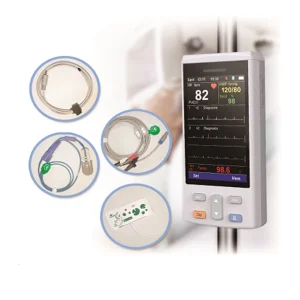

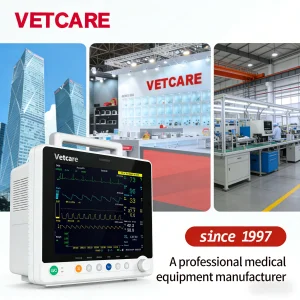
Analyzing key shifts in modern medical engineering, patient recovery matrices, and remote biometric data processing.
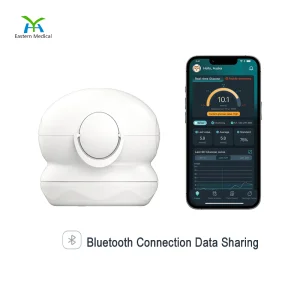
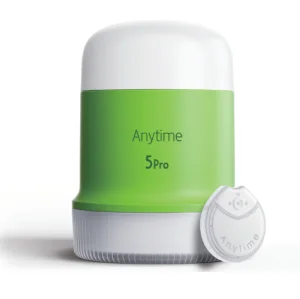
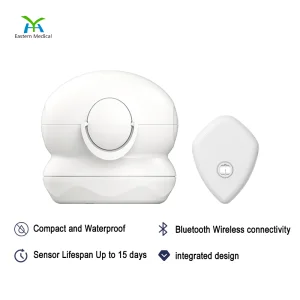
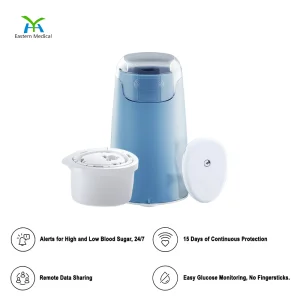
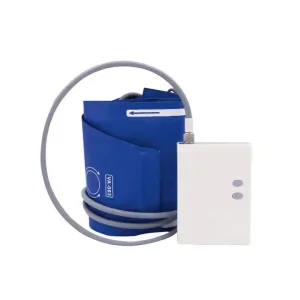
Modern clinical paths demand real-time telemetry over static, point-in-time checks. Integrating advanced Continuous Glucose Monitors (CGM) and ambulatory monitoring systems into central hospital management software ensures predictive alert capabilities for patient rehabilitation teams.
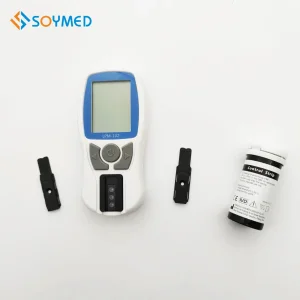
Point-of-Care Testing (POCT) is revolutionizing recovery wards and nursing care. Integrated analyzers capable of measuring blood glucose, cholesterol, uric acid, and hemoglobin on a single strip minimize waiting times and support rapid, data-backed medical decisions.
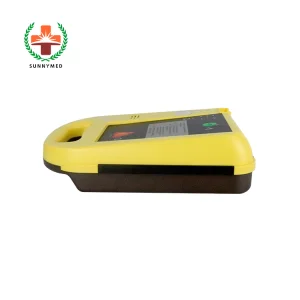
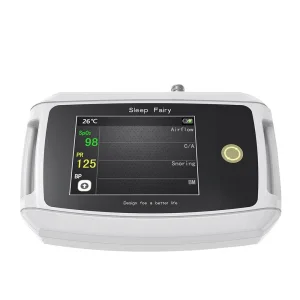
Global standards emphasize the availability of public-access life-saving hardware, such as AEDs, alongside home sleep monitoring, ensuring comprehensive out-of-hospital surveillance and prompt emergency interventions during patient physical recovery journeys.
Procuring rehabilitation and diagnostic equipment requires strict adherence to regulatory standards, cost performance, and device durability. Hospitals, distributors, and governmental health organizations rely on systematic evaluations to protect patient safety and manage operational costs.
Use this standard matrix to evaluate potential equipment suppliers against global quality requirements:
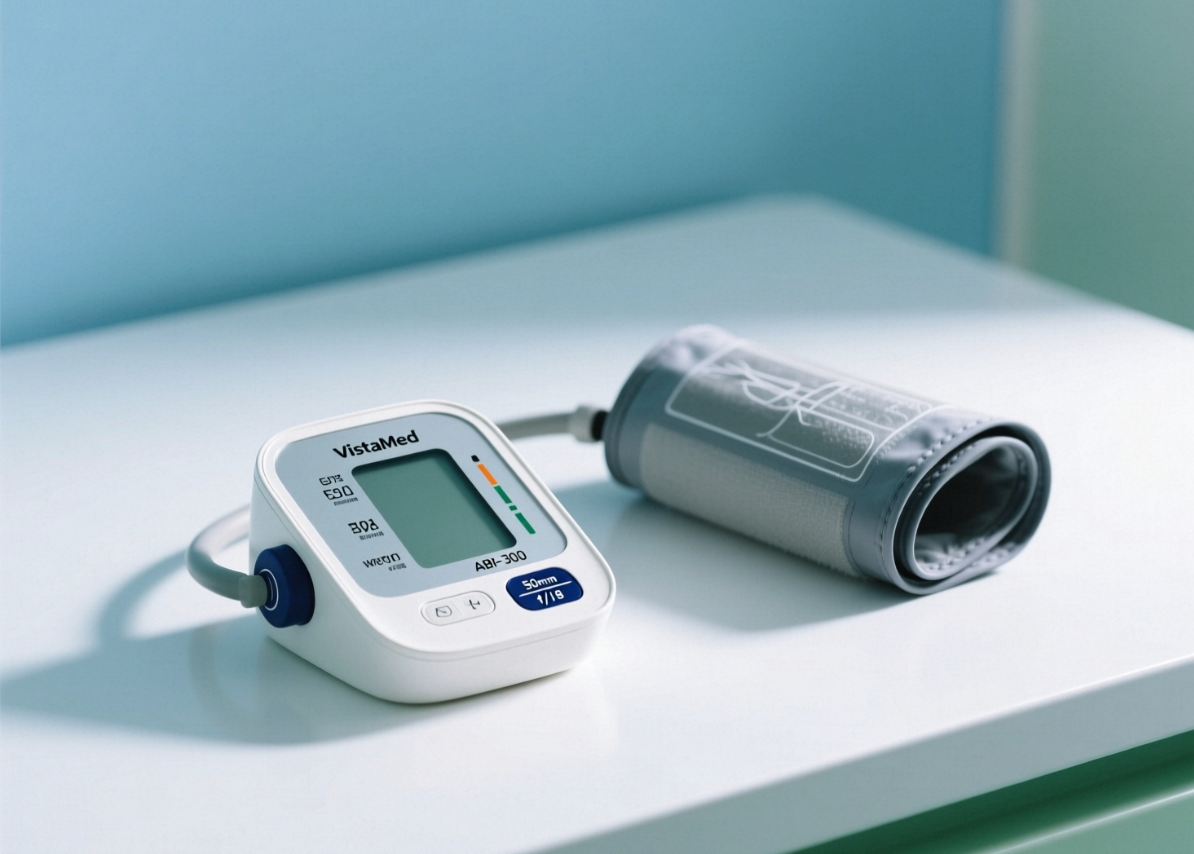
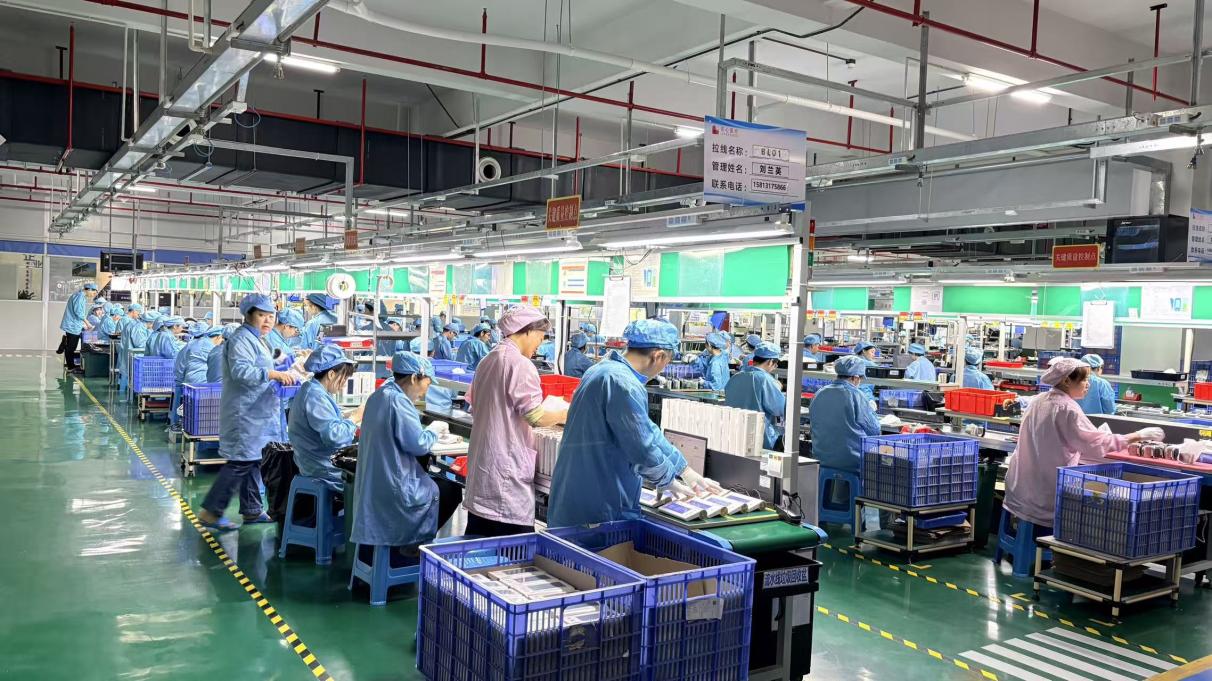
Founded in 2009, Shenzhen MaxPro Medical Co., Ltd. is a leading manufacturer specializing in advanced medical devices and chronic disease monitoring solutions. With a strong commitment to innovation, quality, and customer satisfaction, we provide reliable healthcare technologies to over 500 healthcare institutions and distributors worldwide.
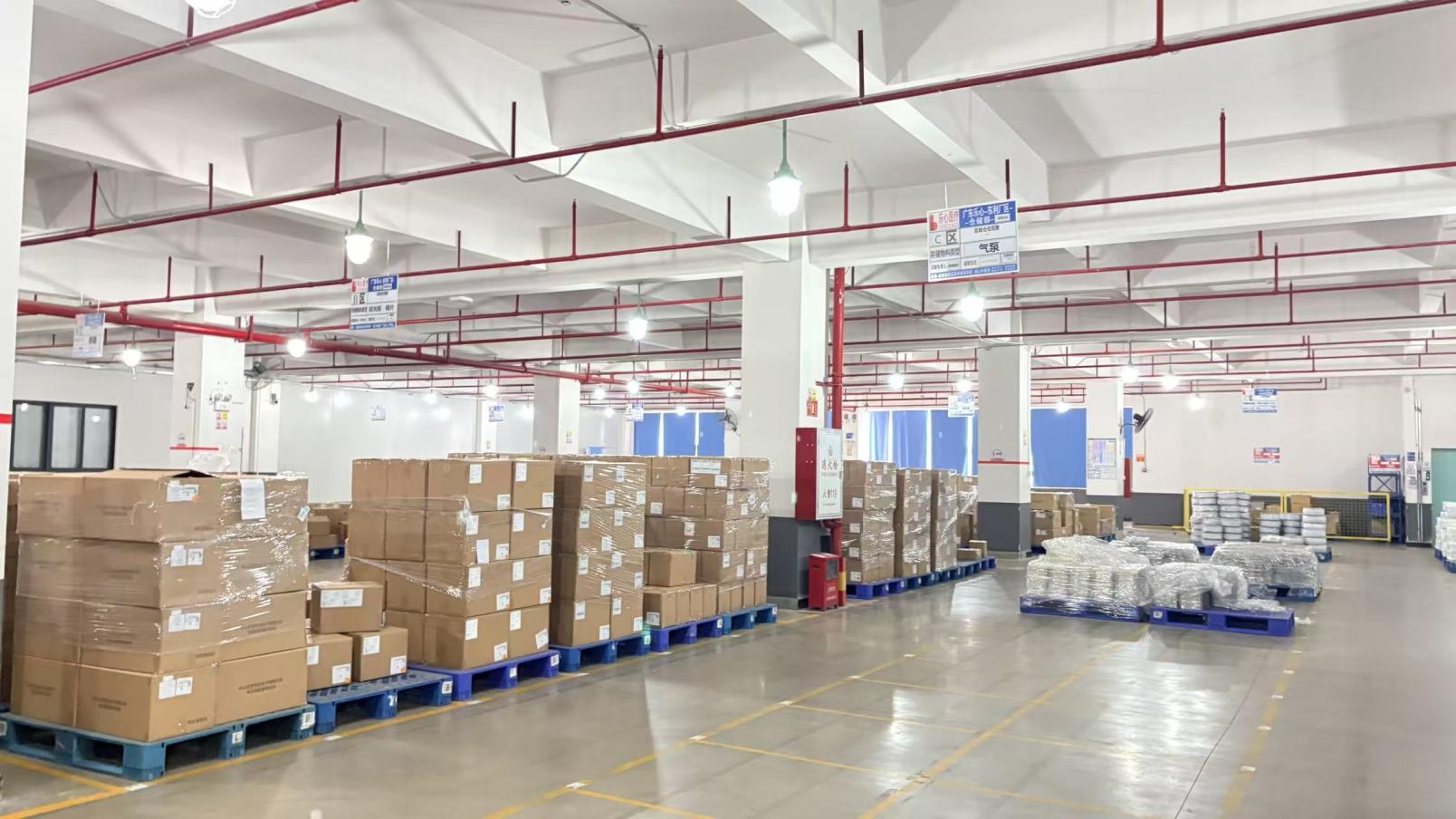
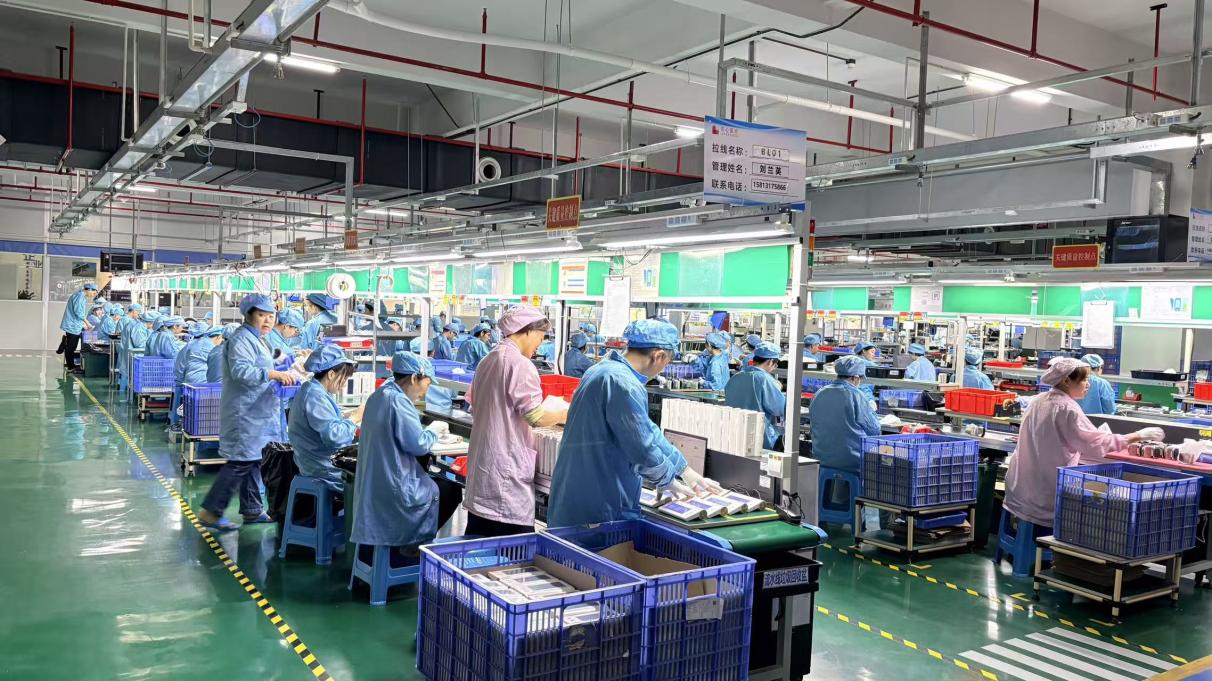
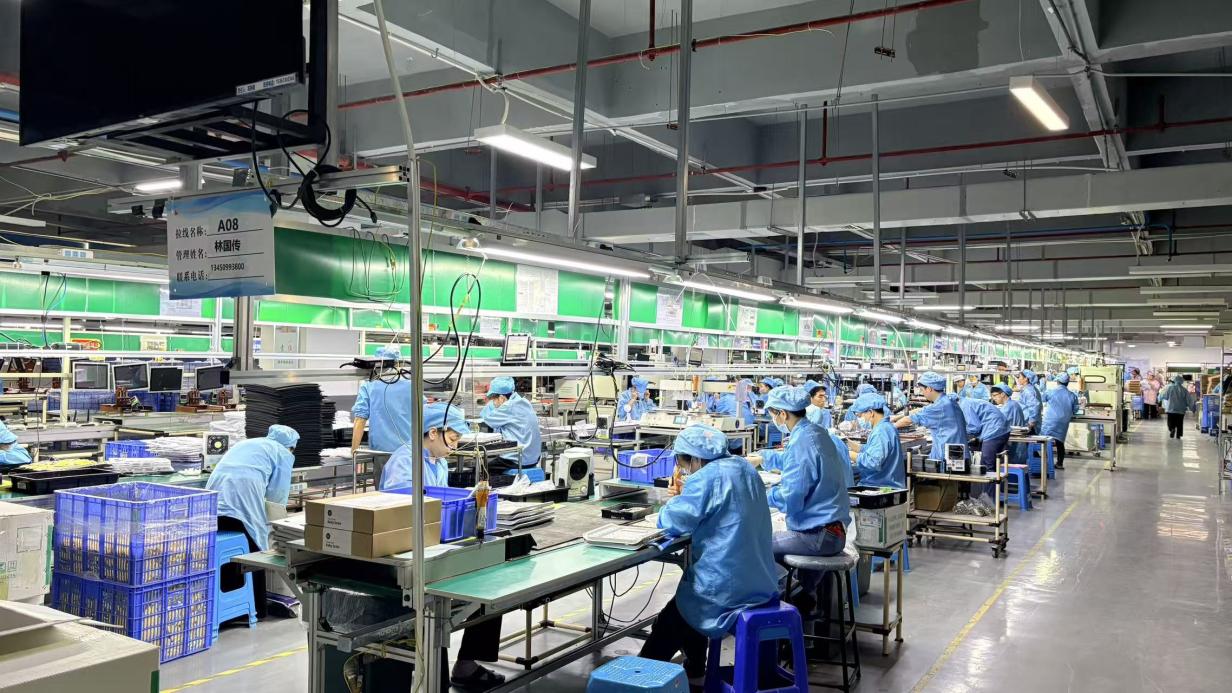
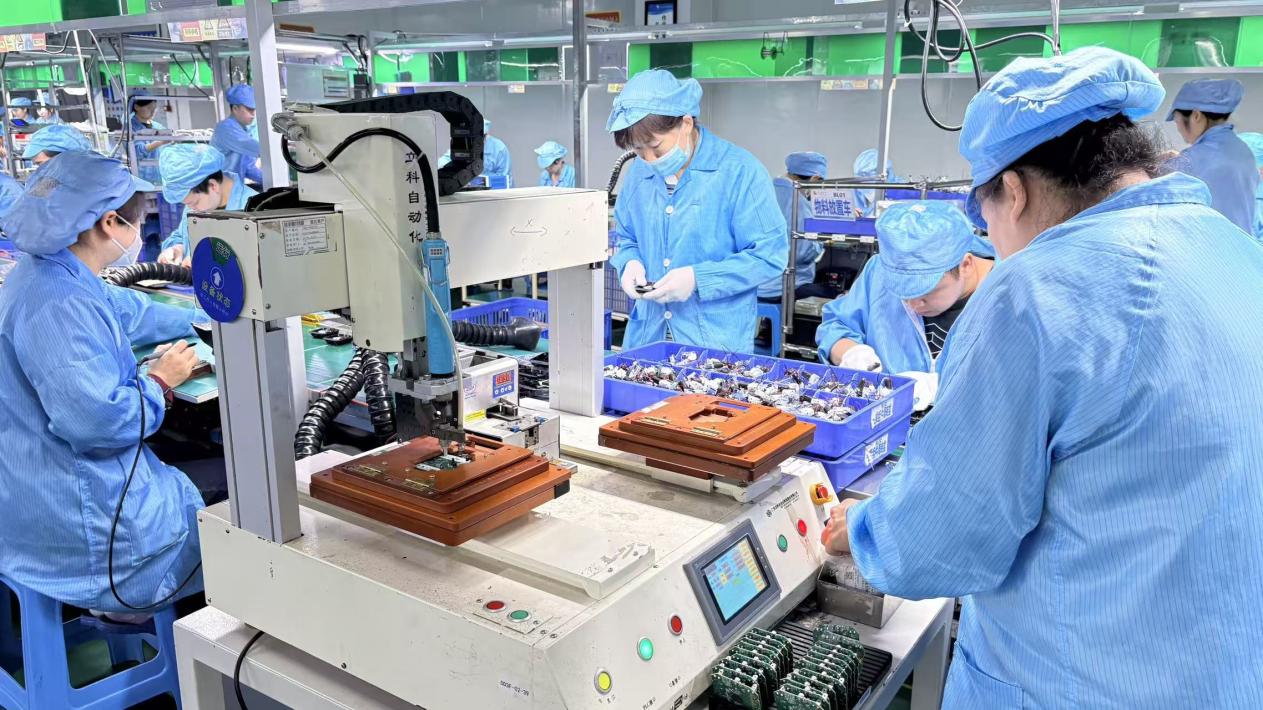
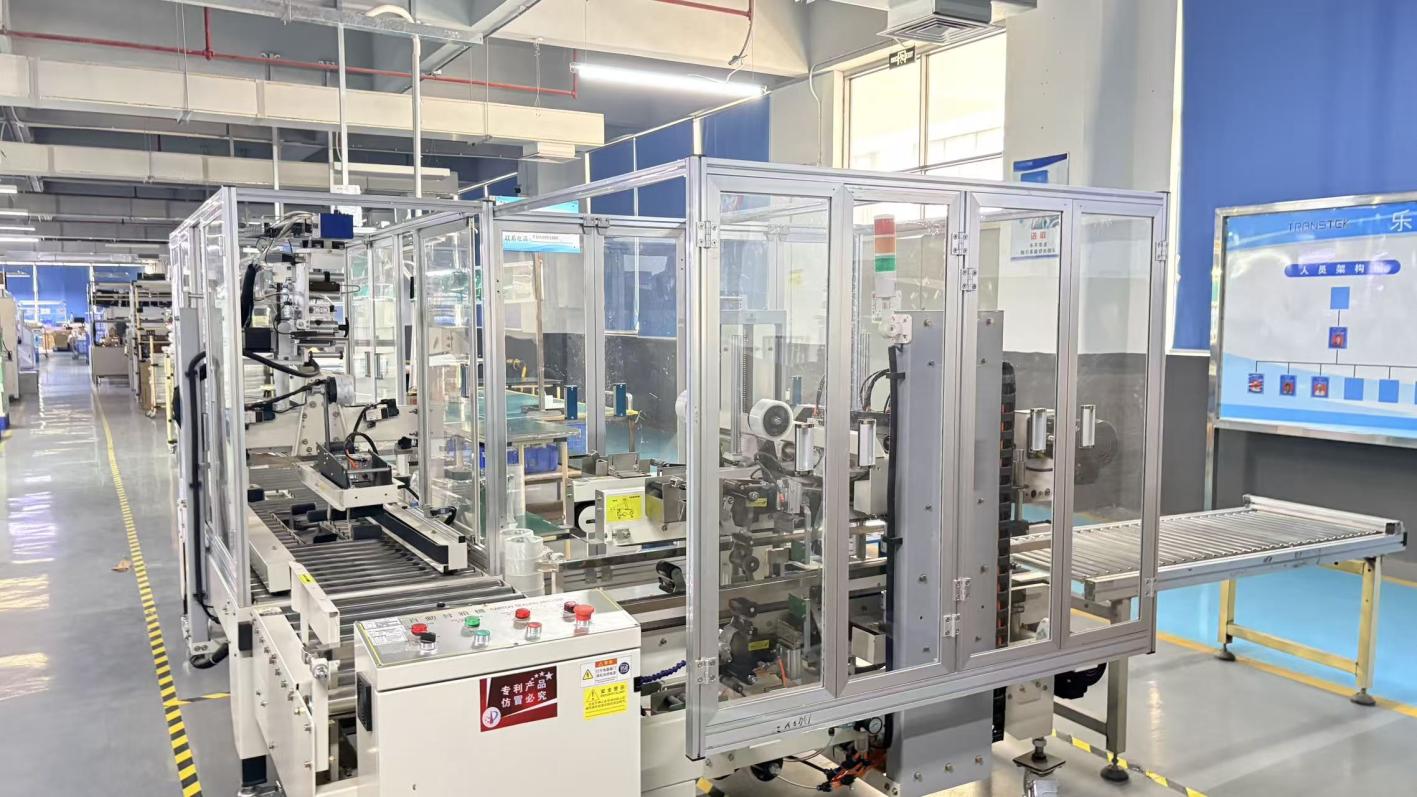
Our company operates a modern 20,000 sq ft manufacturing facility equipped with advanced production and testing systems. Certified under ISO 13485 quality management standards, all of our products comply with international medical regulations, with key products receiving FDA 510(k) clearance and CE certification.
Backed by an experienced R&D team and strict quality control processes, MaxPro Medical continuously develops accurate, user-friendly, and cost-effective medical solutions for chronic disease management, patient monitoring, rehabilitation, and home healthcare applications.
At MaxPro Medical, we uphold the core values of Quality First, Customer Focus, Innovation, Integrity, and Compliance. Our mission is to empower healthcare professionals with dependable medical technologies that improve patient outcomes and enhance healthcare efficiency worldwide.
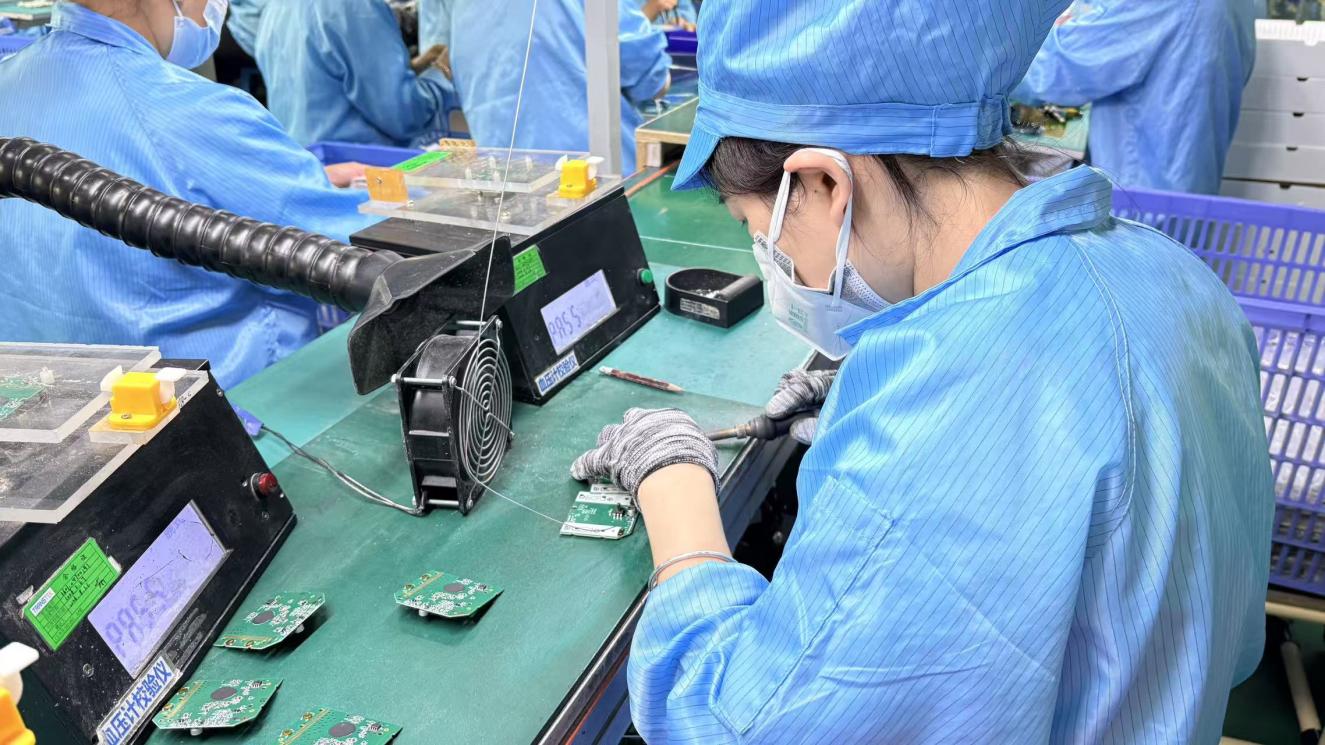
Our ISO 13485-certified facility utilizes advanced, automated assembly and inspection processes to guarantee reliability and performance for every device.
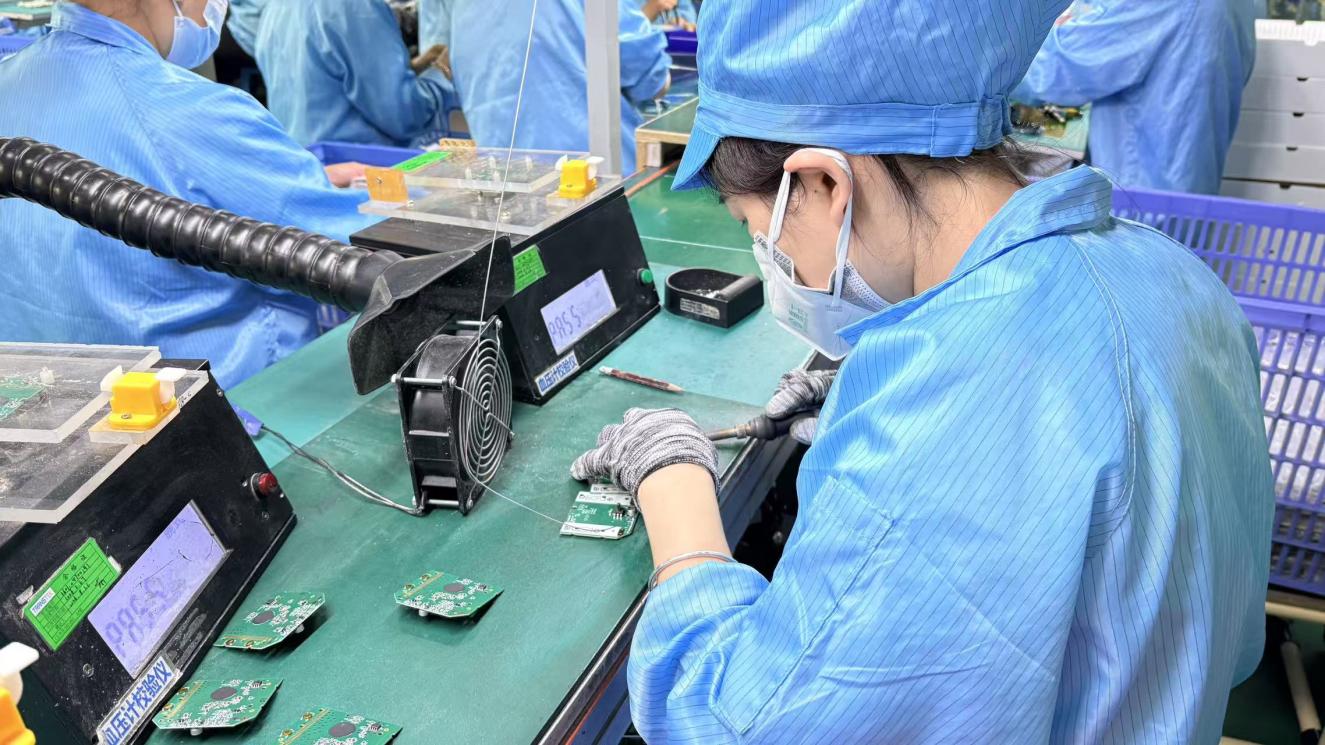
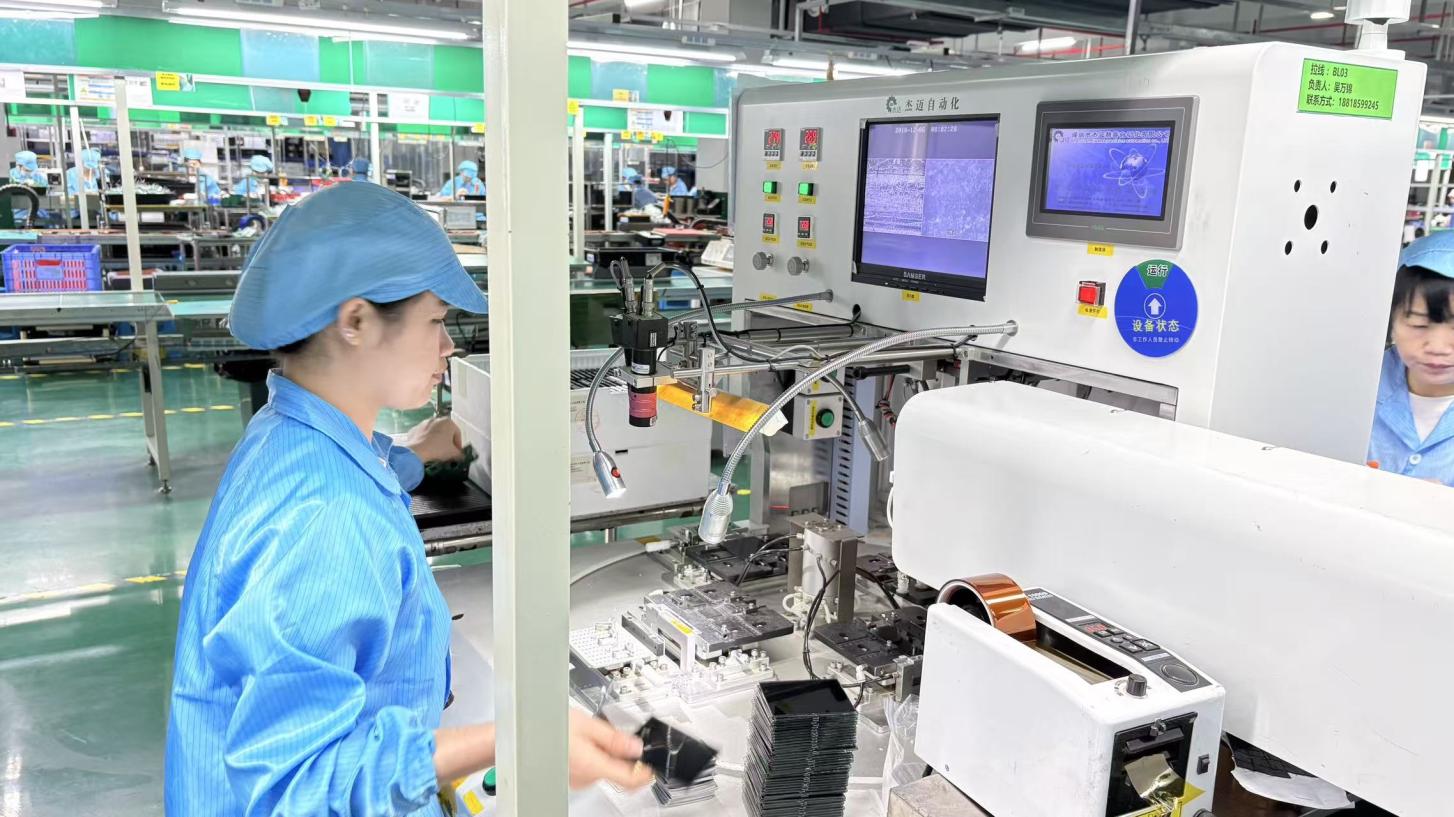
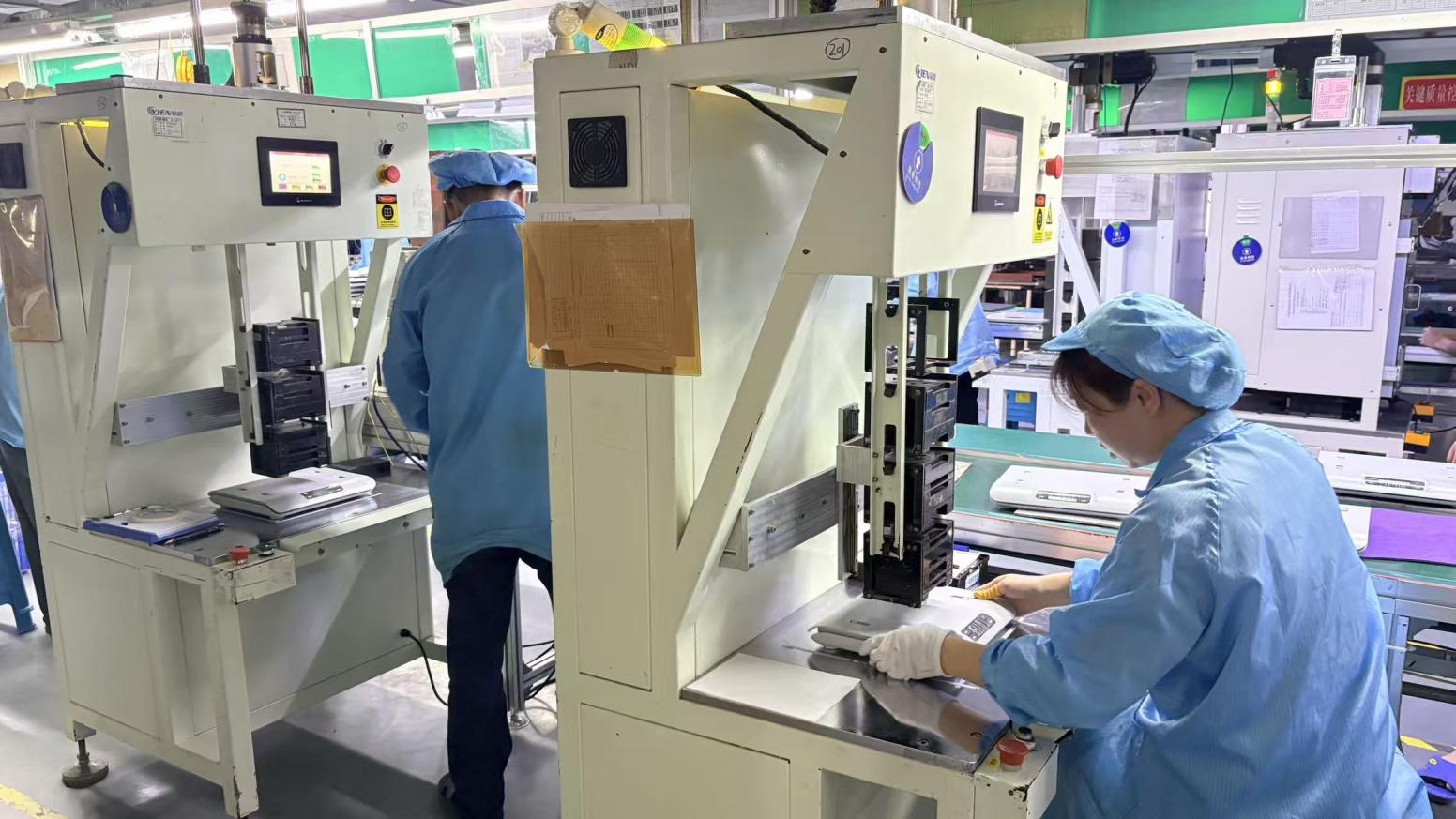
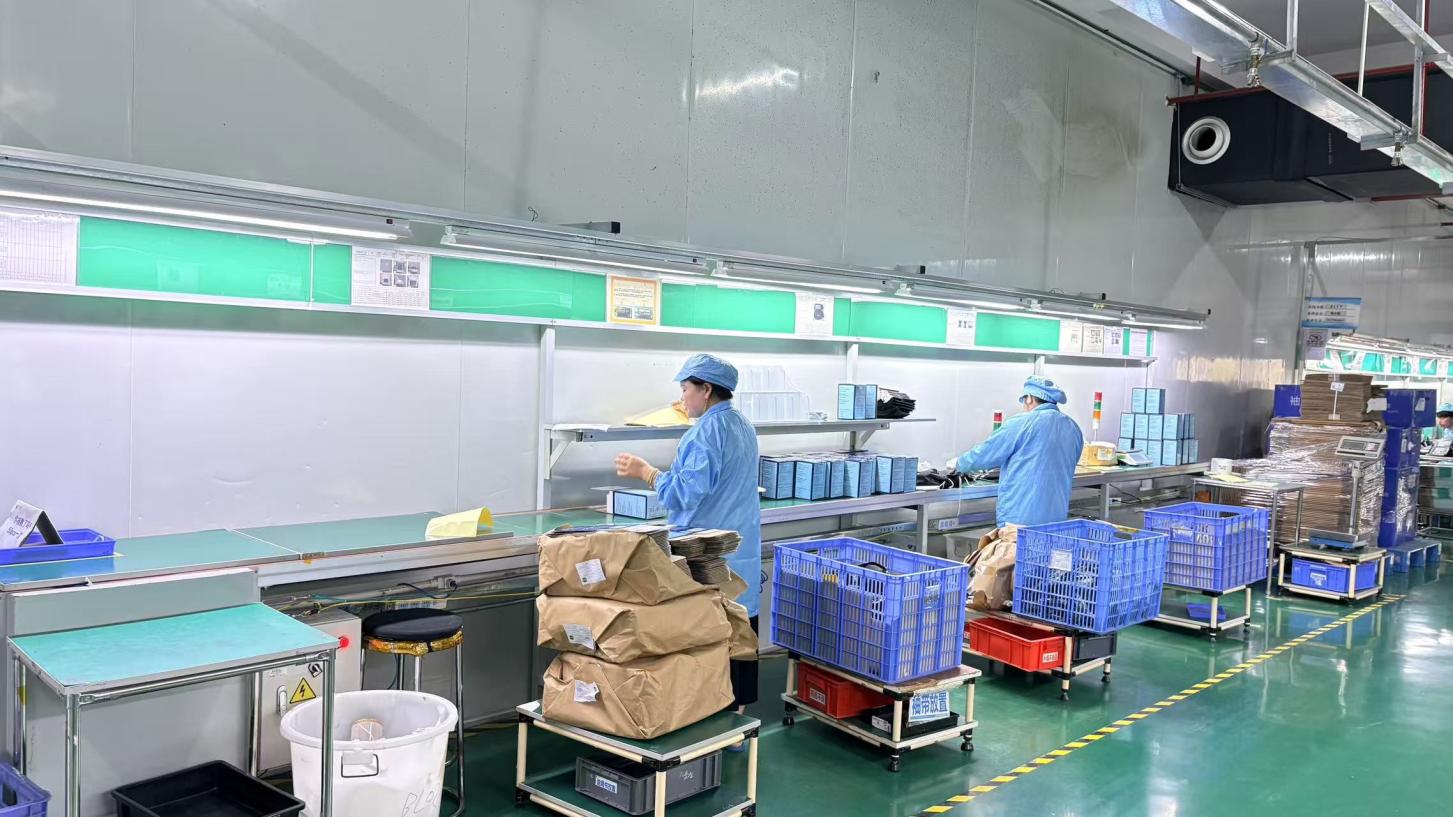

Integrating medical sensor matrices and monitoring systems to support healthcare initiatives across diverse environments.
Equipping critical care units, recovery wards, and general patient wings with advanced patient monitoring tools and capnography interfaces.
Providing user-friendly, highly accurate bio-sensing equipment to assist patients with home health management plans.
Supplying robust veterinary-specific patient monitors, pulse oximeters, and surgical capnometers configured for animal physiology.
Providing robust, easily operated emergency medical systems, including AEDs, to keep commercial, community, and public settings prepared.
Importing medical devices requires navigating detailed registration procedures, documentation requirements, and local product updates. We provide extensive compliance resources and localized support to help partners bring products to market quickly and safely.
Our technical team prepares structured regulatory dossiers (STED) in accordance with the International Medical Device Regulators Forum (IMDRF) guidelines. Whether submitting for US FDA 510(k), European CE MDR technical files, or local health authority permits, our documents are built to support smooth approval processes.
We provide comprehensive SDK integration resources, multi-language GUI files, and custom localized packaging options. This allows distributors to quickly adapt user interfaces, alarm systems, and instructional materials to their local regulatory frameworks.
Our commitment to R&D ensures our diagnostic, tracking, and recovery platforms remain aligned with the latest clinical technologies.
Our next generation of bio-sensing arrays will focus on multi-analyte continuous monitoring. We are developing patch sensors that measure glucose alongside lactate and ketones, giving rehabilitation professionals a clearer view of patient metabolic recovery in real time.
We are building predictive alert capabilities directly into our multi-vital patient monitors. By analyzing trends in respiratory rate, SpO2, and continuous capnography, our systems will help clinical staff identify potential patient distress before emergencies occur.
Aligned with global environmental initiatives, our hardware designs are incorporating bio-compatible, recyclable plastics and low-power sensor arrays to reduce environmental impact without sacrificing device lifespan or patient safety.
Find answers to common questions about international medical device procurement, quality standards, and OEM capabilities.
Our facility operates under an ISO 13485:2016 certified Quality Management System. Our products comply with various global standards, and key models hold FDA 510(k) clearance and CE certifications. We maintain full traceability for all raw components, from initial assembly steps to final device testing.
Yes, our R&D engineering team provides extensive OEM and ODM customization services. We support custom branding, physical housing redesigns, tailored user interfaces, and custom communication protocols to integrate our devices with your local EHR/HIS systems.
Every device undergoes multiple calibration and verification checks during assembly, including automated validation testing. For complex tools like continuous glucose monitors or capnography systems, we use precision testing simulators to ensure signal drift is kept well within clinical tolerances.
Standard OEM order lead times range between 30 to 45 days, depending on order size and customization requirements. For standard configurations, we maintain inventory levels to support shorter delivery timelines. Contact our sales department to discuss custom schedule arrangements.
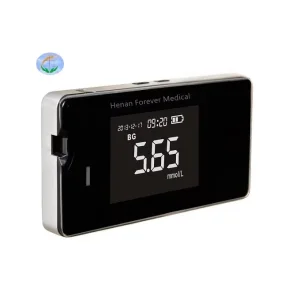
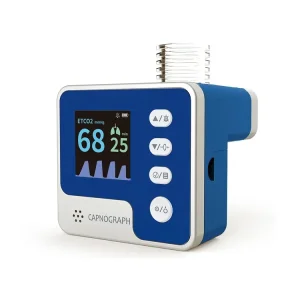
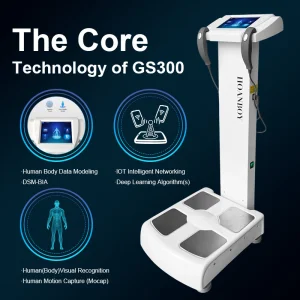
Explore our advanced diagnostic tools, including multiparameter blood analyzers, handheld capnography monitors, and high-precision body composition scales.