MaxPro Medical
MaxPro Medical
MaxPro Medical
In the modern era of healthcare, the Hemoglobin A1c (HbA1c) test has emerged as the definitive "gold standard" for managing and diagnosing Diabetes Mellitus. Unlike daily glucose readings which provide a snapshot of blood sugar at a single point in time, HbA1c provides a weighted average of blood glucose levels over the past 2 to 3 months. As the global diabetic population continues to rise, the demand for precision, speed, and accessibility in HbA1c testing has shifted the industry focus from centralized laboratories to decentralized Point-of-Care Testing (POCT) solutions.
Modern China-manufactured A1C testers utilize Boronate Affinity Chromatography, effectively eliminating interference from common hemoglobin variants (HbS, HbC, HbD, HbE).
The transition from 24-hour lab turnaround times to 3-5 minute POCT results empowers clinicians to make immediate therapeutic adjustments during a single patient visit.
Next-generation devices are equipped with Bluetooth and Wi-Fi, allowing seamless synchronization with Hospital Information Systems (HIS) and mobile health apps.
As a leading China Hemoglobin A1C Tester Manufacturer, we have observed three pivotal shifts in the market:
Founded in 2009, Shenzhen MaxPro Medical Co., Ltd. is a leading manufacturer specializing in advanced medical devices and chronic disease monitoring solutions. With a strong commitment to innovation, quality, and customer satisfaction, we provide reliable healthcare technologies to over 500 healthcare institutions and distributors worldwide.
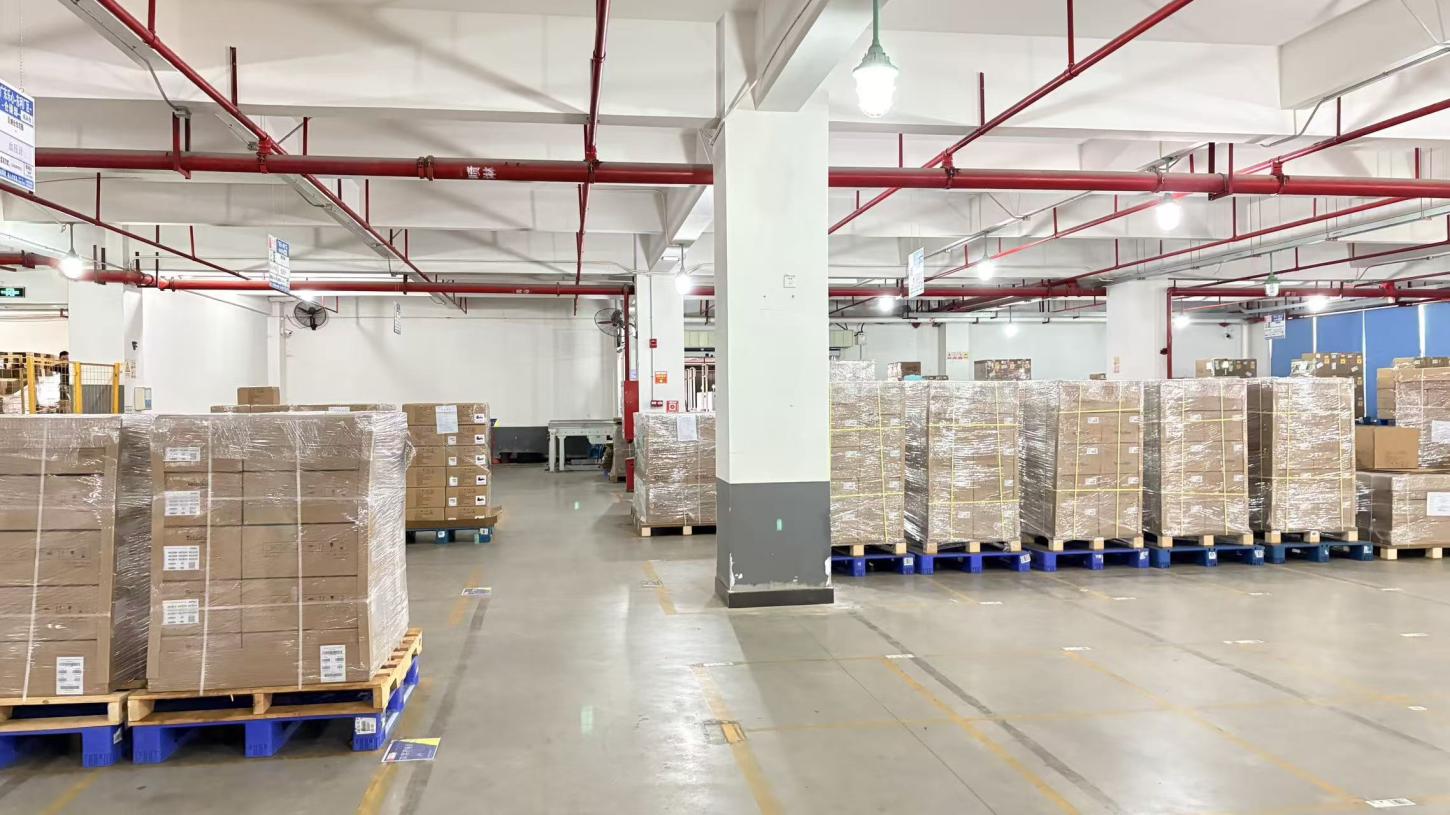
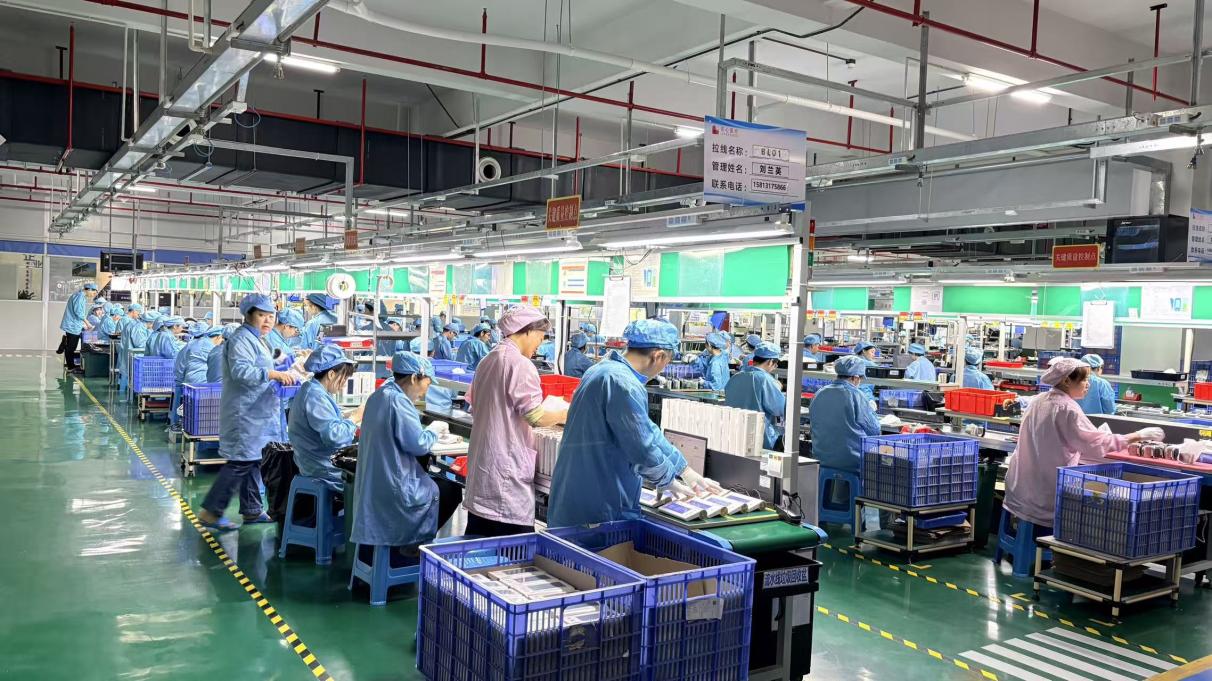
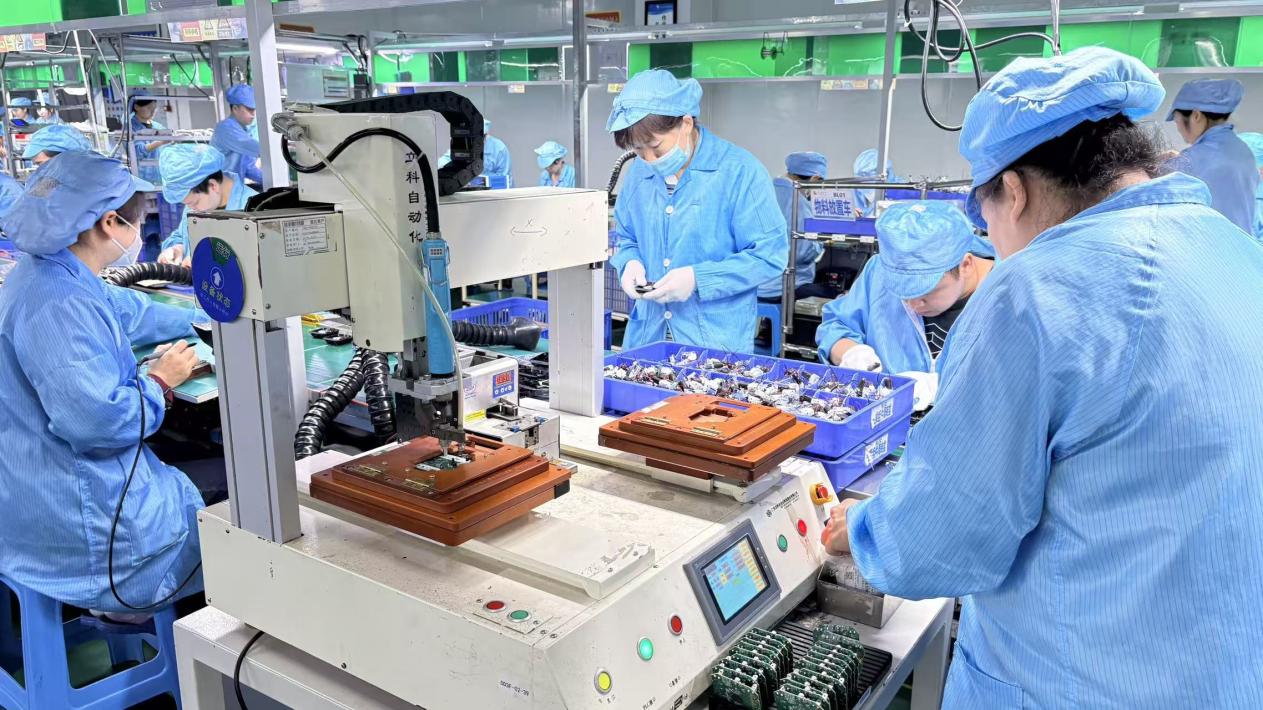
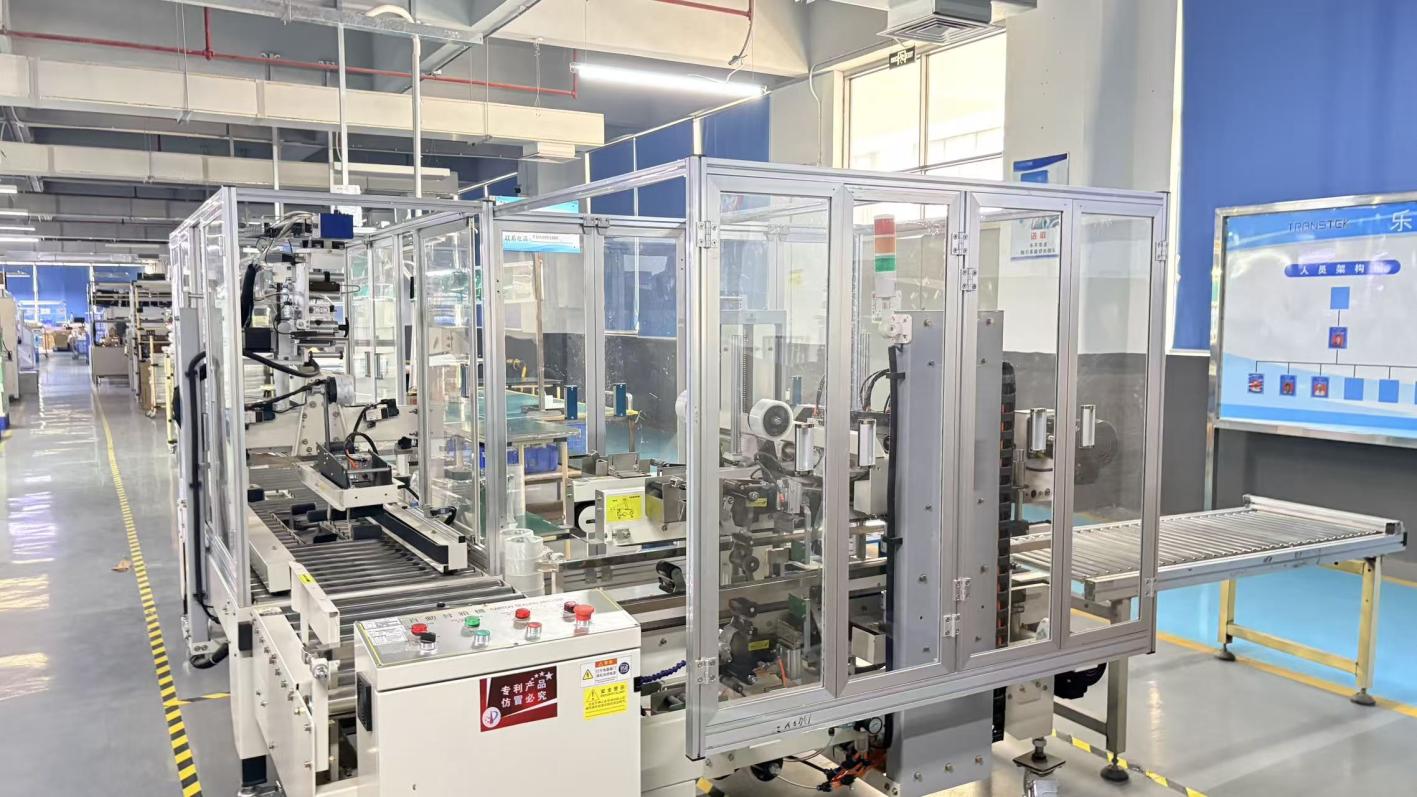
Our company operates a modern 20,000 sq ft manufacturing facility equipped with advanced production and testing systems. Certified under ISO 13485 quality management standards, all of our products comply with international medical regulations, with key products receiving FDA 510(k) clearance and CE certification.
Rigorous adherence to FDA, CE, and ISO standards ensures seamless market entry and patient safety across all jurisdictions.
Tailored engineering solutions from firmware localization to customized casing designs to meet specific brand requirements.
Vertical integration from raw material sourcing to final assembly ensures consistent delivery even during global logistics volatility.
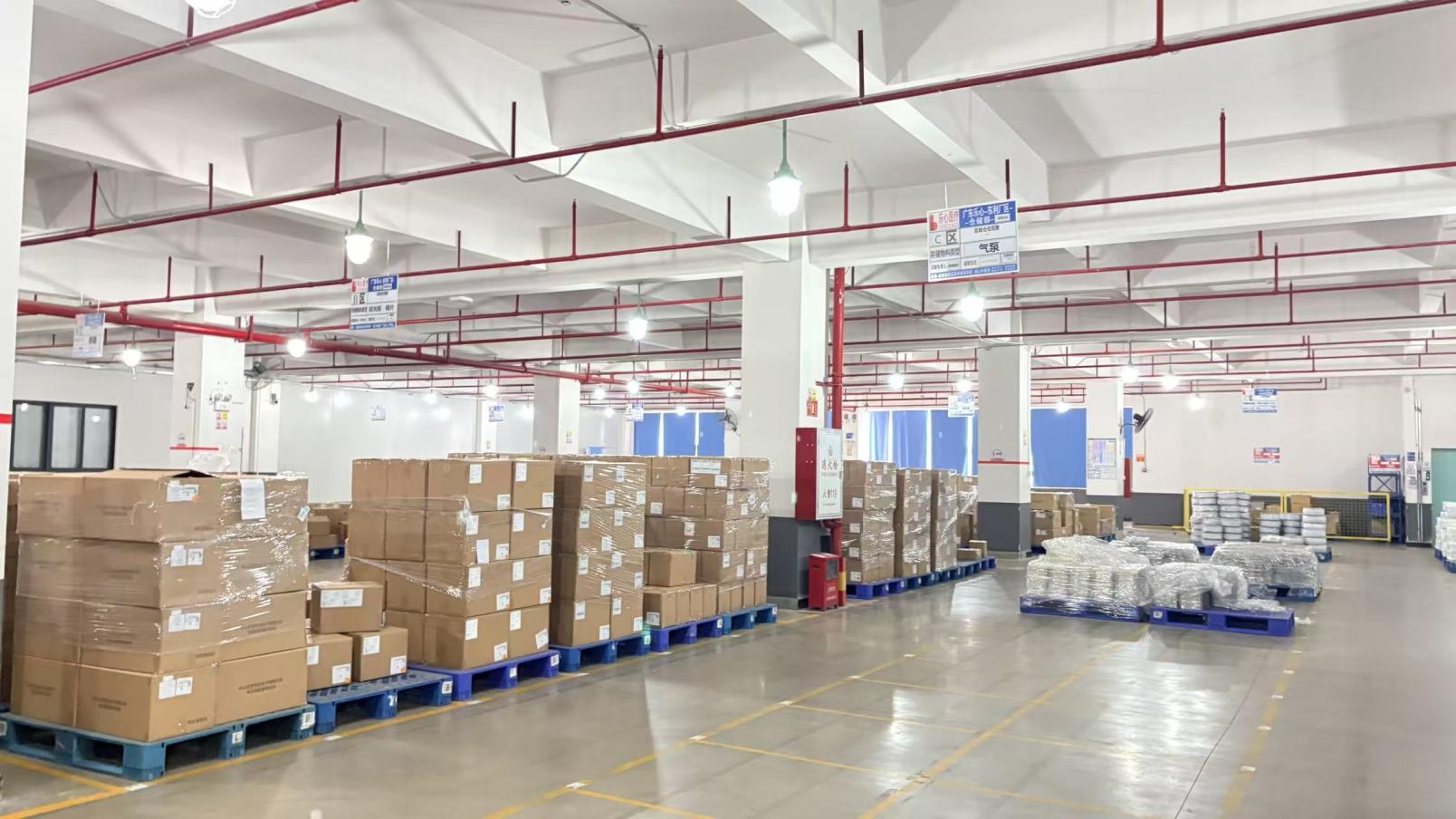
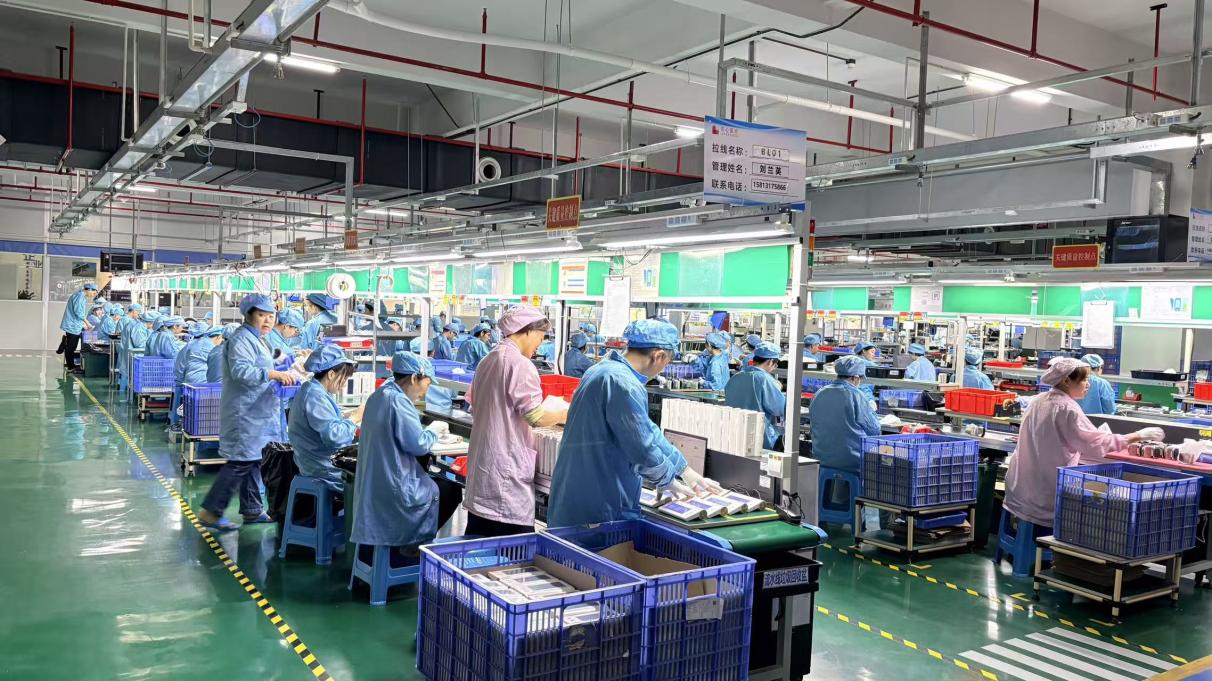
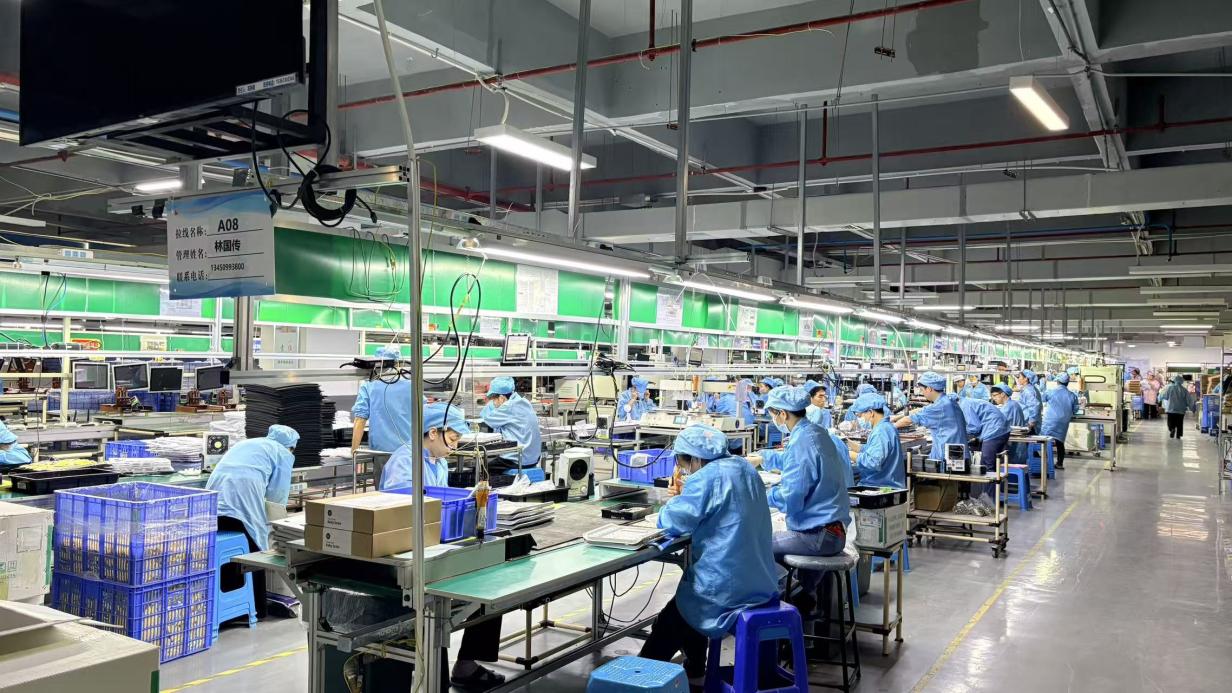
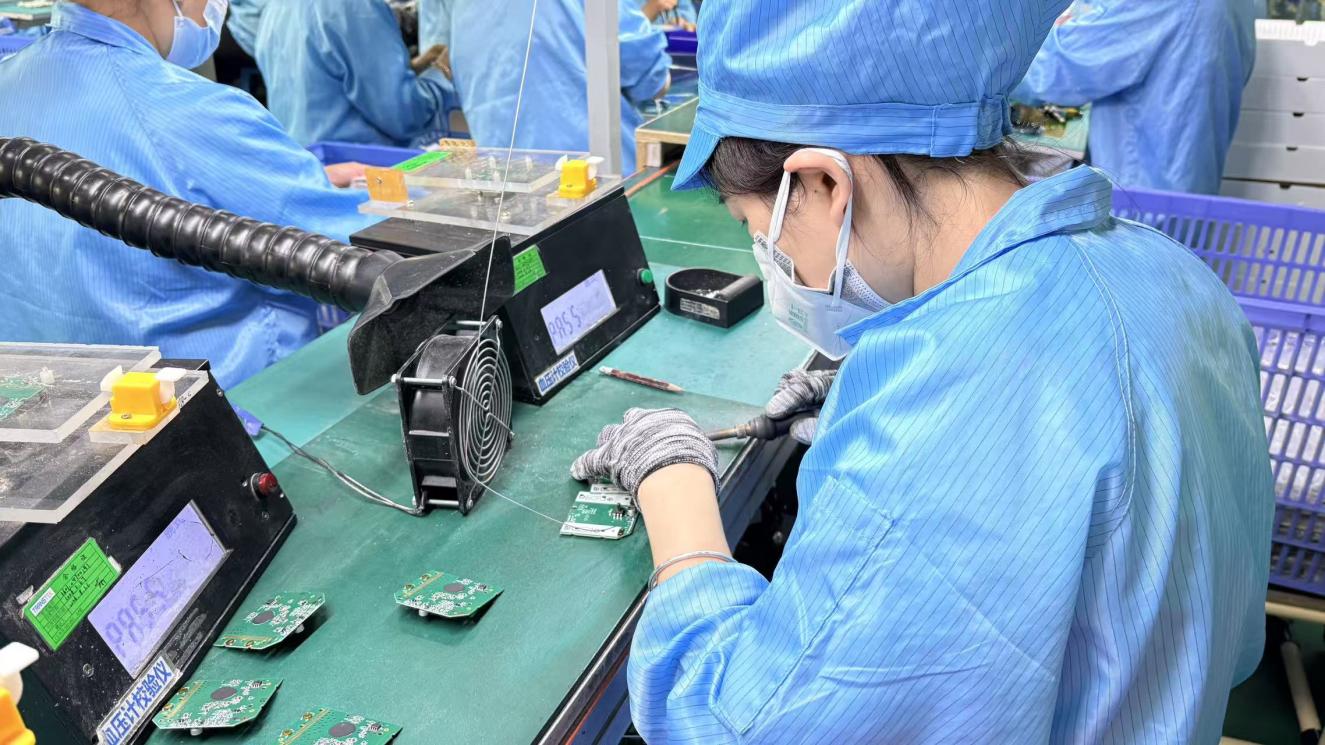
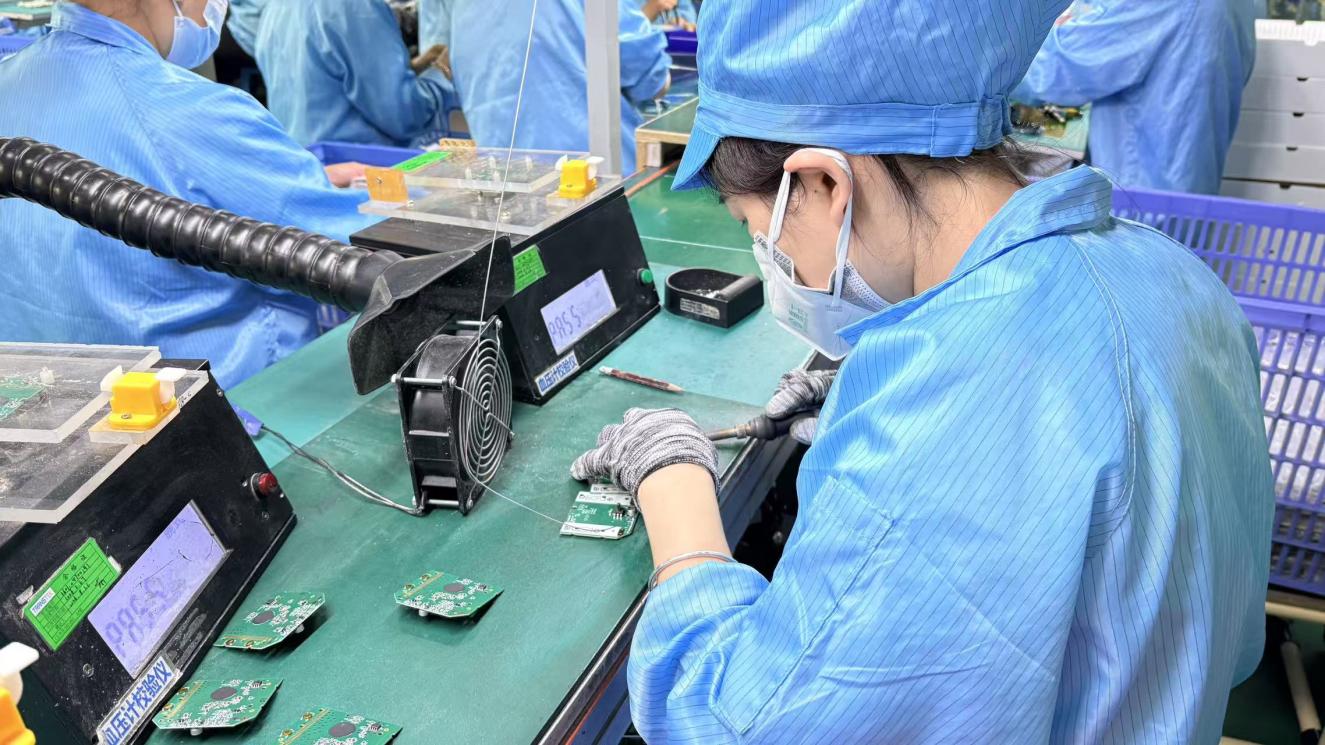
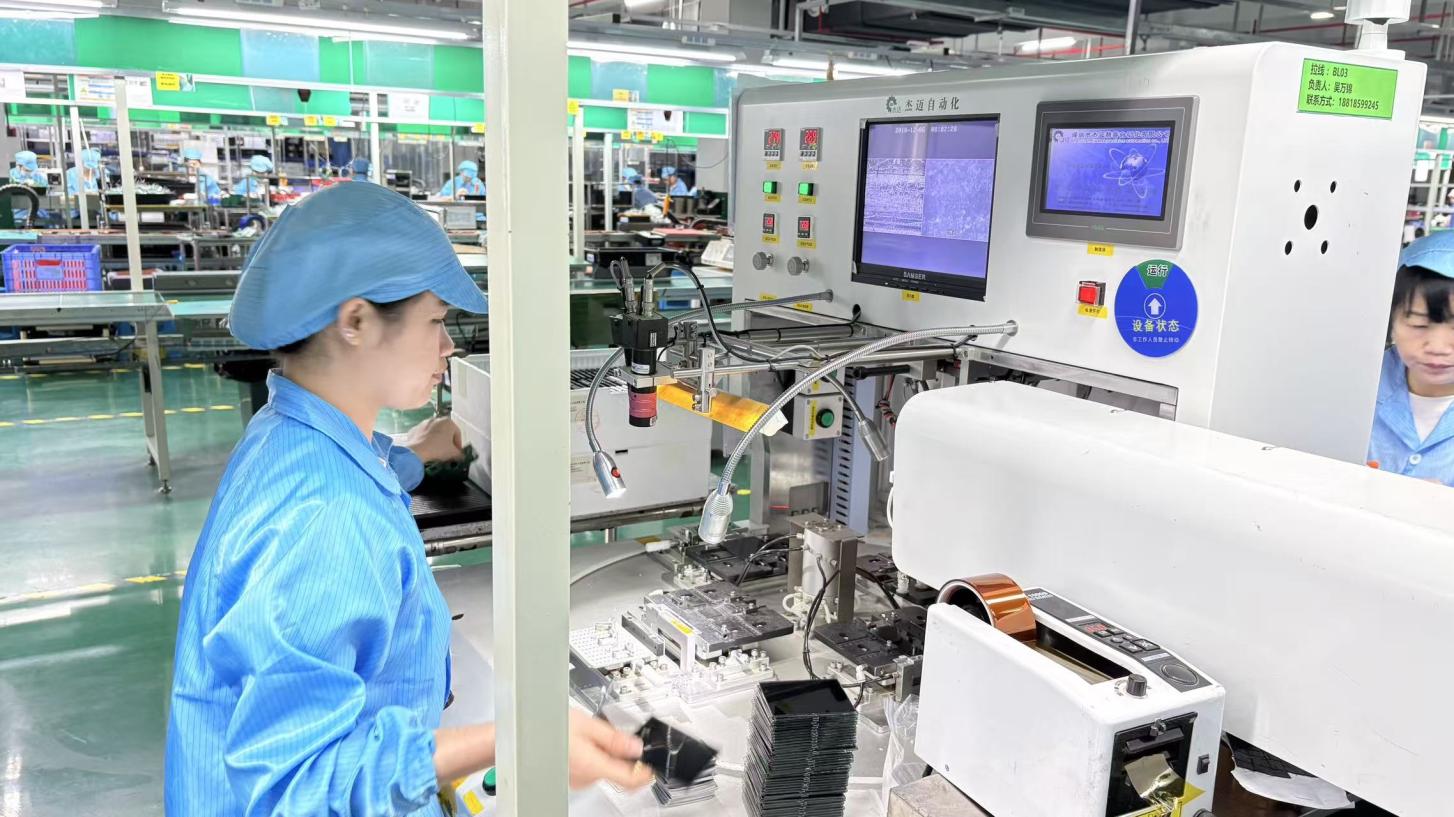
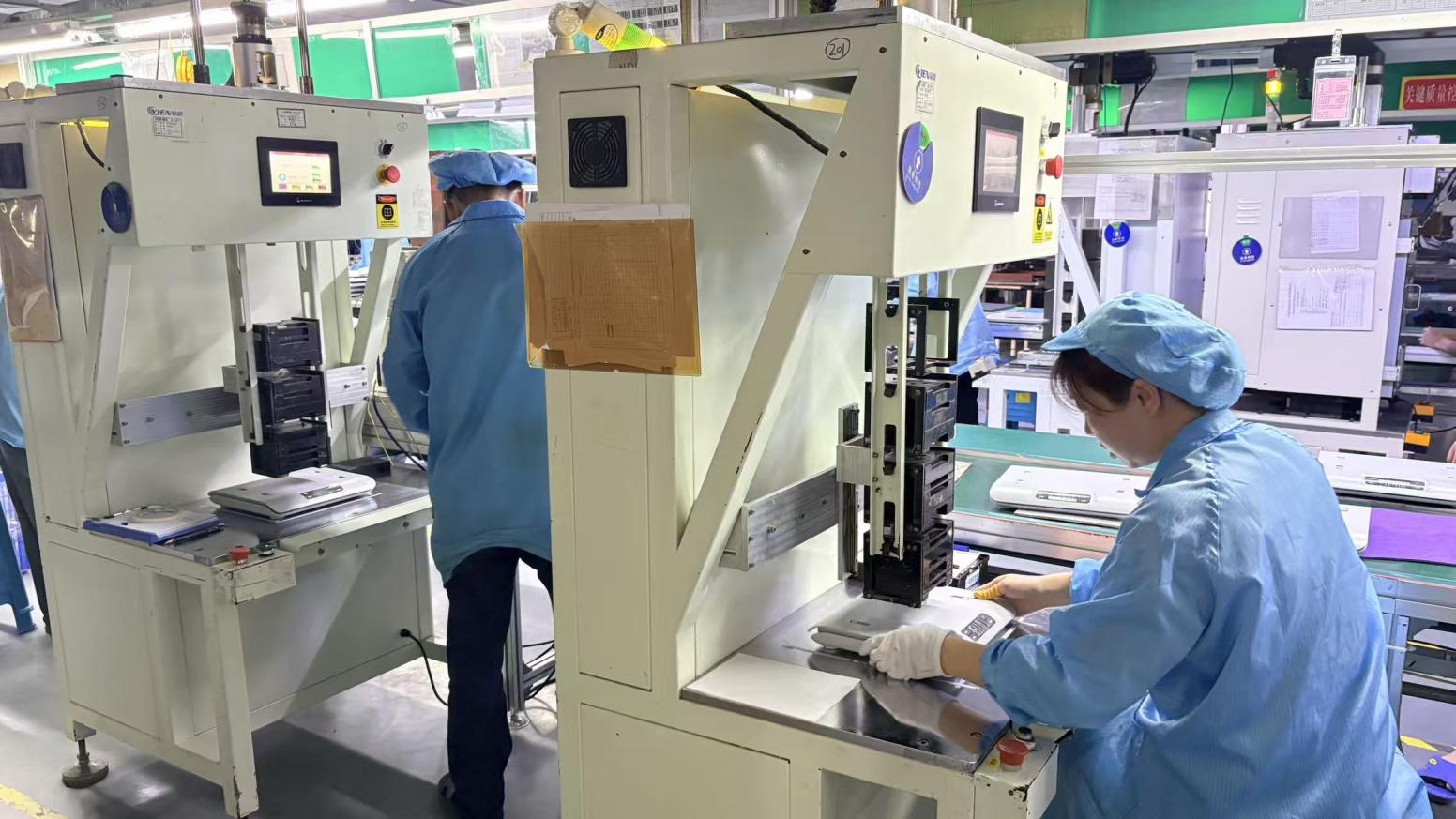
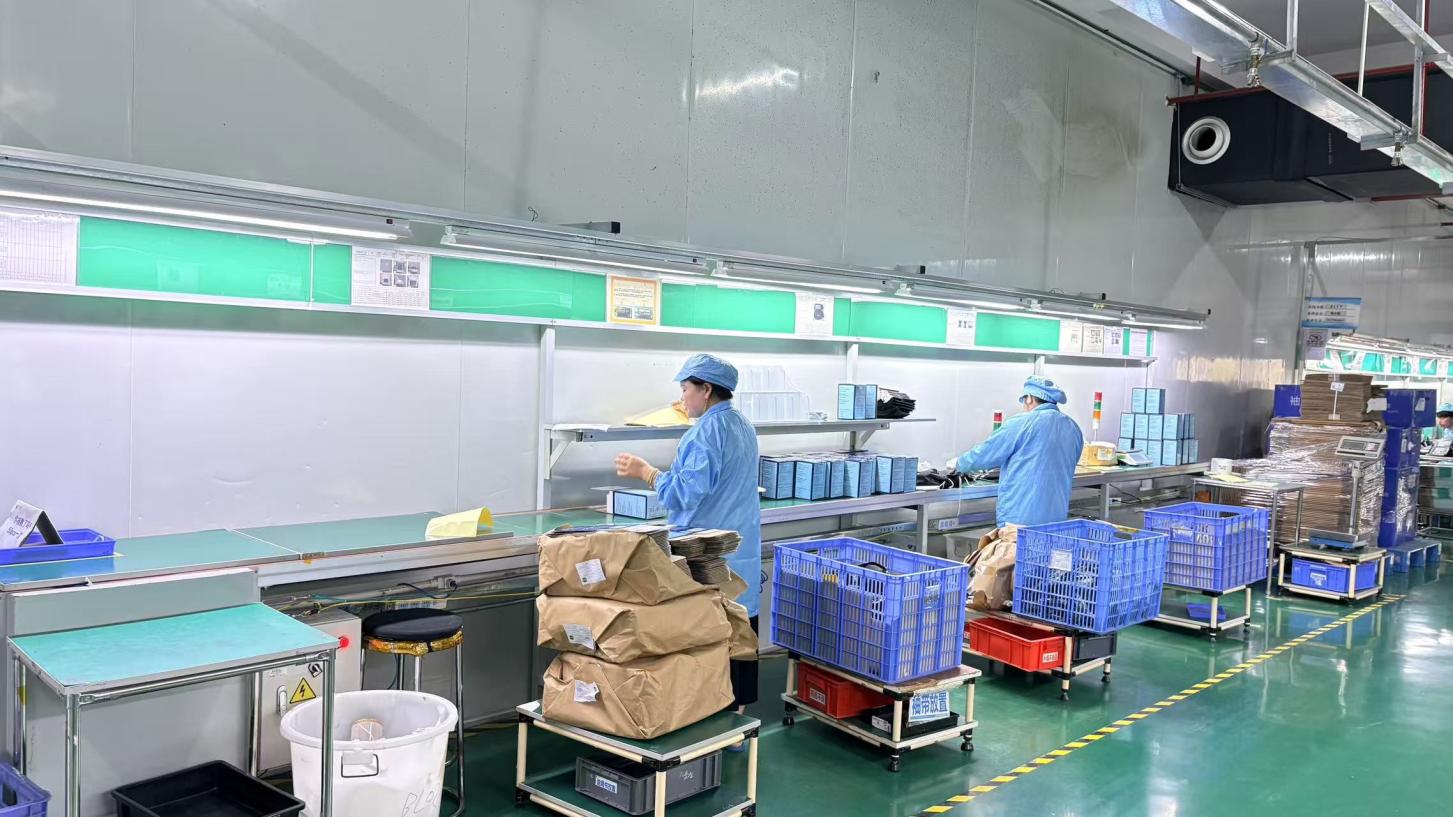
Our R&D division is focused on pushing the boundaries of what is possible in metabolic monitoring. By integrating Artificial Intelligence and advanced Biochemistry, we are moving toward a predictive healthcare model.
Developing next-gen reagent strips that maintain 99.9% accuracy in high-temperature and humid climates, critical for tropical and sub-tropical regions where diabetes prevalence is skyrocketing.
Implementing machine learning algorithms within the device firmware to identify trend patterns in HbA1c fluctuations, providing doctors with predictive insights into a patient's risk of complications.
Building a global data bridge where every MaxPro A1C tester can securely transmit data to a centralized telemedicine platform, enabling remote monitoring of rural populations by urban specialists.
We provide large-scale procurement packages for government health initiatives, including device subsidies and long-term reagent supply contracts to ensure sustainable screening programs.
Integration-ready solutions with HL7 protocols, allowing our testers to communicate directly with existing Electronic Health Records (EHR) without manual data entry errors.
Support for 15+ languages, localized units of measure (mmol/mol vs. %), and assistance with local Ministry of Health registration in over 40 countries.
A: Our systems maintain a Coefficient of Variation (CV) of less than 3%, which exceeds the standard requirements of the NGSP (National Glycohemoglobin Standardization Program) and IFCC.
A: While we recommend cool storage for maximum shelf life, our latest boronate affinity reagents are designed to be stable at room temperature for extended periods, facilitating easier transport.
A: Yes, our Boronate Affinity technology is specifically designed to minimize interference from common variants like HbS, HbC, and HbF, ensuring accurate results across diverse ethnic populations.
A: Standard OEM orders (custom logo/packaging) typically have a lead time of 4-6 weeks, while ODM projects involving hardware changes are subject to development timelines discussed during the prototyping phase.
A: Absolutely. Our devices feature USB, Bluetooth, and optional Wi-Fi connectivity, supporting standard protocols for seamless integration with Laboratory Information Systems (LIS) and Hospital Information Systems (HIS).