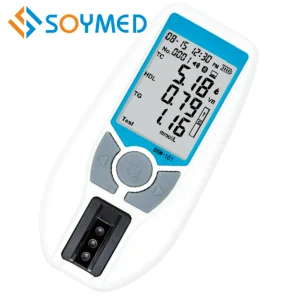
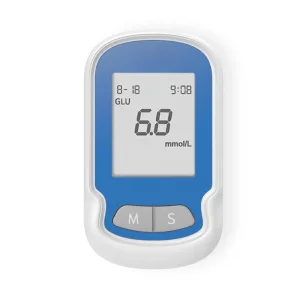
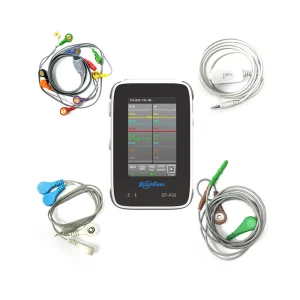
MaxPro Medical
MaxPro Medical
MaxPro Medical
Enhancing clinical outcome accuracy and diagnostic integration within advanced hospital transfers and patient lift environments.
In the modern clinical environment, patient handling safety is paramount. Patient Lift Systems, including overhead ceiling lifts, mobile transfer lifts, sit-to-stand aids, and ergonomic sling systems, form the backbone of modern clinical risk mitigation. As hospitals and long-term care facilities face rising rates of patient immobility, the demand for high-reliability medical lift solutions has surged.
The engineering of patient lift systems is no longer limited to basic mechanical hoists. Modern medical standards require the integration of advanced smart diagnostics, digital weight sensing, battery management telemetry, and precise electric actuator control. This ensures smooth, dignified patient transfers while minimizing the risk of musculoskeletal disorders (MSDs) in healthcare workers, creating a highly reliable interface between nurse, patient, and machine.
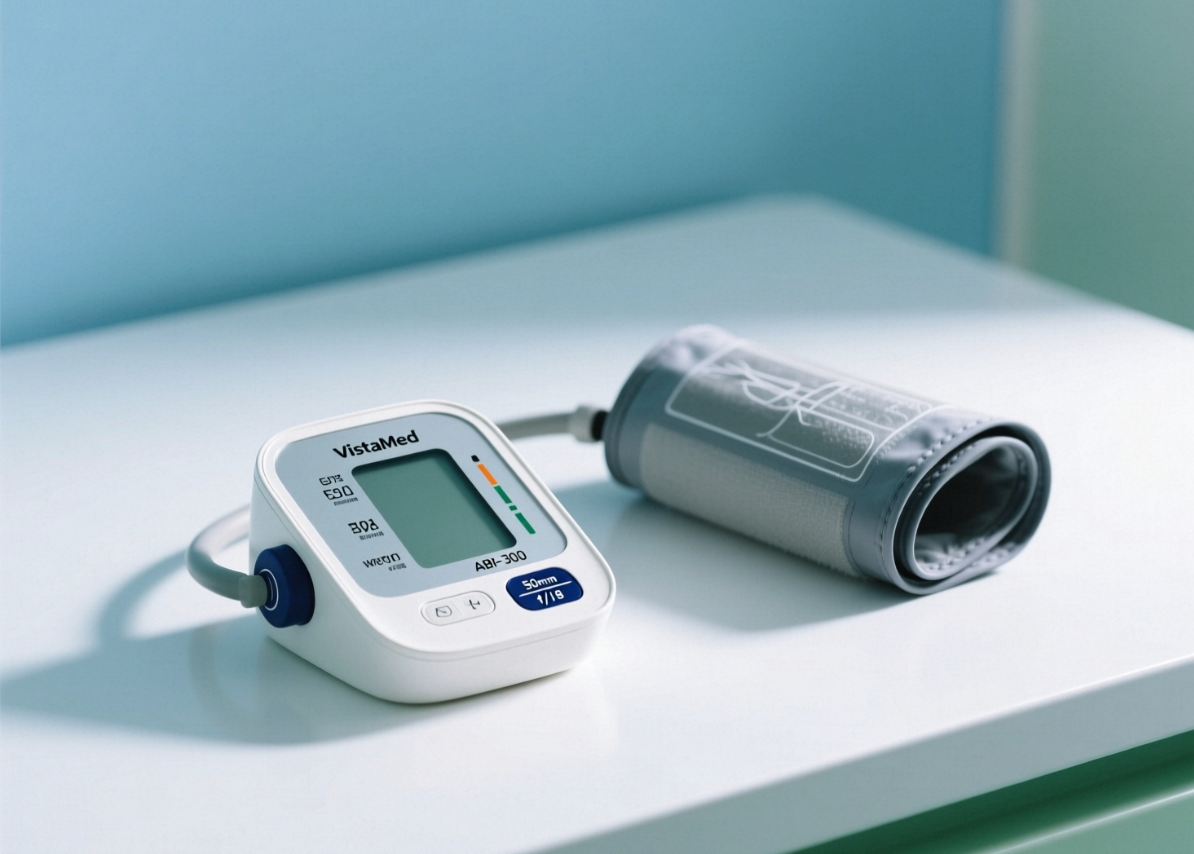
A leading force in medical device engineering, chronic disease monitoring, and holistic patient mobility solutions.
Founded in 2009, Shenzhen MaxPro Medical Co., Ltd. is a leading manufacturer specializing in advanced medical devices, patient handling interfaces, and chronic disease monitoring solutions. We provide reliable healthcare technologies to over 500 healthcare institutions and distributors worldwide.
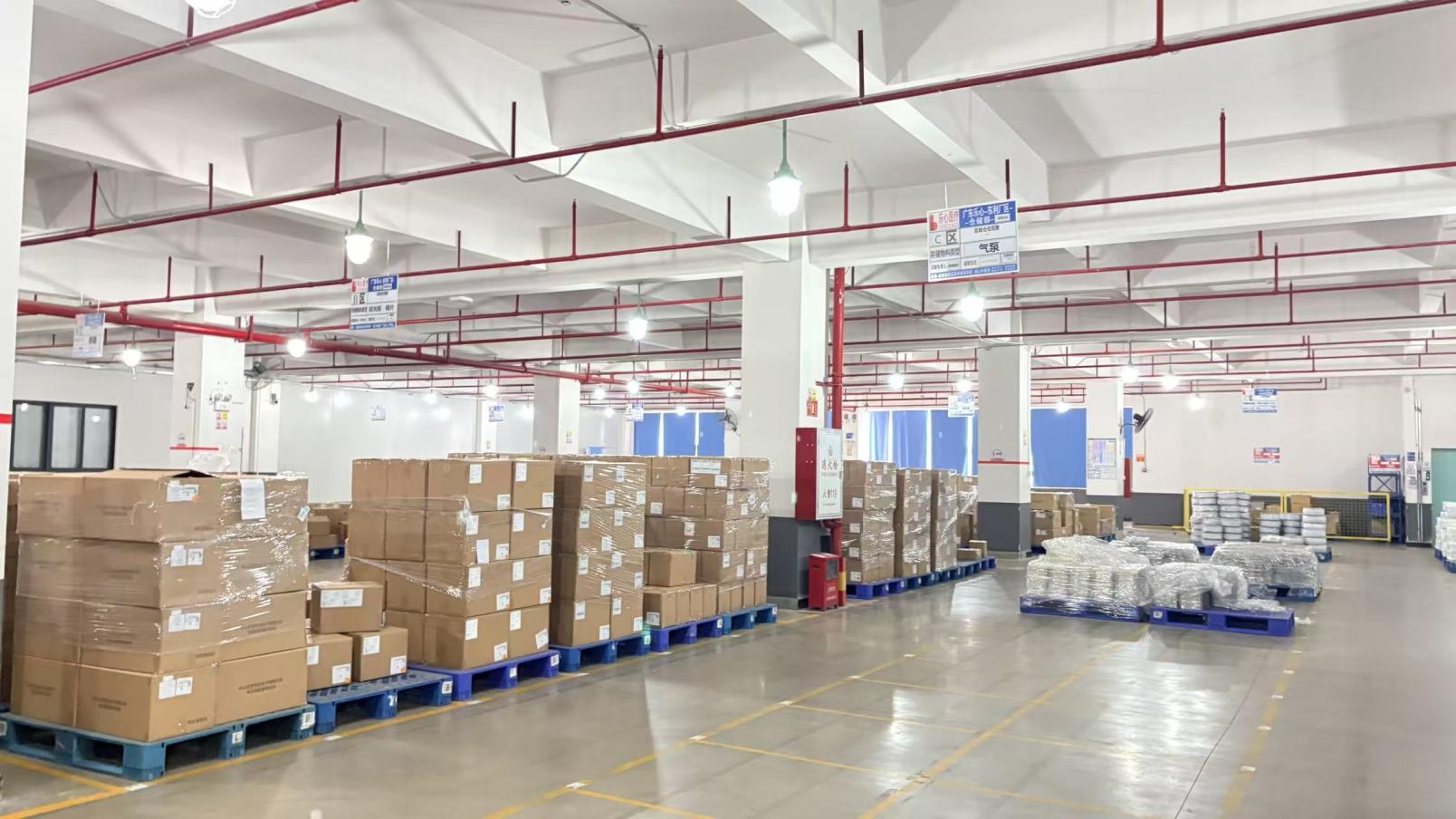
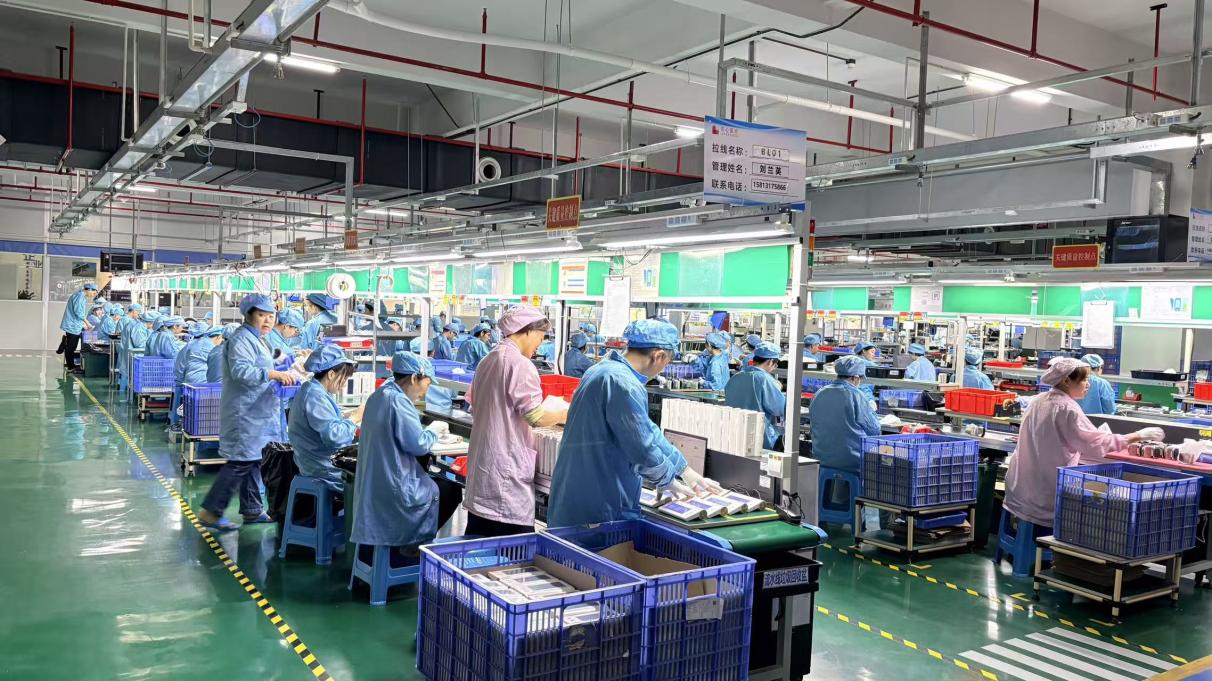
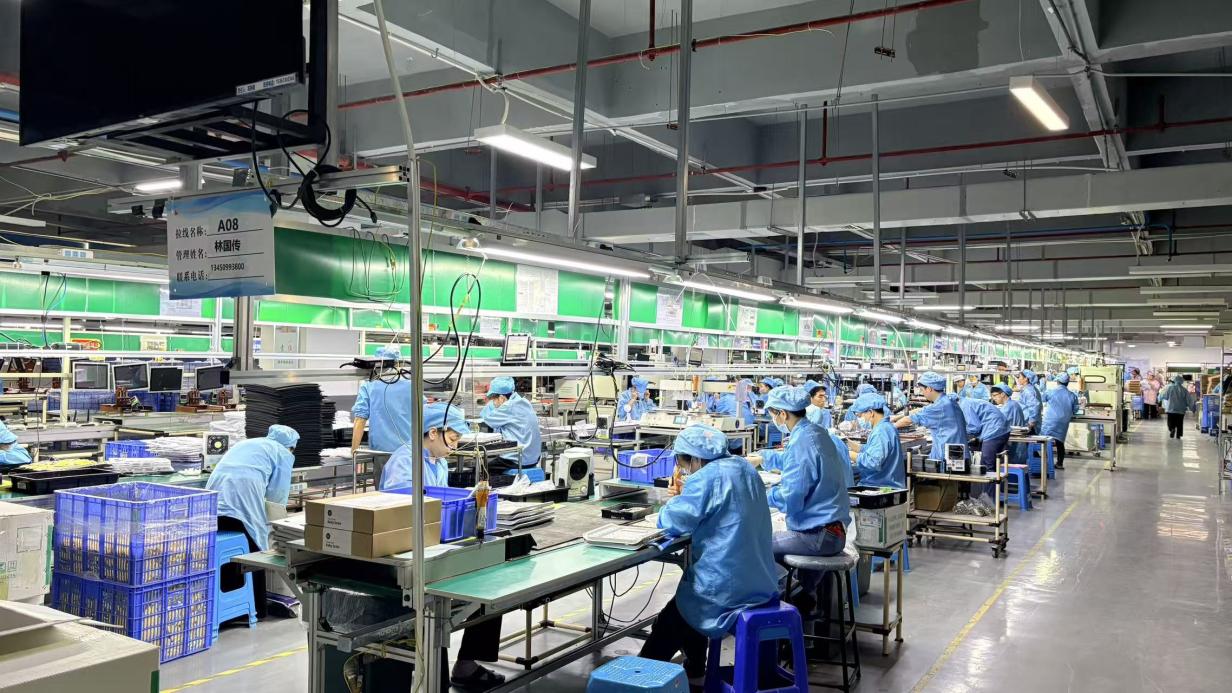
Our company operates a modern 20,000 sq ft manufacturing facility equipped with advanced production and testing systems. Certified under ISO 13485 quality management standards, all of our products comply with international medical regulations, with key products receiving FDA 510(k) clearance and CE certification.
Backed by an experienced R&D team and strict quality control processes, MaxPro Medical continuously develops accurate, user-friendly, and cost-effective medical solutions for chronic disease management, patient monitoring, rehabilitation, and home healthcare applications.
China's medical device manufacturing sector offers unparalleled advantages to global procurement managers of patient lift systems. Leveraging localized high-precision engineering clusters in Shenzhen and surrounding industrial zones, Chinese manufacturers successfully integrate mechanical fabrication (heavy-duty structural steel, lightweight medical-grade aluminum) with advanced electronics (actuators, controllers, battery management, wireless telemetry).
Cost-to-Value Leadership: By streamlining structural assembly, automated welding, and electronic component integration within a single geographical region, Chinese factories reduce lead times by up to 40% compared to Western manufacturers.
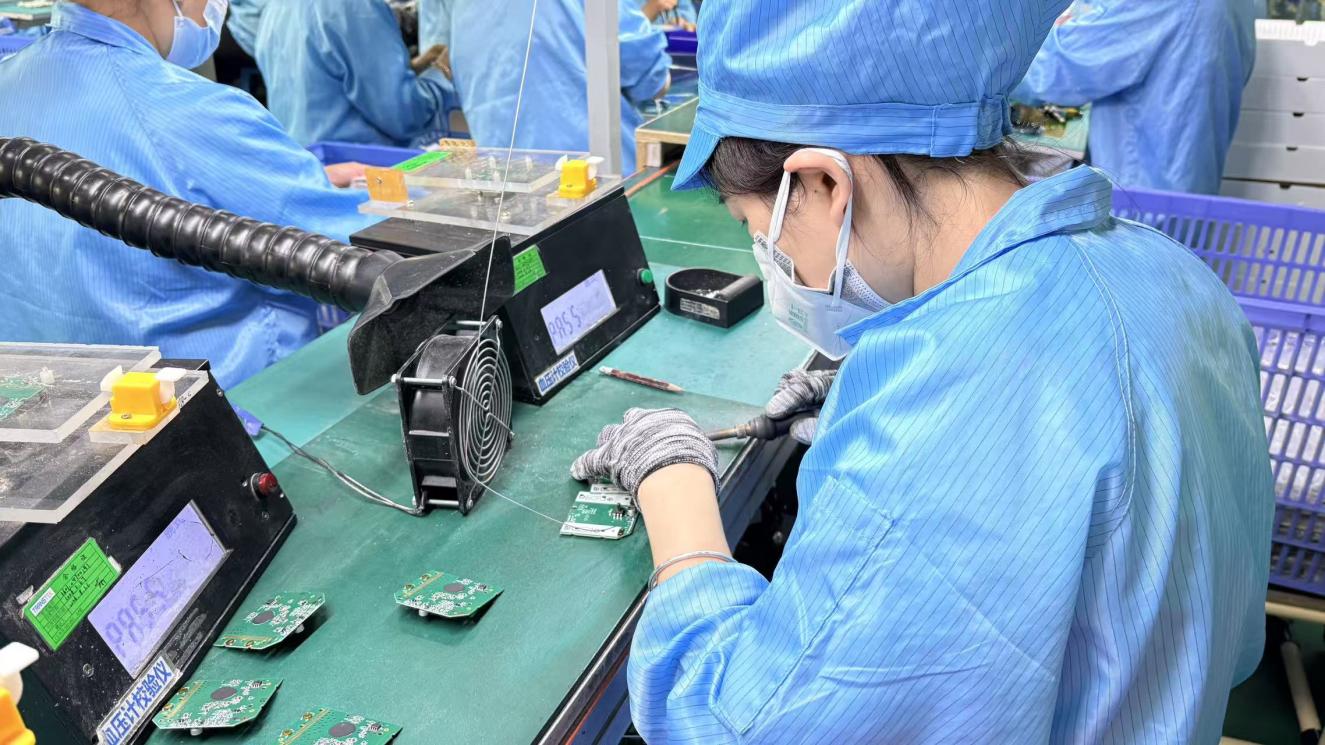
Rigorous Regulatory Alignment: Leading manufacturers utilize advanced CNC machining, robotic welding, and inline electronic load cell calibration to ensure compliance with the ISO 10535 standard (the global reference standard for hoist equipment for the transfer of disabled persons).
The integration of mechanical load bearing with intelligent electronics yields superior performance at scale.
Inside our ISO 13485 certified facility: How MaxPro Medical ensures the highest safety standards from raw materials to final packaging.
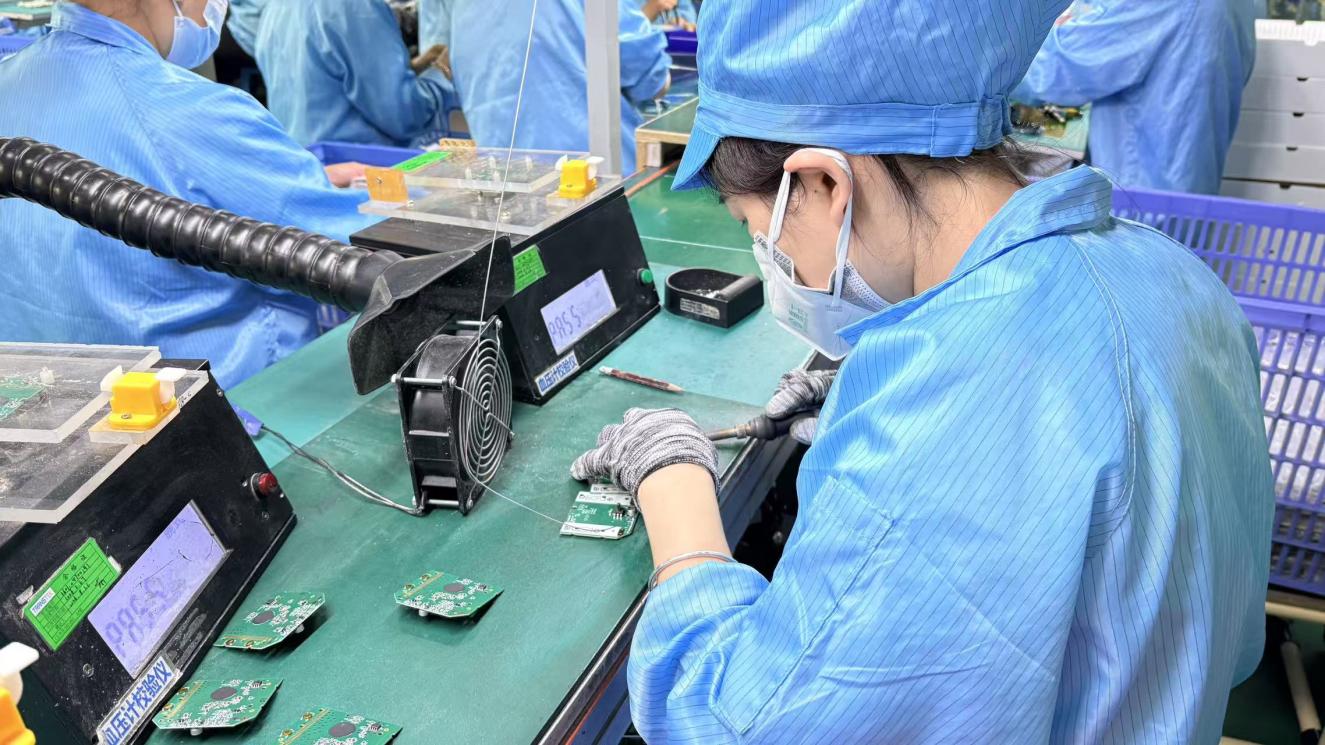
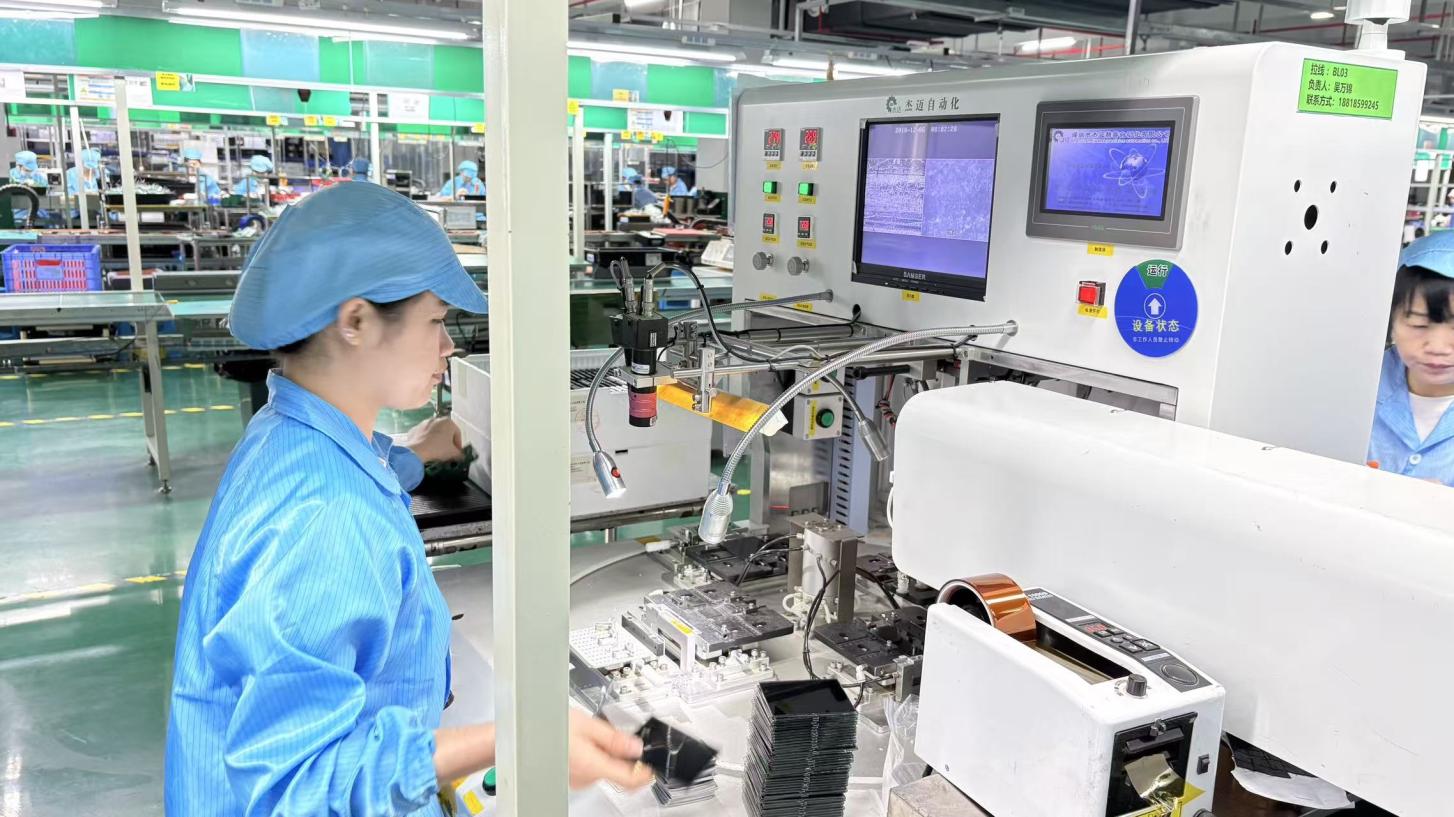
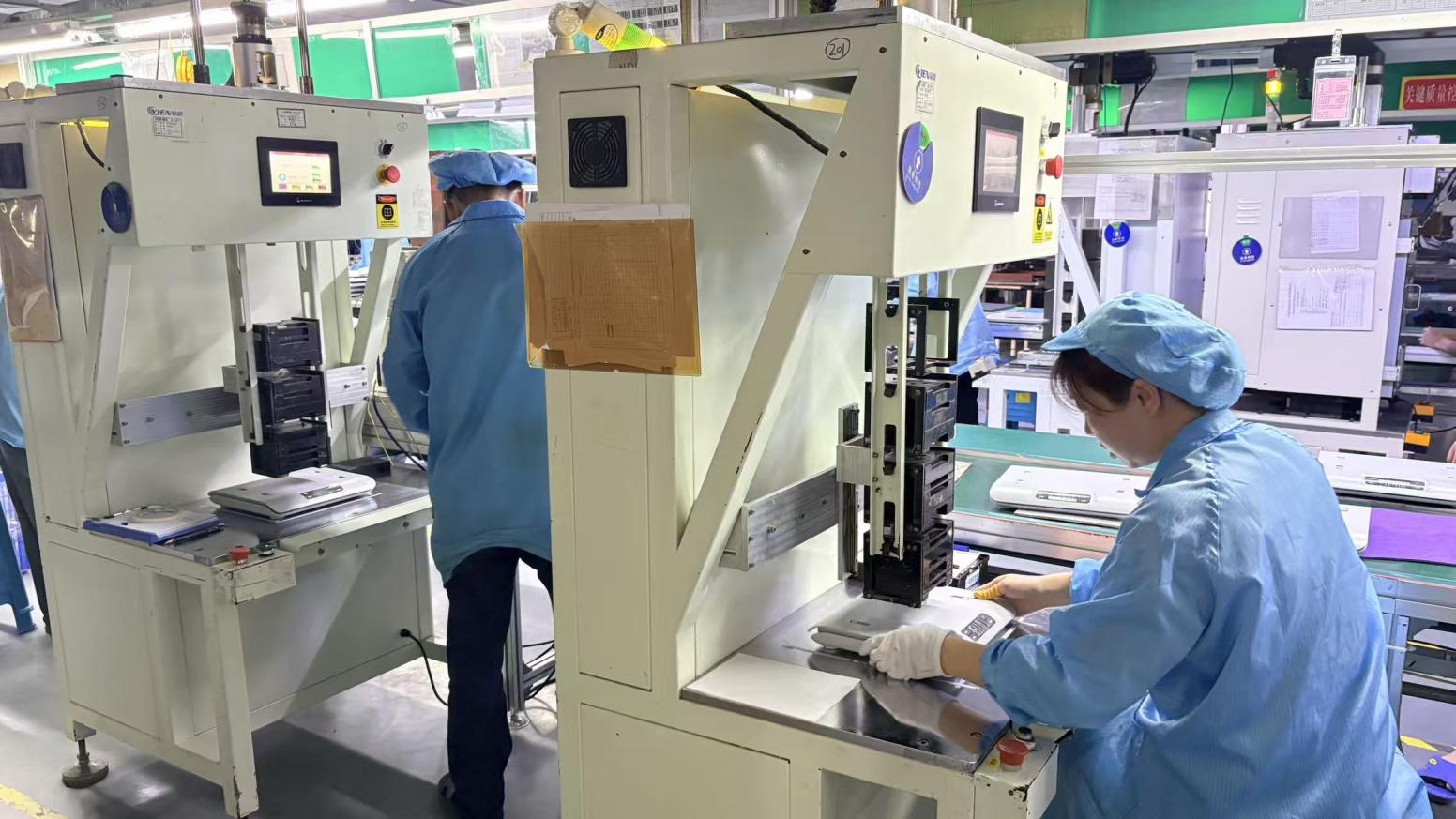
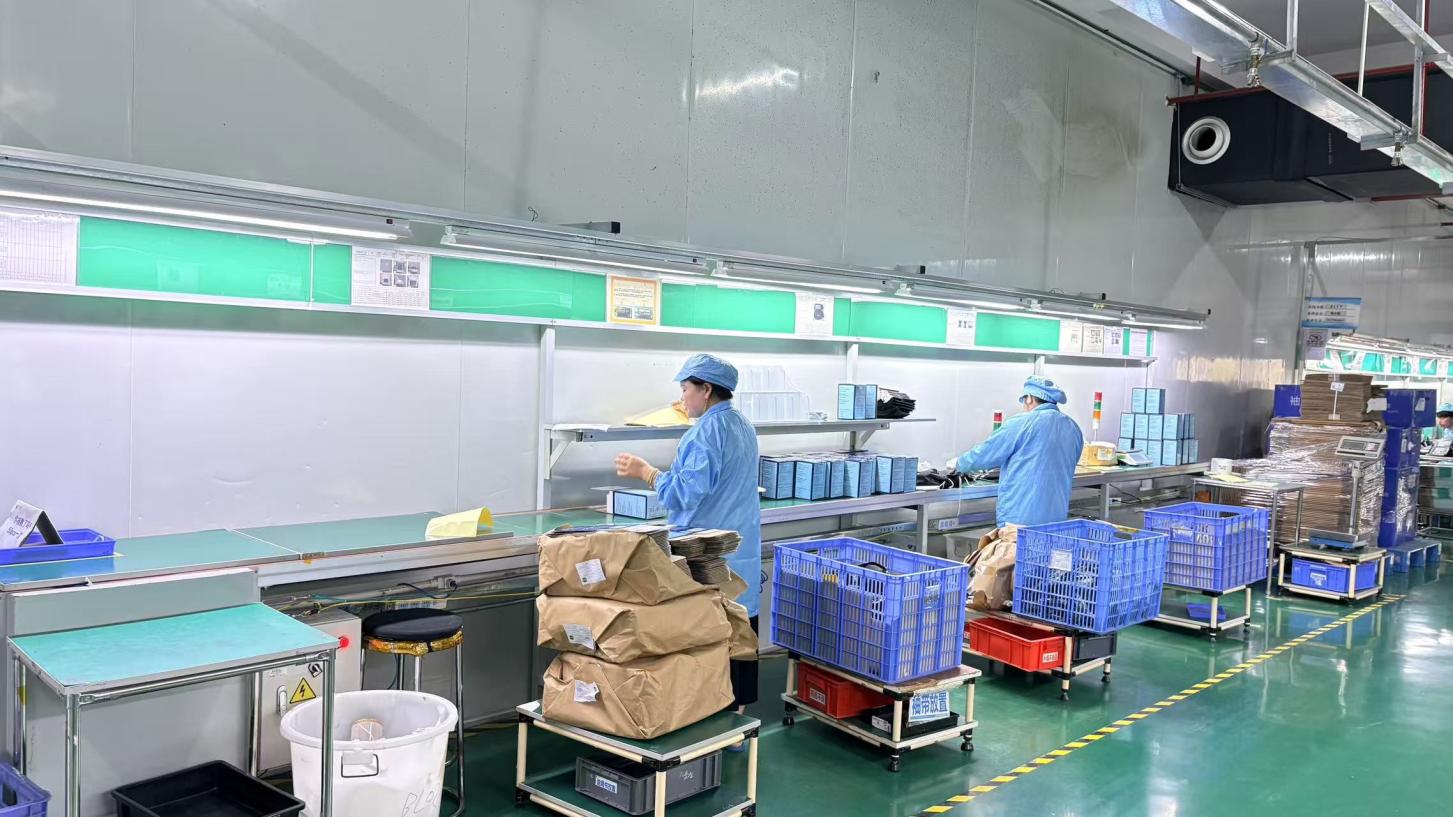
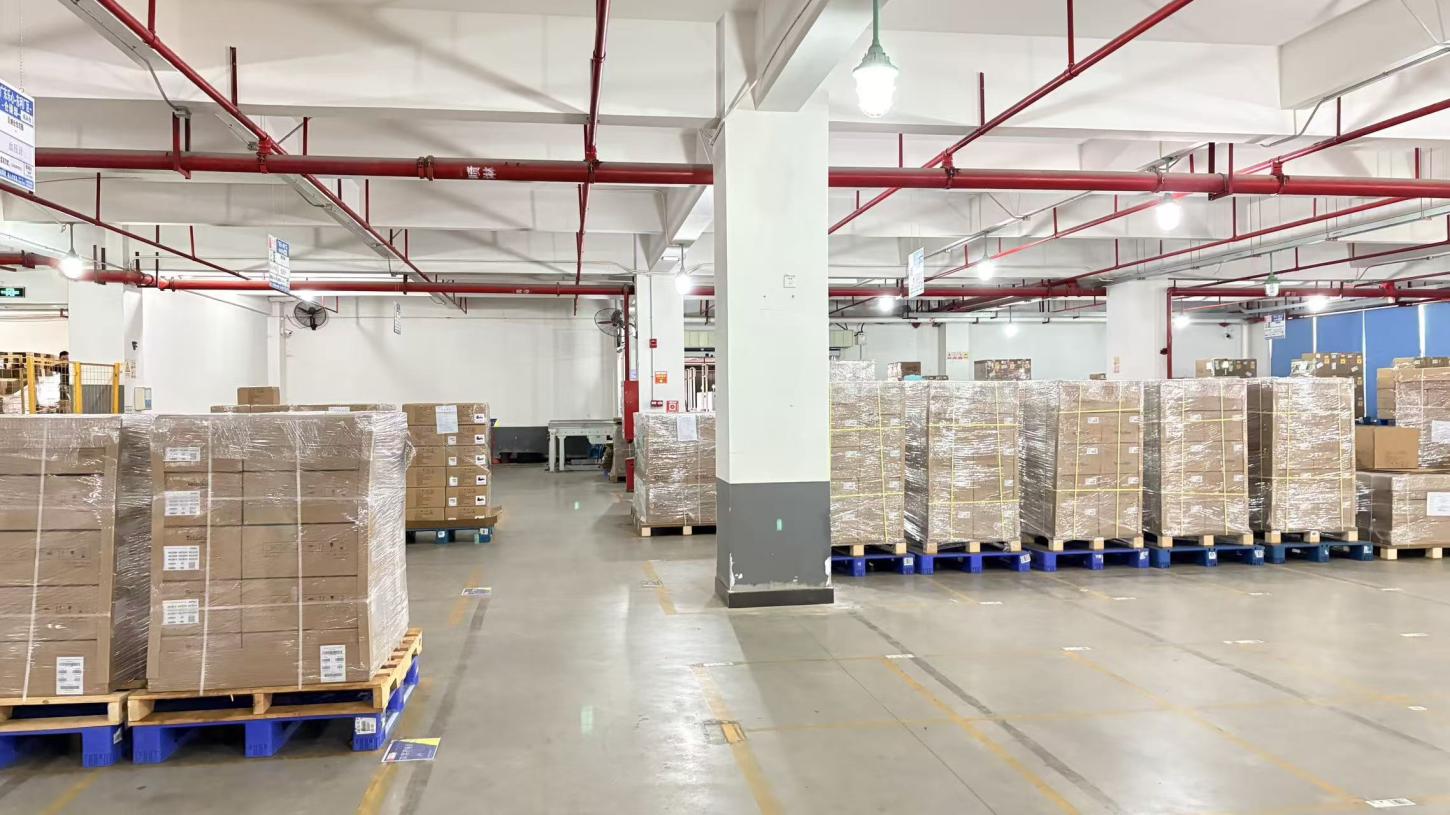
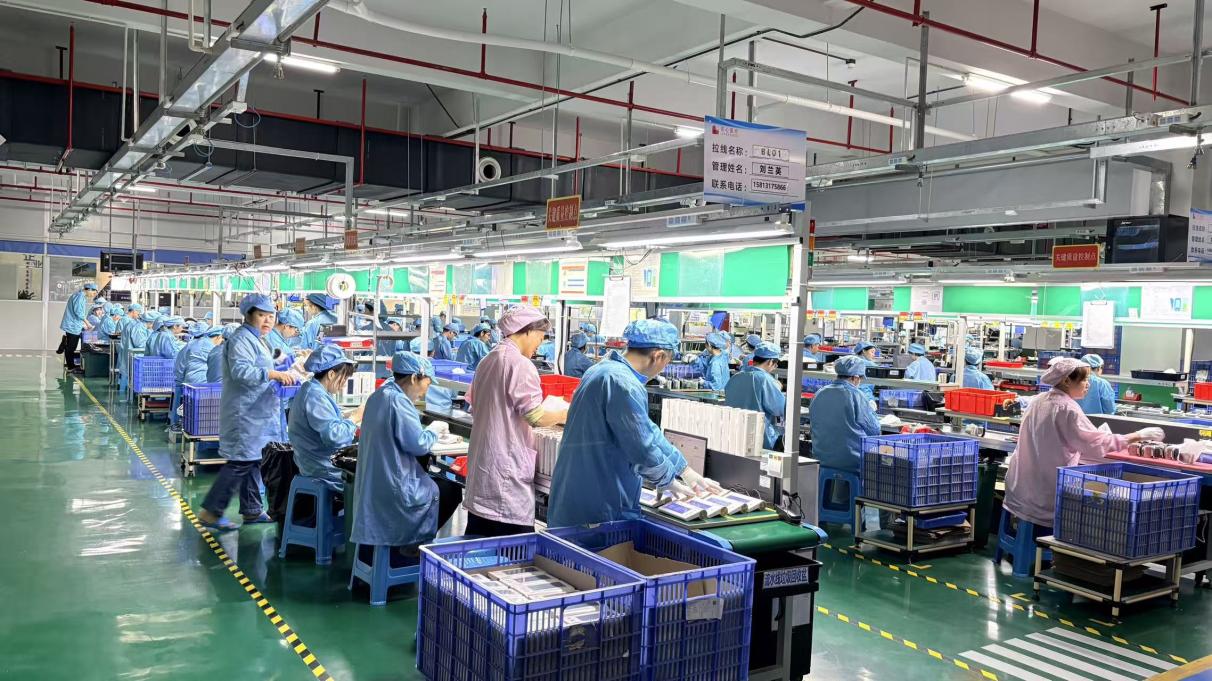
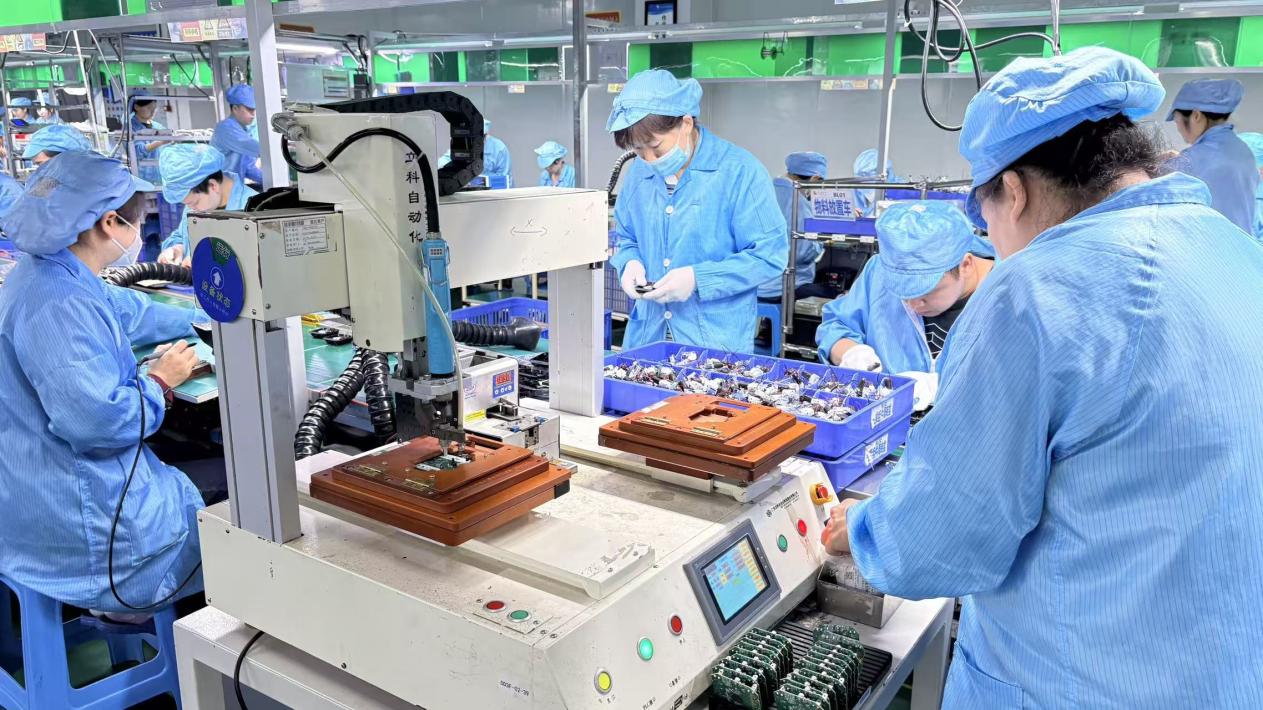
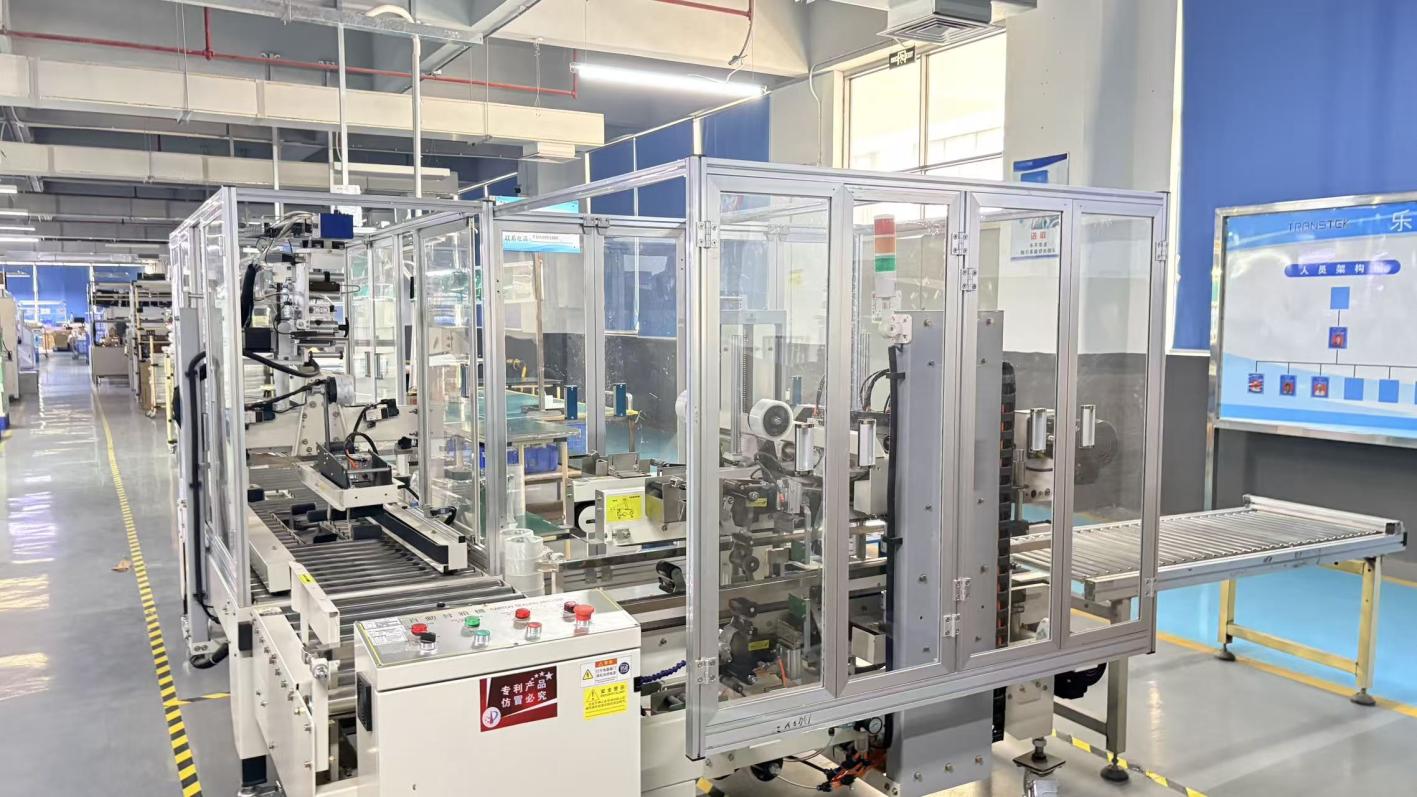
The transition from manual rigging to intelligent, biomechanically-optimized movement monitoring systems.
Modern ceiling and mobile lifts are incorporating sensor arrays to log weight, usage frequency, and motor cycles. By syncing these systems with patient health databases (including vital monitoring protocols), hospitals can forecast patient mobility progress and avoid equipment failure.
Motorized drive systems are reducing user exertion during heavy transfers. Power-assisted wheels analyze pushing forces and assist caregivers, eliminating the static load required to initiate movement of bariatric patients over carpeted surfaces.
Innovative transfer slings are now embedding non-invasive sensors to record basic indicators, preventing pressure ulcers through advanced thermal mapping. This matches the shift towards holistic diagnostic integration in chronic disease monitoring.
Optimizing transfer systems for different clinical settings, regulatory jurisdictions, and healthcare facilities.
| Application Scenario | Primary Clinical Need | System Configuration Recommended | Key Integrated Technology |
|---|---|---|---|
| Intensive Care Units (ICU) | Rapid lateral transfers, prone positioning, ventilator management. | Heavy-Duty Ceiling Lifts with multi-point spreader bars. | Automatic patient weight loggers, wireless emergency lowering. |
| Bariatric Wards | Safe handling of high-mass patients (up to 450kg / 1000 lbs). | Dual-motor mobile lifts, structural steel frames. | Electronic soft-start actuators, reinforced bariatric slings. |
| Rehabilitation Centers | Gait training, progressive weight bearing, motor skill recovery. | Dynamic tracking ceiling lifts with dynamic suspension. | Adjustable bio-feedback tension limits, step-monitoring. |
| Home Healthcare | Portability, compact storage, ease of operation for family members. | Foldable aluminum mobile lifters, battery-operated control box. | Dual-button handheld controller, modular quick-release slings. |
For medical device distributors, government purchasing agents, and hospital procurement groups, sourcing patient lift equipment requires thorough verification of quality, safety, and operational reliability. Because patient lifts are classified as Class II (FDA) and Class I/IIa (MDR) medical devices, manufacturers must exhibit strict compliance with international testing frameworks.
Standard ISO 10535 Compliance: This standard mandates that patient lifts must undergo static load testing at 1.5 times their rated capacity and endurance testing (over 10,000 continuous lifting cycles under full load) without structural deterioration.
OEM and ODM Capabilities: Professional manufacturers like MaxPro Medical offer deep customization options. This includes adjusting leg opening mechanisms (hydraulic vs. manual pedal), modifying spreader bar attachment clips, and tailoring custom patient slings for specific clinical requirements.
Comprehensive technical and regulatory answers to the most common inquiries from clinical engineering and procurement departments.
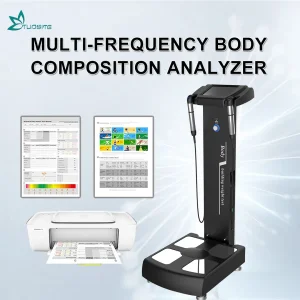
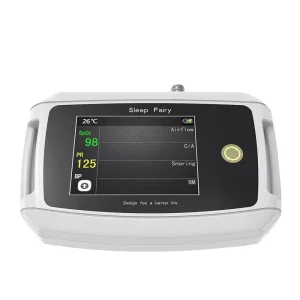
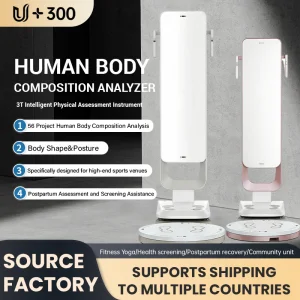
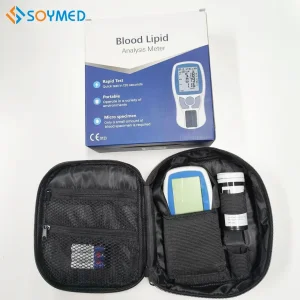
Broadening care delivery with multi-parameter diagnostic monitors, metabolic profiling systems, and rapid life support devices.