MaxPro Medical
MaxPro Medical
MaxPro Medical
Explore our state-of-the-art medical grade solutions certified for clinical performance and home healthcare tracking.
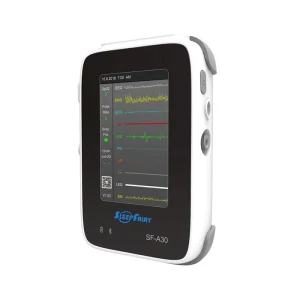
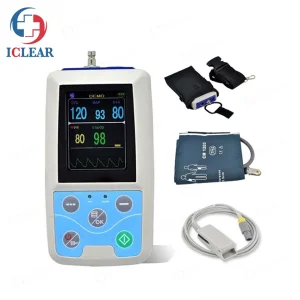
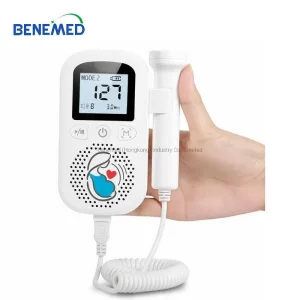
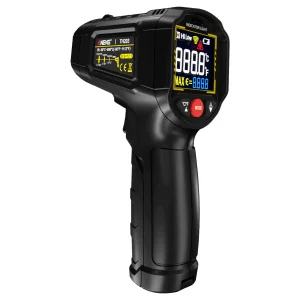
Analyzing macro-economic drivers, demographic shifts, and clinical requirements shifting the nebulizer industry.
The global market for respiratory drug delivery systems is experiencing a tectonic shift. Chronic Obstructive Pulmonary Disease (COPD), chronic asthma, cystic fibrosis, and emerging infectious respiratory conditions have propelled nebulizers from secondary outpatient gadgets to vital, frontline therapeutic instruments. Valued at over USD 1.1 Billion in recent market reports, the global nebulizer market is projected to expand at a CAGR of 6.8% through 2032. This growth is driven by the rapid aging of the population in developed economies, increasing air pollution index (AQI) levels in metropolitan industrial hubs, and a clear clinical preference for direct-to-lung targeted drug administration over systemic oral therapeutics.
For B2B buyers, medical device distributors, and pharmaceutical companies, securing a reliable custom OEM nebulizer manufacturer is not merely about finding a vendor—it is about partner vertical integration. An OEM partner must possess deep regulatory knowledge, robust technology platforms, and highly flexible manufacturing capacities. This is particularly crucial as global regulatory frameworks shift from simple clearance pathways to strict, clinical-evidence-supported certifications, such as the European Union's Medical Device Regulation (MDR) and the US FDA's stringent 510(k) review protocols.
Modern respiratory drug delivery demands precision control over Mass Median Aerodynamic Diameter (MMAD). Aerosol particles must fall precisely in the range of 1.0 to 5.0 microns to ensure deep alveolar deposition. A nebulizer machine factory lacking advanced aerodynamic particle sizing facilities (such as laser diffraction and cascade impactors) cannot guarantee clinical efficacy.
Understanding the engineering differences that drive therapeutic efficiency, device lifecycle, and patient compliance.
Utilizing high-velocity compressed air streams to create a pressure drop (Venturi effect) that draws liquid medication up, blasting it against a baffle to create a polydisperse aerosol cloud. While cost-effective, they are bulky, noisy, and yield high residual medication volume.
Piezoelectric crystal transducers vibrate at high frequencies (1-3 MHz) within the liquid reservoir. This mechanical energy creates standing waves that eject micro-droplets. Although quiet, the localized ultrasonic energy generates thermal energy, making it unsuitable for heat-sensitive biological macromolecules or protein-based therapeutics.
The state-of-the-art tech. An ultra-thin electroformed mesh plate containing thousands of laser-drilled micro-tapered holes vibrates at high frequencies (~110-130 kHz) in contact with the drug solution. Actively pumping the fluid through the holes produces a monodisperse aerosol size distribution without heating the medication. Highly compact, silent, battery-operated, and maximizes drug utilization.
The next generation of nebulizer equipment integrates smart connectivity. Devices equipped with Bluetooth Low Energy (BLE) synchronize inhalation data directly to clinical cloud ecosystems. This enables doctors to verify patient compliance, review inspiratory flow rates in real-time, and dynamically adjust treatment protocols. Shenzhen MaxPro Medical's advanced R&D team is currently pioneering integrated sensor arrays that measure exhalation patterns to minimize environmental drug waste during passive breathing cycles.
How MaxPro Medical serves different supply chain models, healthcare institutions, and brands.
We work directly with drug developers to match nebulizer mesh specifications with precise formulations. This co-development ensures optimal delivery of newly synthesized bronchodilators, antimicrobials, or gene therapies, optimizing viscosity compatibility and drug output rates.
Providing heavy-duty, continuous-run clinic compressors and integrated ventilator-mesh components. Our systems comply with hospital-grade sanitization protocols, featuring autowash mesh systems and autoclavable medicine cups to prevent cross-contamination.
From custom shell industrial design, user interface optimization, structural battery layouts, to target retail packaging—we translate consumer brand visions into regulatory-compliant, shelf-ready respiratory products.
A deep dive into our credentials, facilities, and core engineering philosophy.
Founded in 2009, Shenzhen MaxPro Medical Co., Ltd. is a leading manufacturer specializing in advanced medical devices and chronic disease monitoring solutions. With a strong commitment to innovation, quality, and customer satisfaction, we provide reliable healthcare technologies to over 500 healthcare institutions and distributors worldwide.
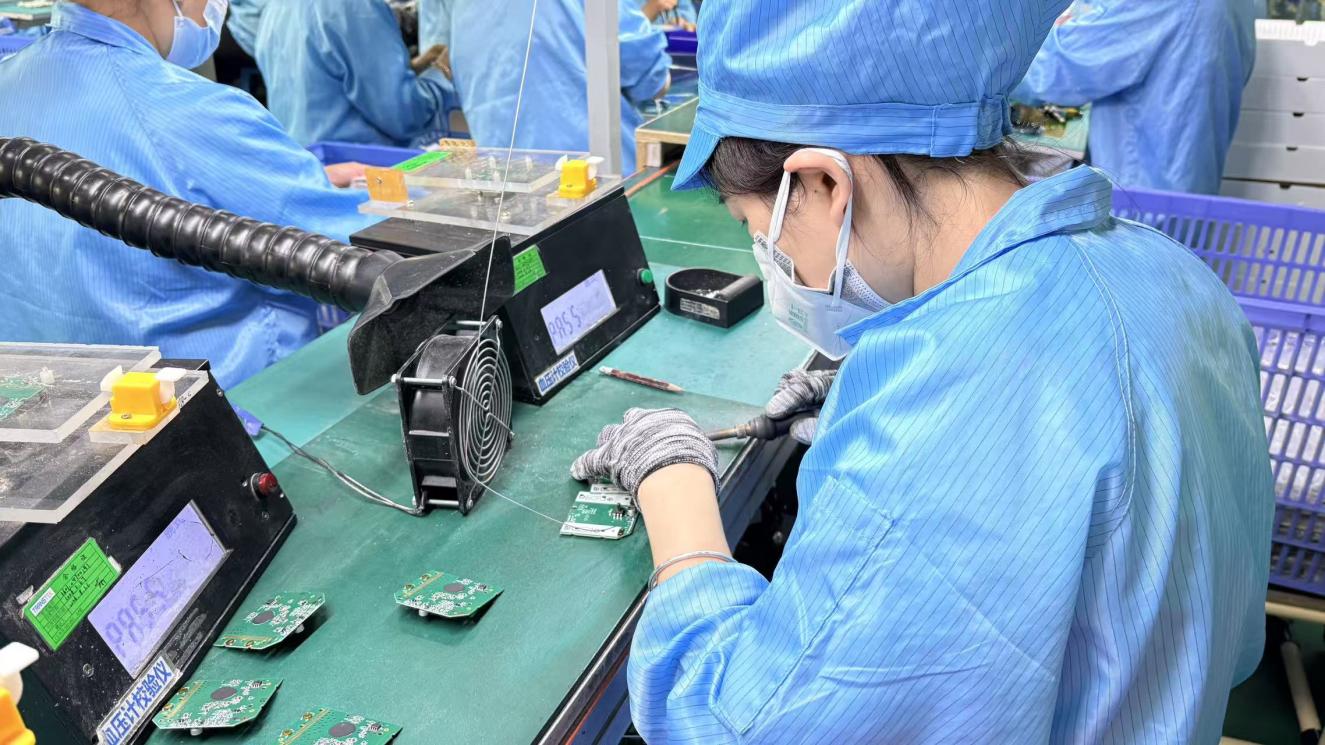
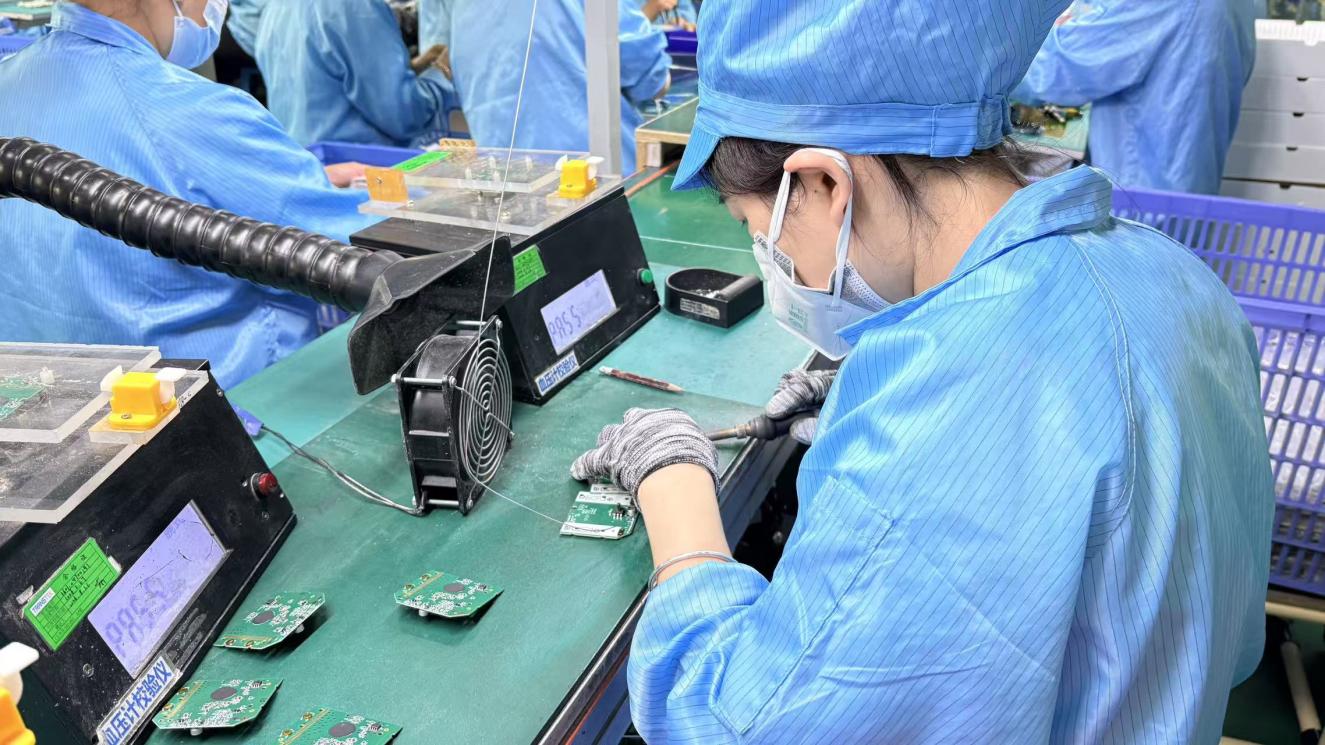
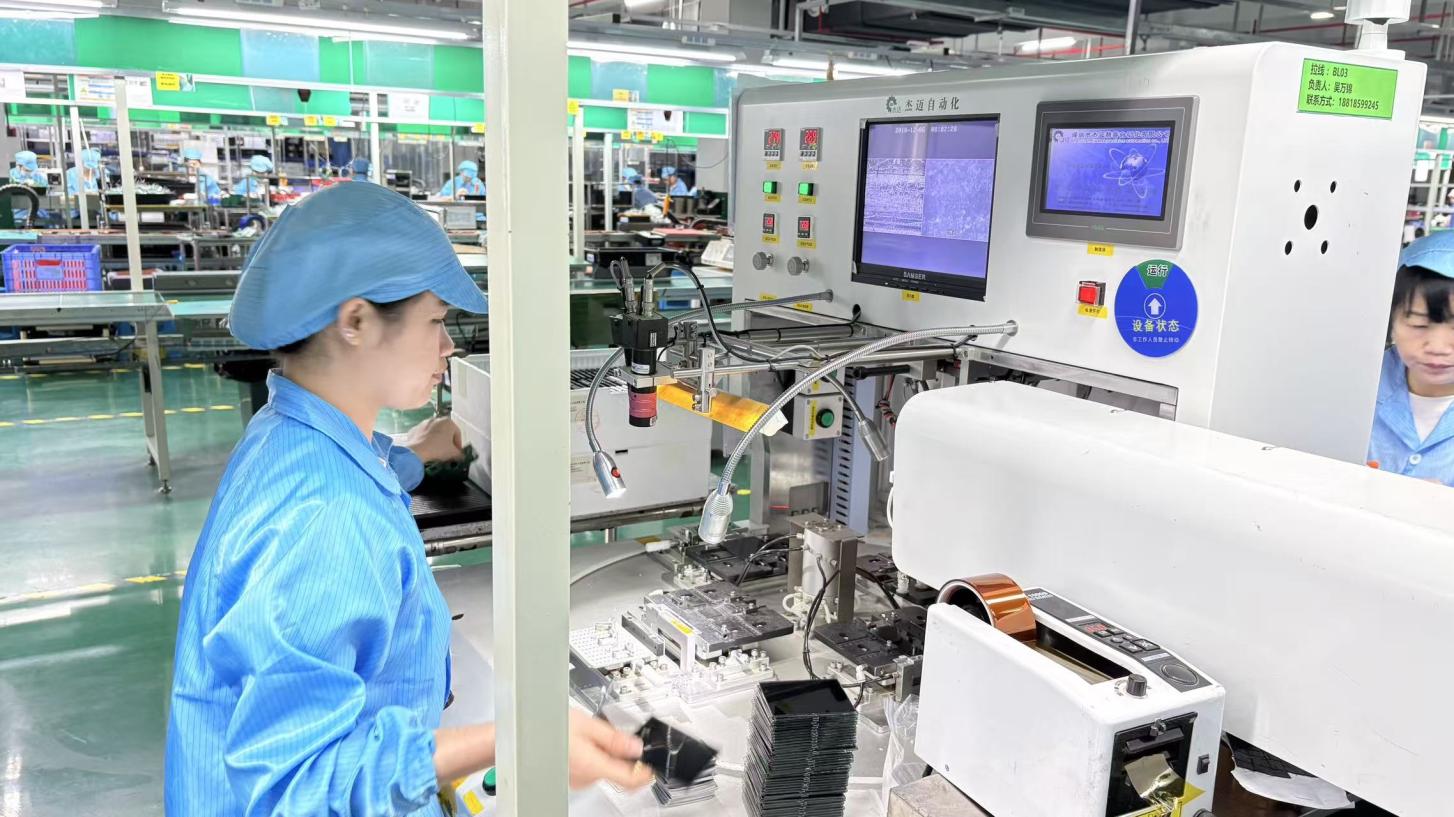
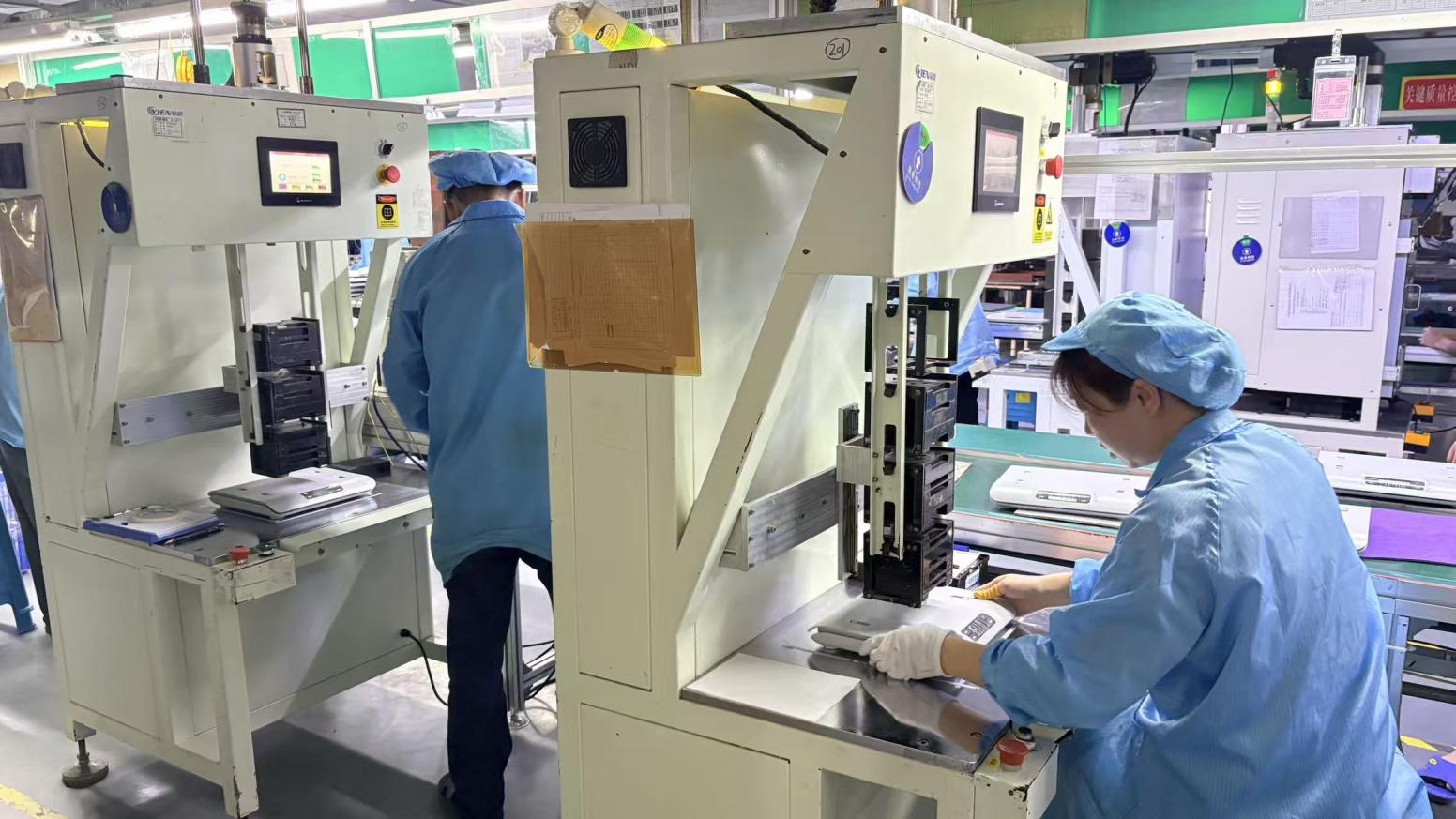
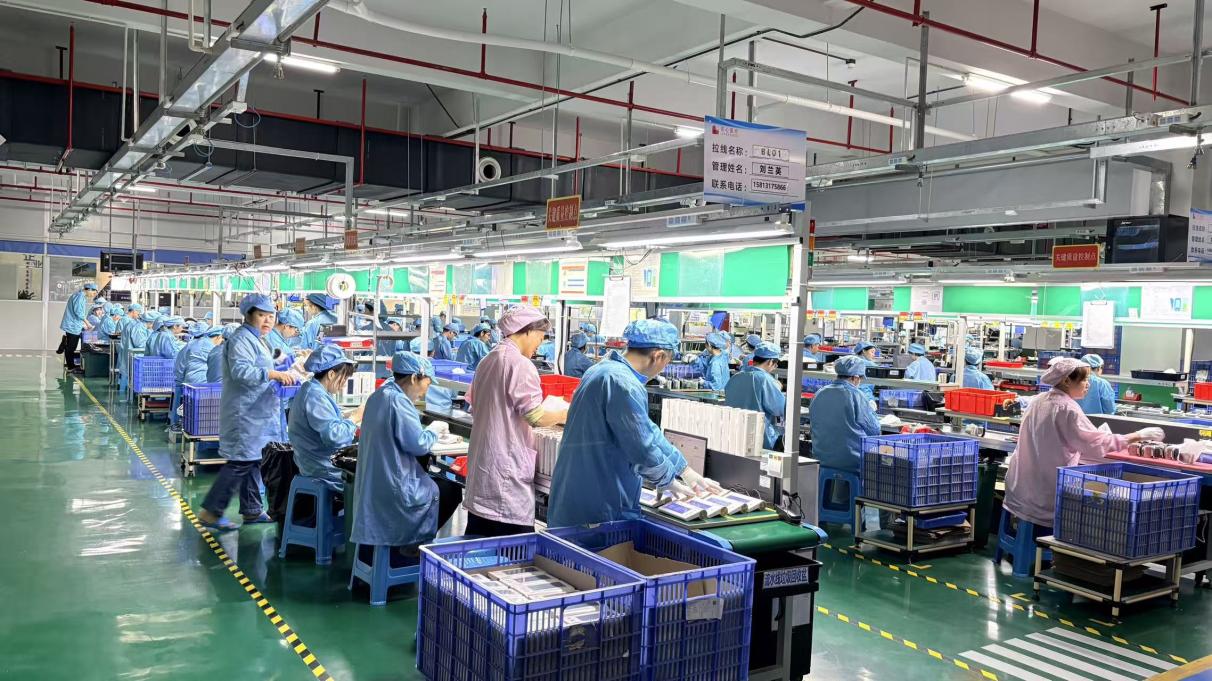
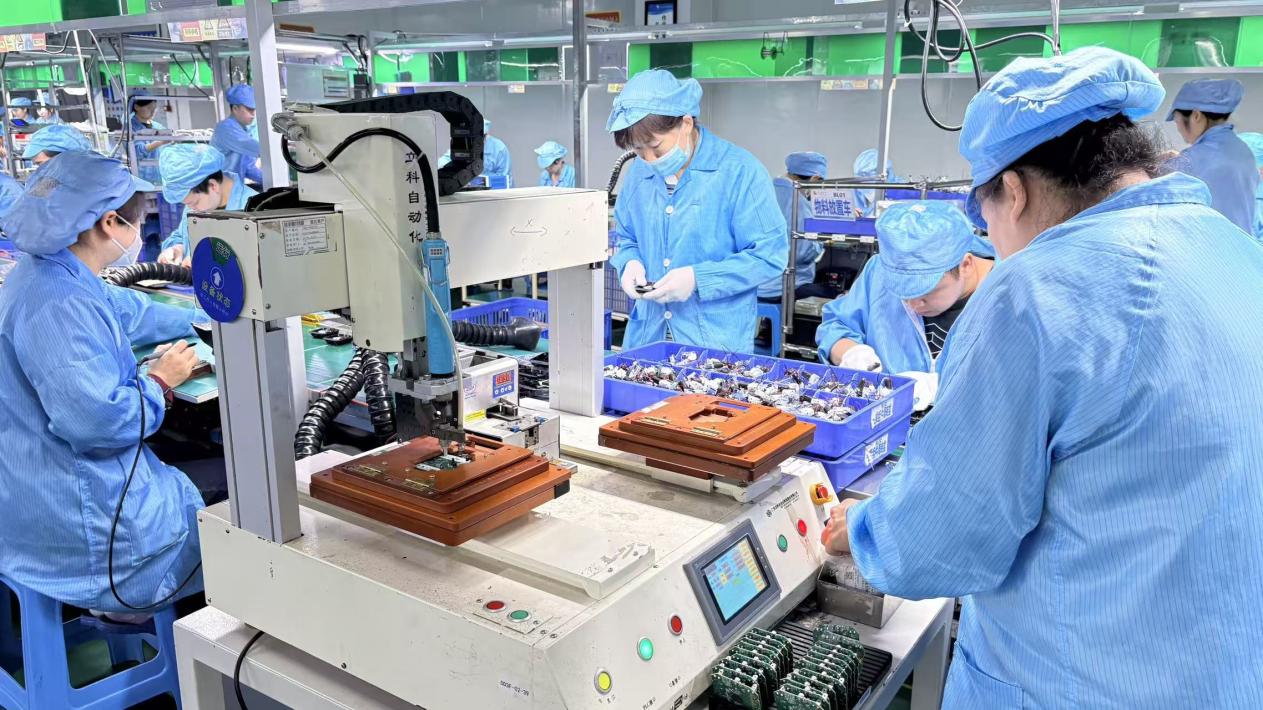
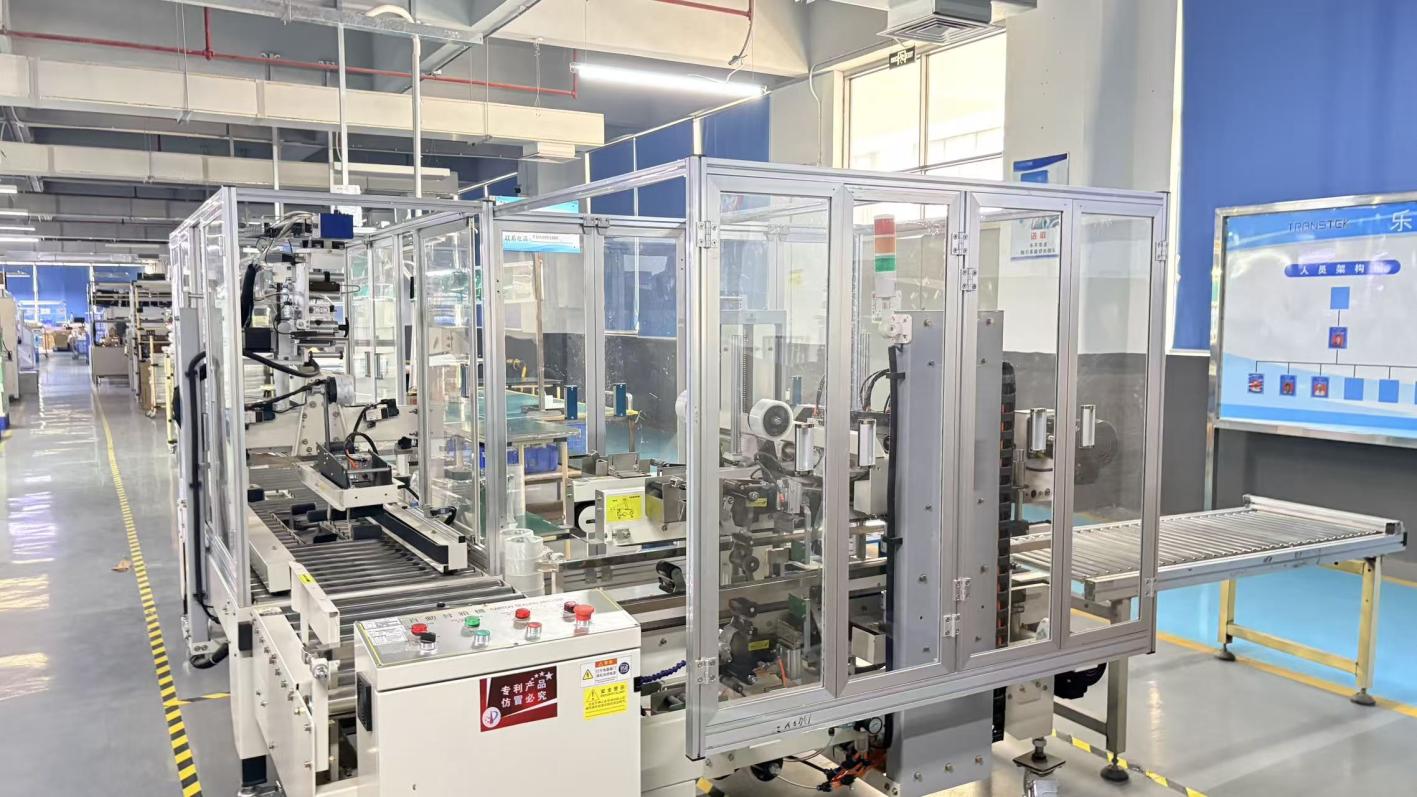
Our company operates a modern 20,000 sq ft manufacturing facility equipped with advanced production and testing systems. Certified under ISO 13485 quality management standards, all of our products comply with international medical regulations, with key products receiving FDA 510(k) clearance and CE certification.
Backed by an experienced R&D team and strict quality control processes, MaxPro Medical continuously develops accurate, user-friendly, and cost-effective medical solutions for chronic disease management, patient monitoring, rehabilitation, and home healthcare applications.
At MaxPro Medical, we uphold the core values of Quality First, Customer Focus, Innovation, Integrity, and Compliance. Our mission is to empower healthcare professionals with dependable medical technologies that improve patient outcomes and enhance healthcare efficiency worldwide.
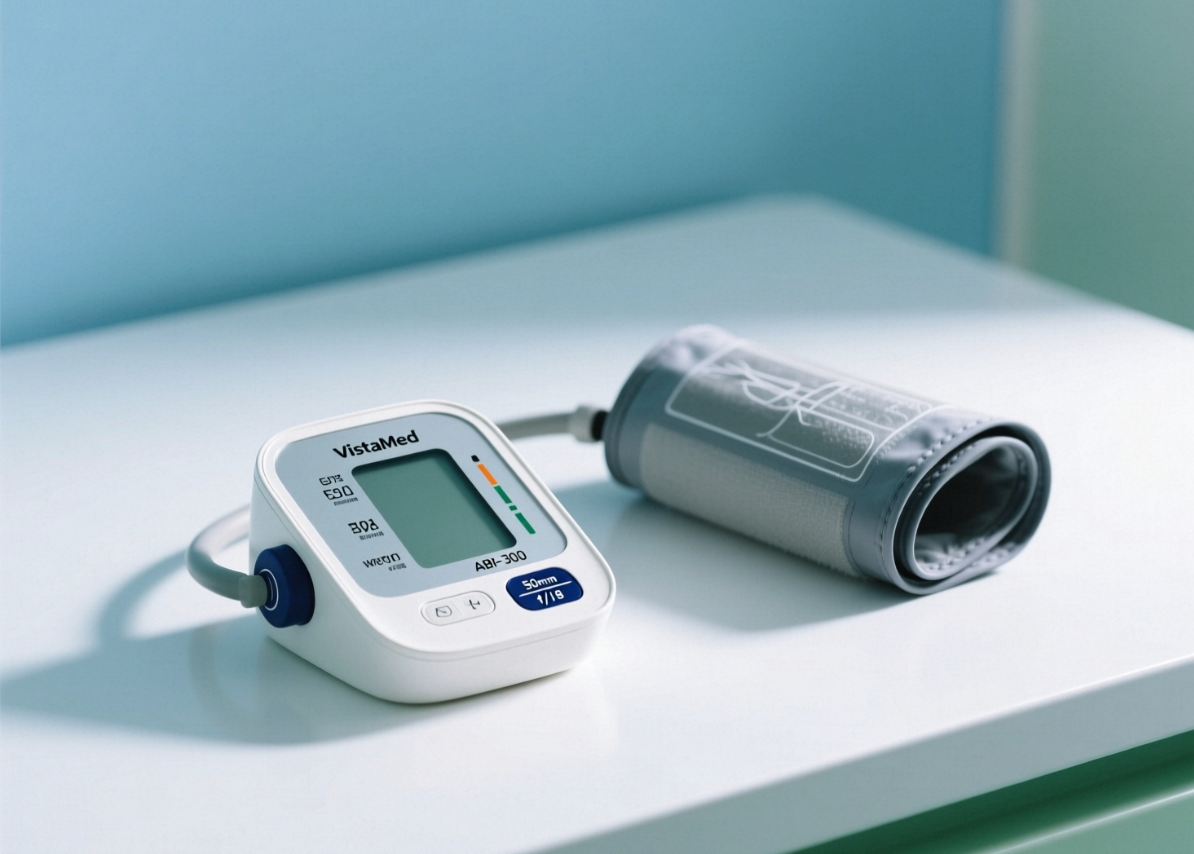
Unwavering compliance, end-to-end traceablity, and advanced machinery validation.
With years of experience in the medical device industry, Shenzhen MaxPro Medical Co., Ltd. has built long-term partnerships with healthcare providers, distributors, and medical institutions around the world. Our products are widely recognized for their stable performance, reliable quality, and user-friendly design.
We operate a modern manufacturing facility supported by strict quality management systems to ensure consistent production standards and dependable delivery performance. From raw material sourcing to final product inspection, every process is carefully controlled to meet international medical industry requirements.
MaxPro Medical places strong emphasis on regulatory compliance and product safety. Our manufacturing system is certified under ISO 13485 standards, and selected products have obtained FDA 510(k) clearance and CE certification, ensuring compliance with global market requirements.
Innovation is at the core of our development strategy. Supported by a professional R&D and engineering team, we continuously improve our technologies and provide flexible OEM and ODM solutions tailored to customer needs.
In addition, our dedicated customer service and technical support teams are always ready to provide fast and professional assistance, helping clients achieve efficient and reliable healthcare solutions with confidence.
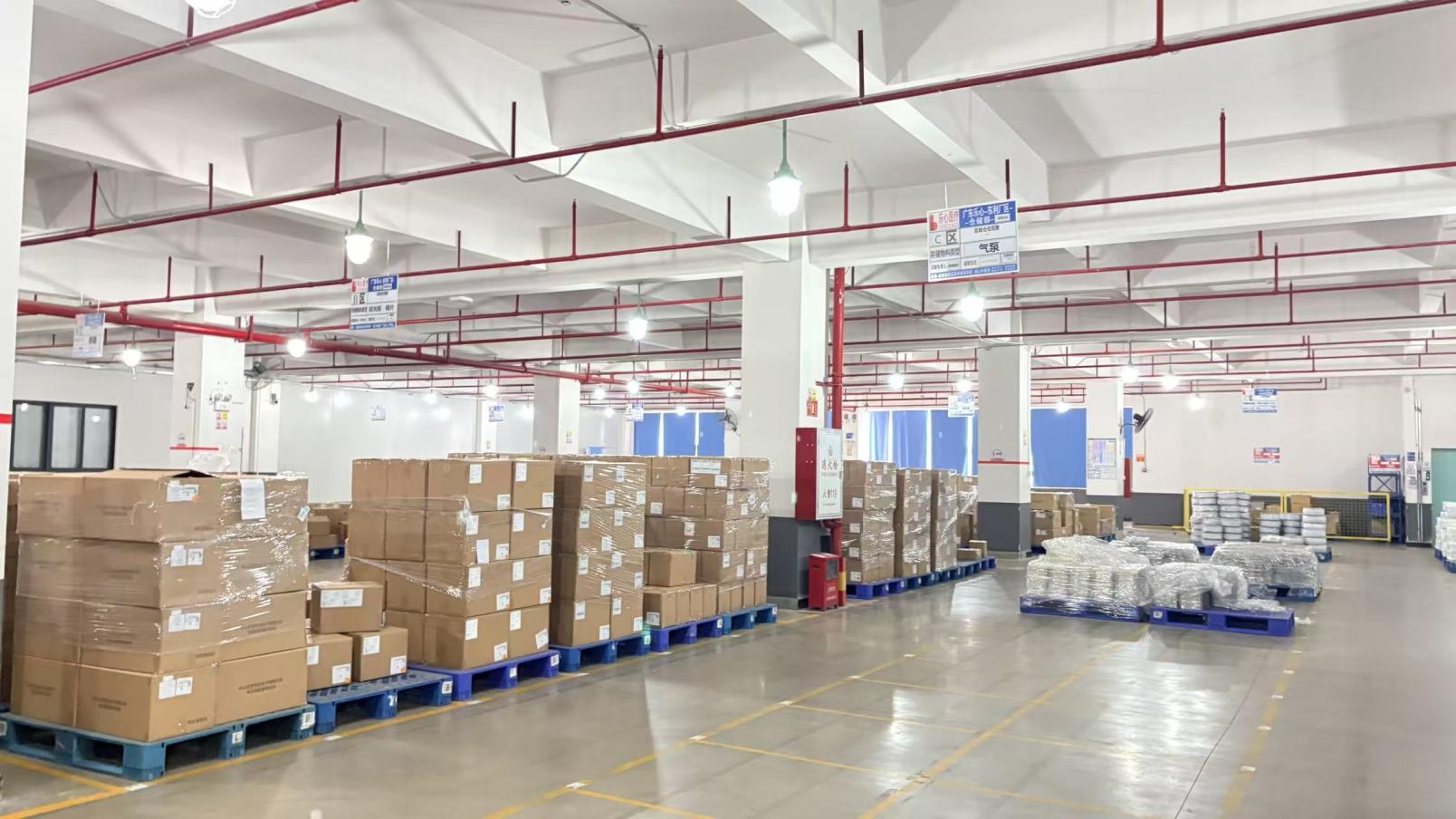
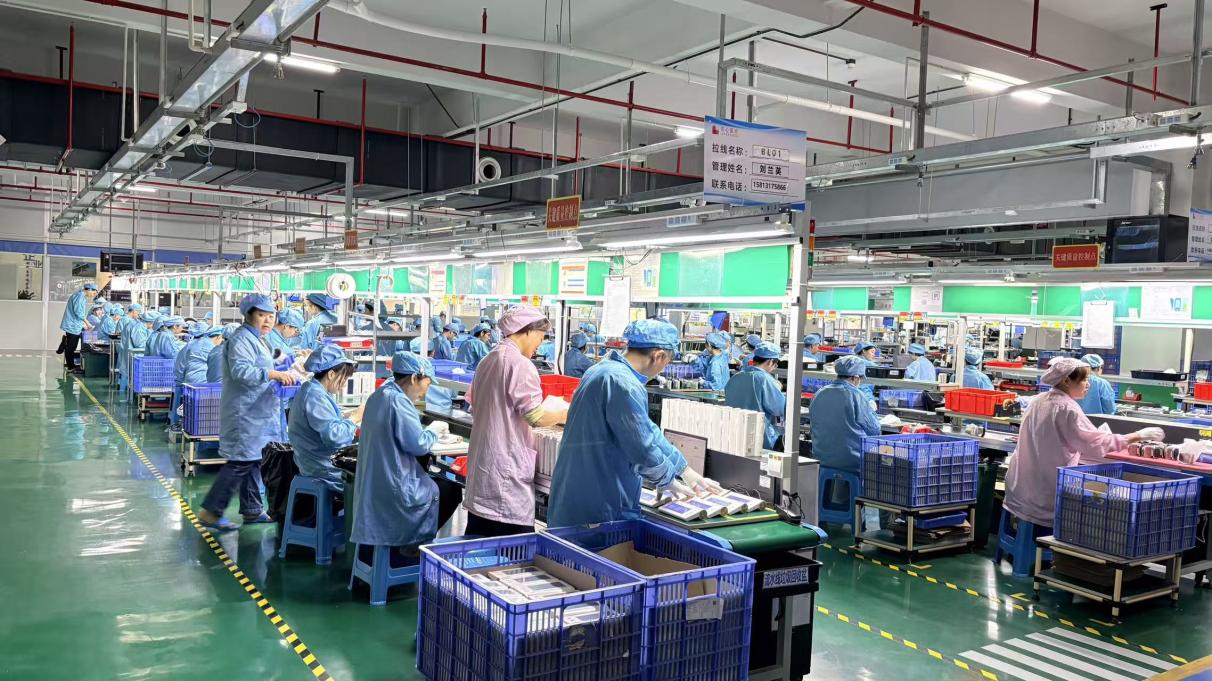
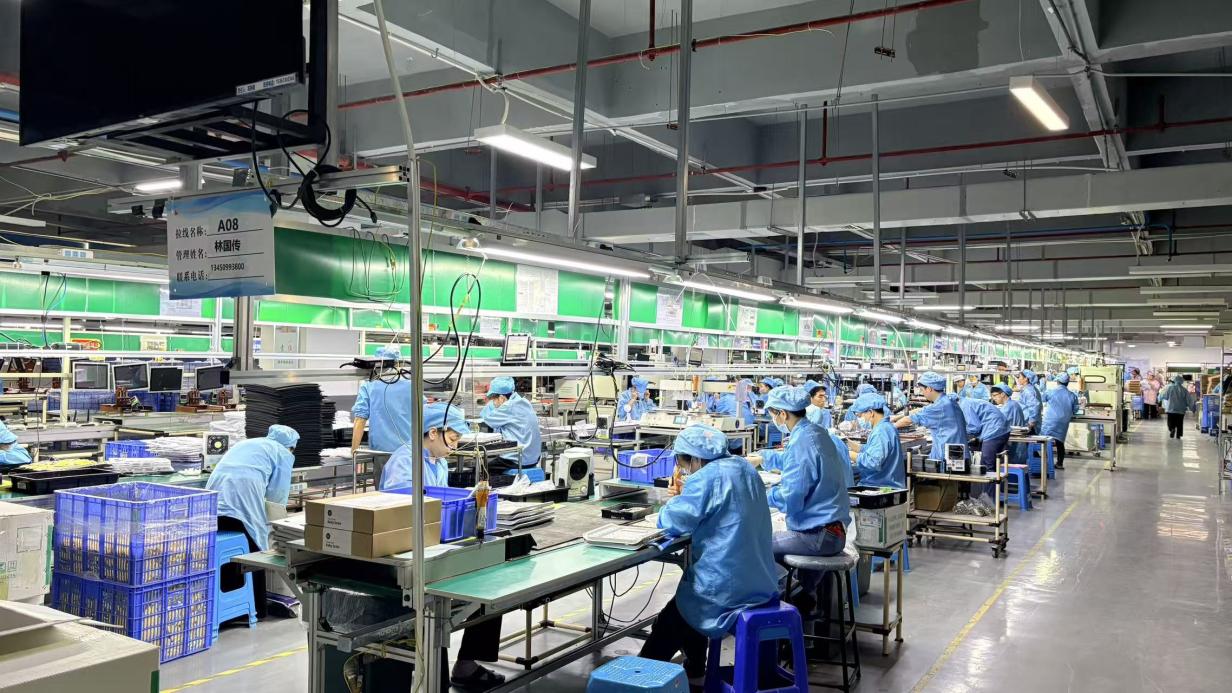


Expert technical insights to assist medical buyers, product managers, and pharmaceutical partners.
The optimal Mass Median Aerodynamic Diameter (MMAD) is between 1.0 and 5.0 microns. Droplets larger than 5 microns deposit prematurely in the mouth and throat, whereas particles smaller than 1 micron remain suspended in the air and are exhaled back out. MaxPro products utilize precision-manufactured vibrating mesh to target an MMAD of 2.5 - 3.5 microns for maximum alveolar therapy.
We source medical-grade ABS and polycarbonate materials tested under USP Class VI guidelines. This prevents chemical leaching when materials contact volatile organic compounds or medications, ensuring complete clinical-grade safety.
Mesh nebulizers can sometimes struggle with highly viscous fluids or suspension drugs like budesonide. However, our customizable mesh frequency allows us to optimize driving frequency, voltage amplitude, and aperture size to meet the demands of specific pharmaceutical formulations.
Every compressor and nebulizer housing undergoes differential pressure decay leak testing. This automated process ensures there are no path micro-fissures in internal pathways, protecting motors and electronics from fluid ingress.
Standard color and logo branding variations require 4-6 weeks. Comprehensive structural redesigns (new PCB layouts, customized shells) require 3-6 months, inclusive of rigorous internal DQE testing and pilot mold phases.
Yes. Critical component assemblies (such as the vibrating mesh plates and direct medical liquid reservoirs) are assembled and sterilized within our Class 100,000 (ISO Class 8) cleanrooms to guarantee zero microbiological particulate contamination.
We offer full documentation support including Technical Files, Clinical Evaluation Reports (CER), Declaration of Conformity (DoC), and toxicological biocompatibility dossiers. This substantially speeds up national registry processes in regions across North America, the EU, and Southeast Asia.
By engineering medicine cup reservoirs with a steep funnel design and positioning the vibrating mesh directly at the lowest focal gravity point, we minimize residual solution volume to less than 0.1 mL, saving valuable medication.
We configure our systems with dual power profiles: a low-drain lithium polymer rechargeable battery with USB-C charging interfaces, and dual-AA alkaline battery configurations for back-up disaster recovery deployment.
Yes, all MaxPro Nebulizers feature low-velocity output options (preventing sudden reflex coughing in infants) and support baby-sized soft medical-grade silicone masks that ensure a seal without placing undue facial pressure.
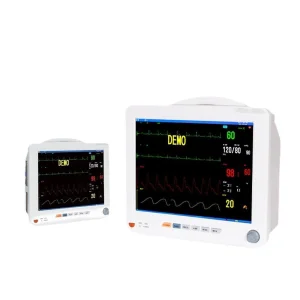
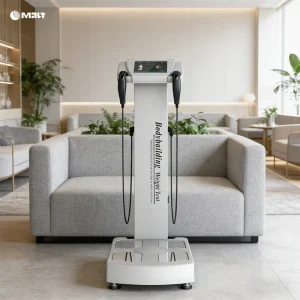
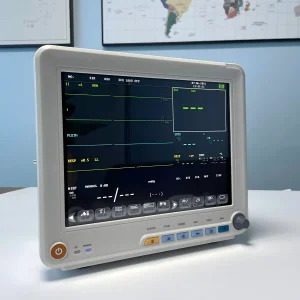
Explore additional clinical monitoring and diagnostic equipment engineered under ISO 13485 manufacturing conditions.