MaxPro Medical
MaxPro Medical
MaxPro Medical
Explore our premium medical-grade devices engineered for real-time patient monitoring, clinical analysis, and non-invasive diagnostic ecosystems.

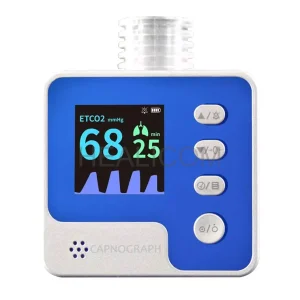
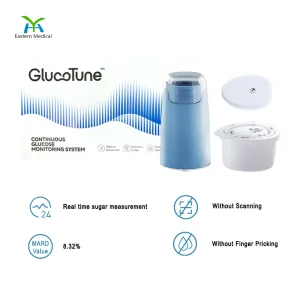
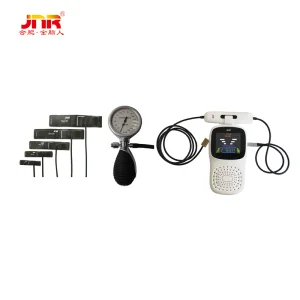
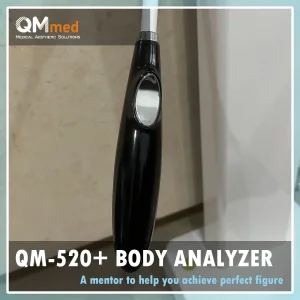
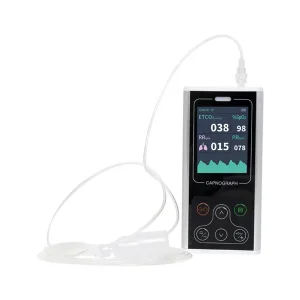
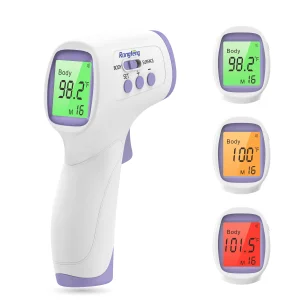
The global healthcare industry is undergoing a monumental shift from reactive hospital-centered care to proactive, continuous, and decentralized patient management. At the heart of this transition is the Internet of Medical Things (IoMT) and Smart Medical Devices. No longer simple, standalone diagnostic tools, modern devices are complex cyber-physical units that integrate high-precision biochemistry sensors, edge-computing microcontrollers, and wireless transceivers (such as BLE 5.3, Wi-Fi 6, and NB-IoT).
For global device distributors and telehealth providers, sourcing reliable hardware is a strategic imperative. The requirement goes beyond core diagnostic accuracy (e.g., standard deviation metrics for continuous glucose tracking or precise waveform capnography). It demands absolute compatibility with cloud infrastructure, HIPAA-compliant data encryption, and extended lifespans for wearable form factors. As an established OEM/ODM leader, we bridge the gap between regulatory requirements and modern smart engineering.
"By incorporating AI-driven multi-frequency segmental measurement and real-time edge processing, our devices enable healthcare professionals to make clinical decisions backed by immediate, high-fidelity physiological data."
A trusted global manufacturing partner of medical-grade hardware and chronic disease monitoring ecosystems.
Founded in 2009, Shenzhen MaxPro Medical Co., Ltd. has established itself as an authoritative manufacturer specializing in advanced medical devices and chronic disease monitoring systems. Over the last decade and a half, we have expanded our distribution footprint to empower more than 500 healthcare institutions, telemetry platform developers, and international medical supply distributors across Europe, the Americas, and the Asia-Pacific region.
Our company operates a state-of-the-art 20,000 square foot manufacturing facility equipped with multi-stage high-speed SMT assembly, automated calibration systems, and medical-grade cleanrooms. Structured under the rigorous ISO 13485 quality management standard, our production processes guarantee batch-to-batch consistency. Crucially, our primary product categories carry FDA 510(k) clearances and CE certifications, providing our global clients with seamless access to regulated medical markets.
At MaxPro Medical, our strategy is rooted in five fundamental principles: Quality First, Customer Focus, Innovation, Integrity, and Compliance. Our engineering philosophy is based on hardware-software decoupling. This enables our ODM partners to deploy custom application software or connect directly to their proprietary cloud portals, while we manage the complex hardware engineering, sensor calibration, bio-compatibility certifications, and base firmware.
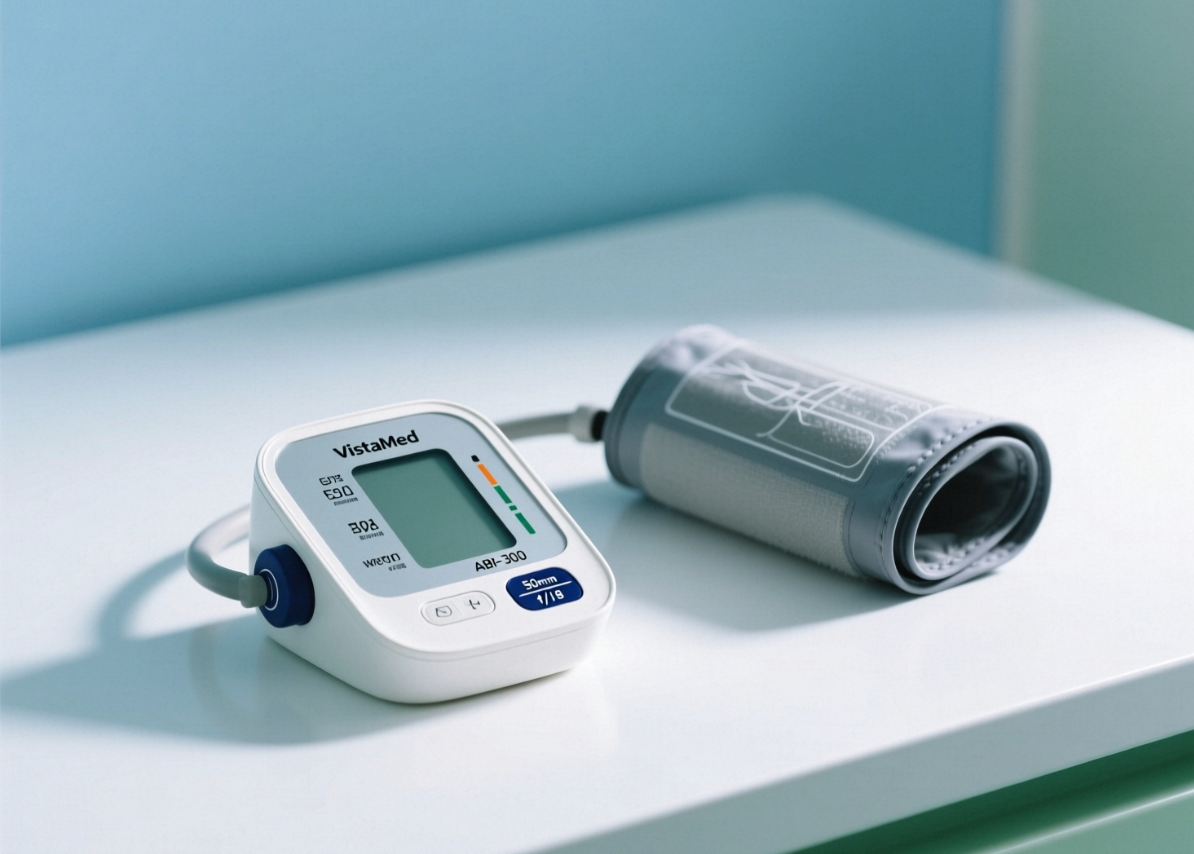
Our specialized R&D team consists of mechanical, electrical, firmware, and biomedical engineers who continuously optimize our signal-processing algorithms. Whether optimizing a 15-day CGM sensor's chemical formula or refining the digital filtration algorithms in an ambulatory blood pressure monitor (ABPM), we prioritize accuracy and reliability above all else.
Analyzing key procurement challenges, regulatory compliance structures, and user intent for smart medical products.
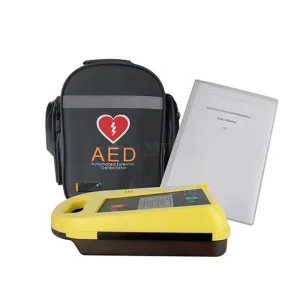
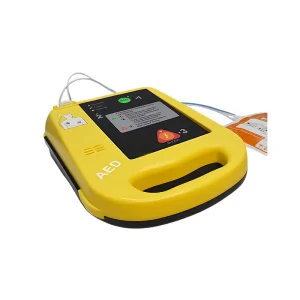
Procurement teams within national healthcare networks, private hospital associations, and tele-health start-ups face unique hurdles. Unlike consumer electronics, a medical device is a critical point-of-care tool. An error in an automated external defibrillator (AED) self-check or an inaccurate capnography reading in emergency rescue can lead to severe clinical complications. As a result, B2B procurement intent focuses heavily on clinical-grade validation, long-term supply chain reliability, and extensive documentation support.
Furthermore, the geopolitical and economic landscape demands that manufacturers provide reliable lead times and predictable material costs. Organizations require partners who can manage compliance documentation for local regulatory bodies (such as EU MDR, FDA 510(k), UKCA, and ANVISA). Our established compliance team works hand-in-hand with procurement agents to provide complete design history files (DHF), device master records (DMR), and biocompatibility reports (ISO 10993).
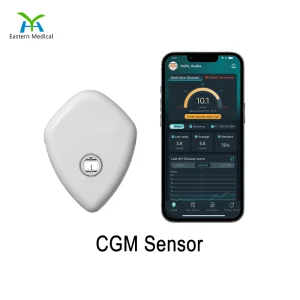
Another critical trend is the demand for sustainability and longevity. For instance, continuous glucose monitoring (CGM) systems must deliver stable performance over a 15-day lifespan without sensor drift. This requires advanced enzyme stabilization processes and biocompatible adhesive patches that remain comfortable on the patient's skin. Our ODM production lines use specialized bio-adhesives and advanced enzyme coating technology to meet these long-duration monitoring requirements.
Additionally, integration with existing digital infrastructure is a standard requirement. The hardware must speak standardized protocols. All our smart medical devices feature open API frameworks, BLE standard profiles (e.g., Blood Pressure Profile, Glucose Profile), and customizable SDKs, allowing seamlessly integrated diagnostic data feeds into Epic, Cerner, or customized patient apps.
Step-by-step insight into our high-precision assembly, automated testing, and strict quality control processes.
Located in Shenzhen, the global hub of electronics hardware engineering, our manufacturing lines integrate smart automation, environmental control, and precise quality gates. This layout minimizes human error and guarantees that every device shipped meets international clinical standards.
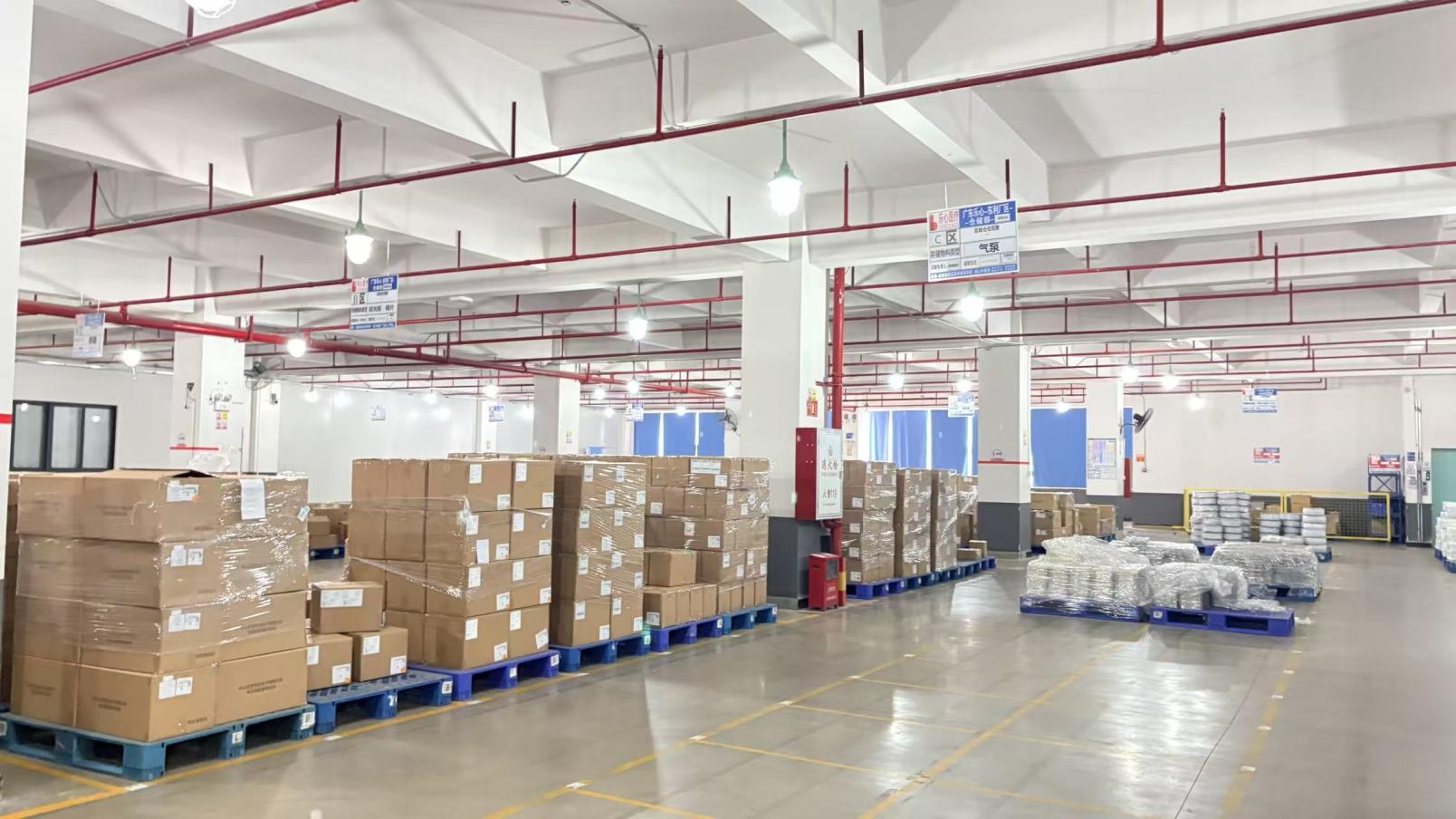
Raw Materials
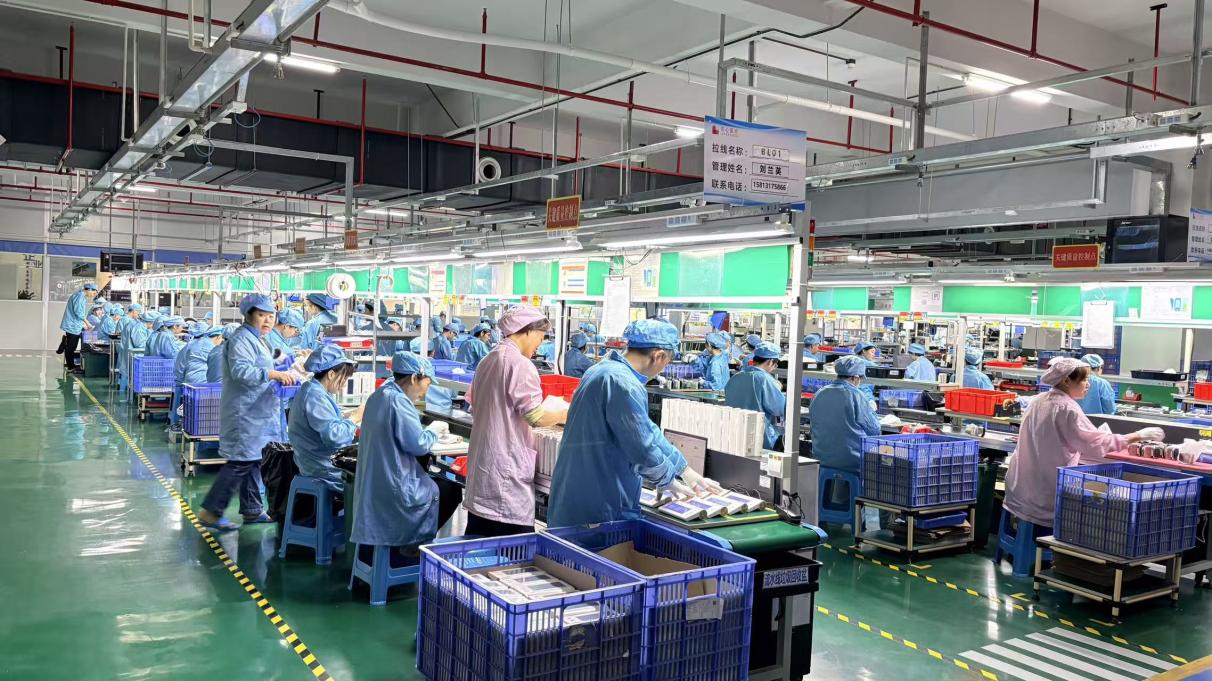
Assembling 1
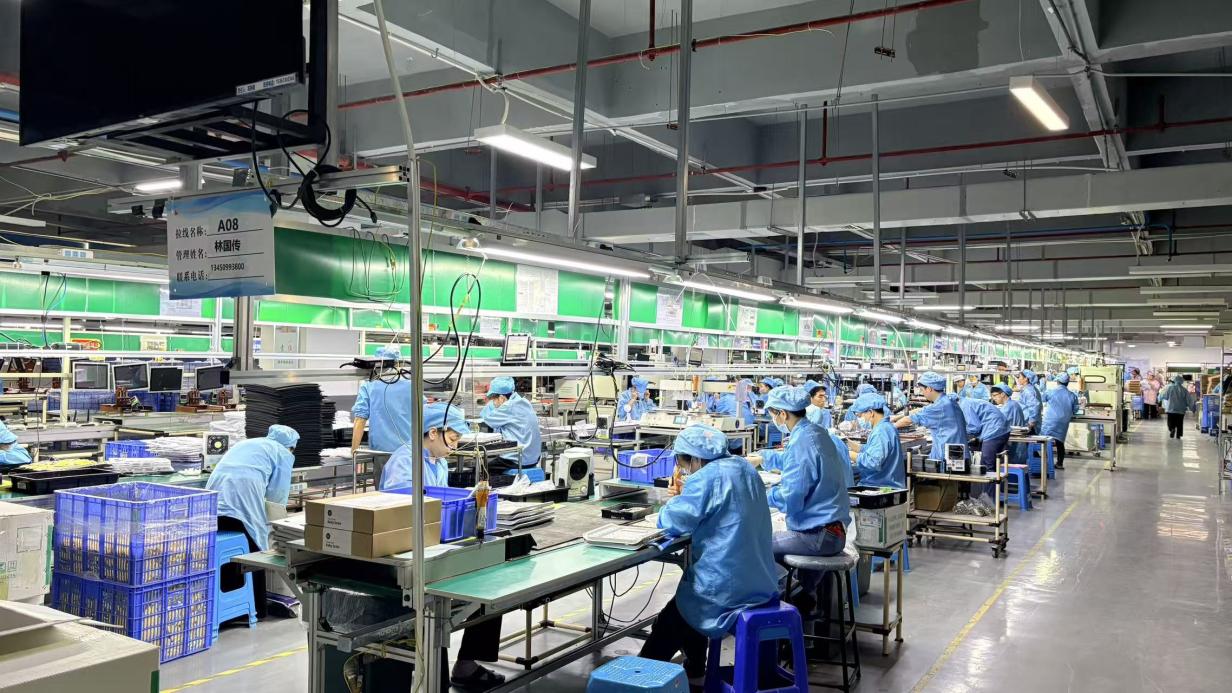
Assembling 2
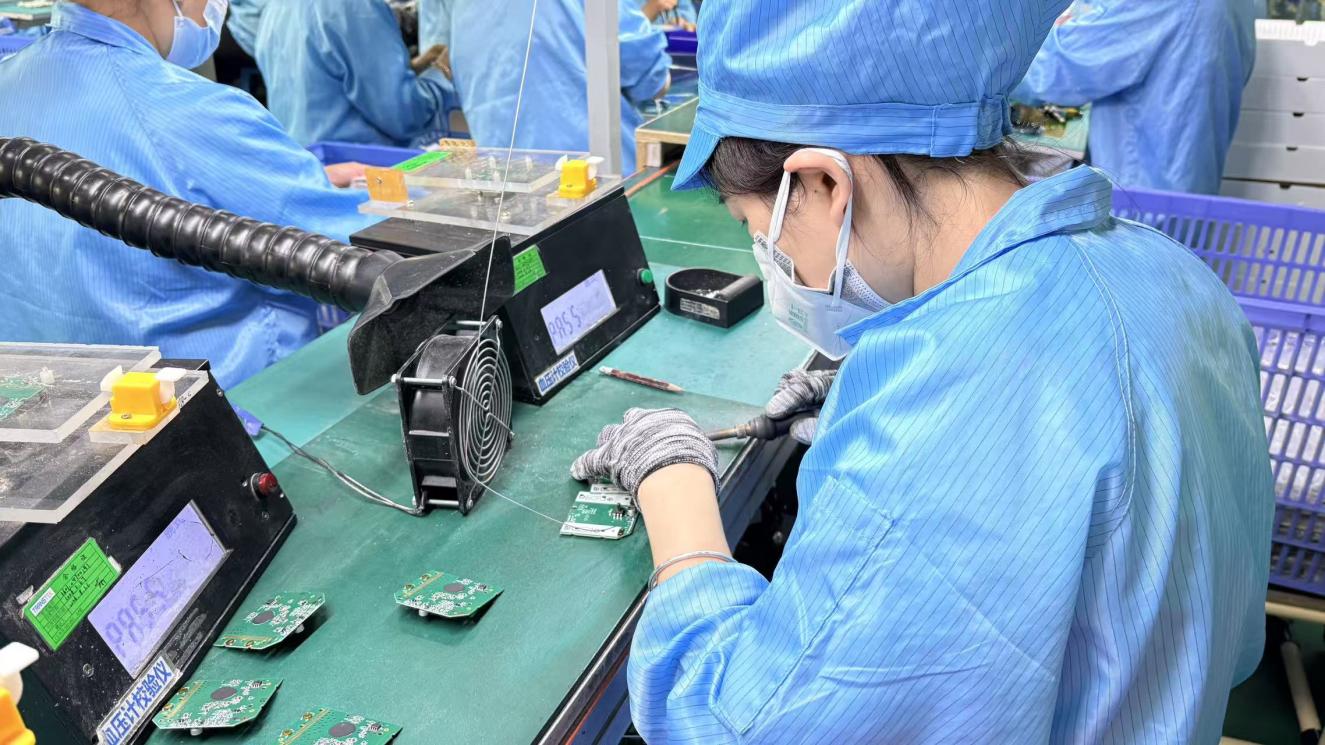
Welding
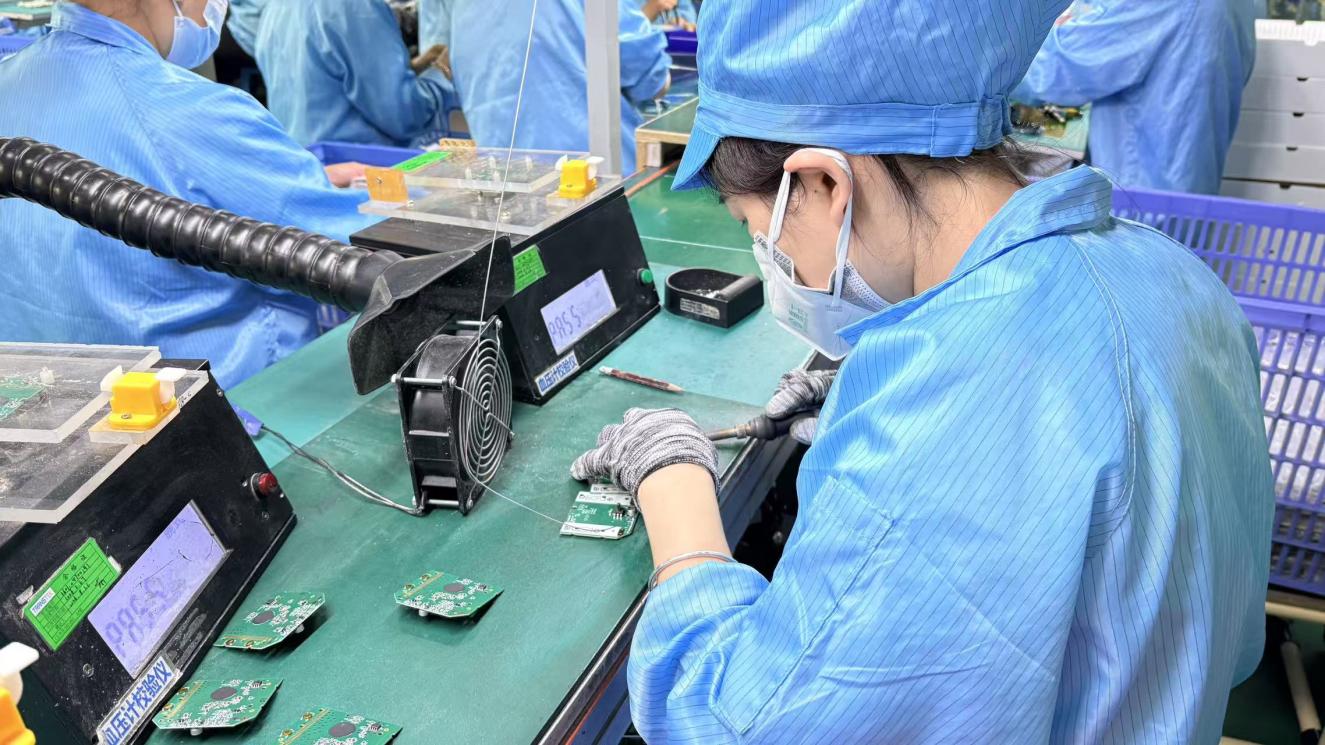
Inspecting 1
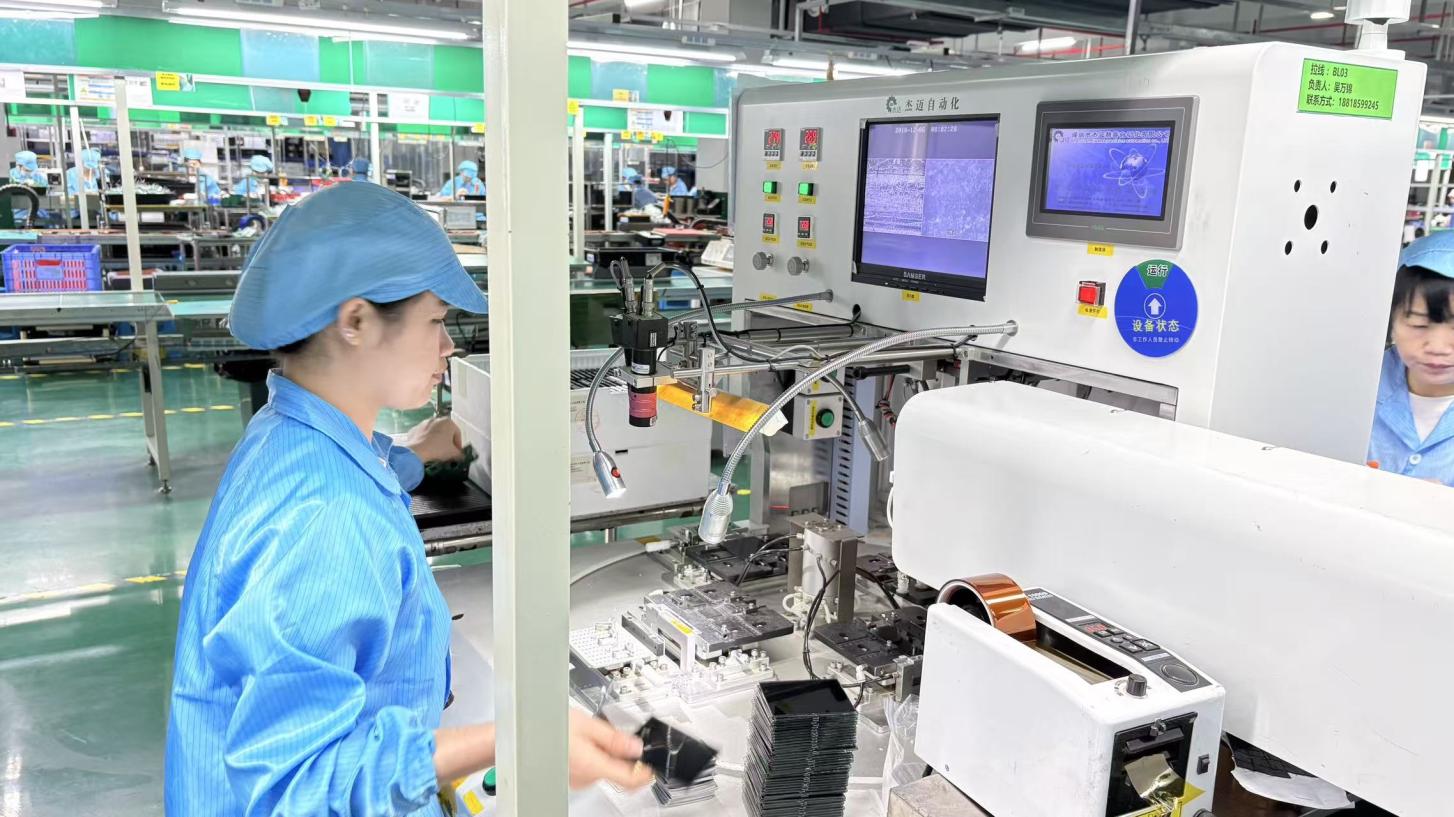
Inspecting 2
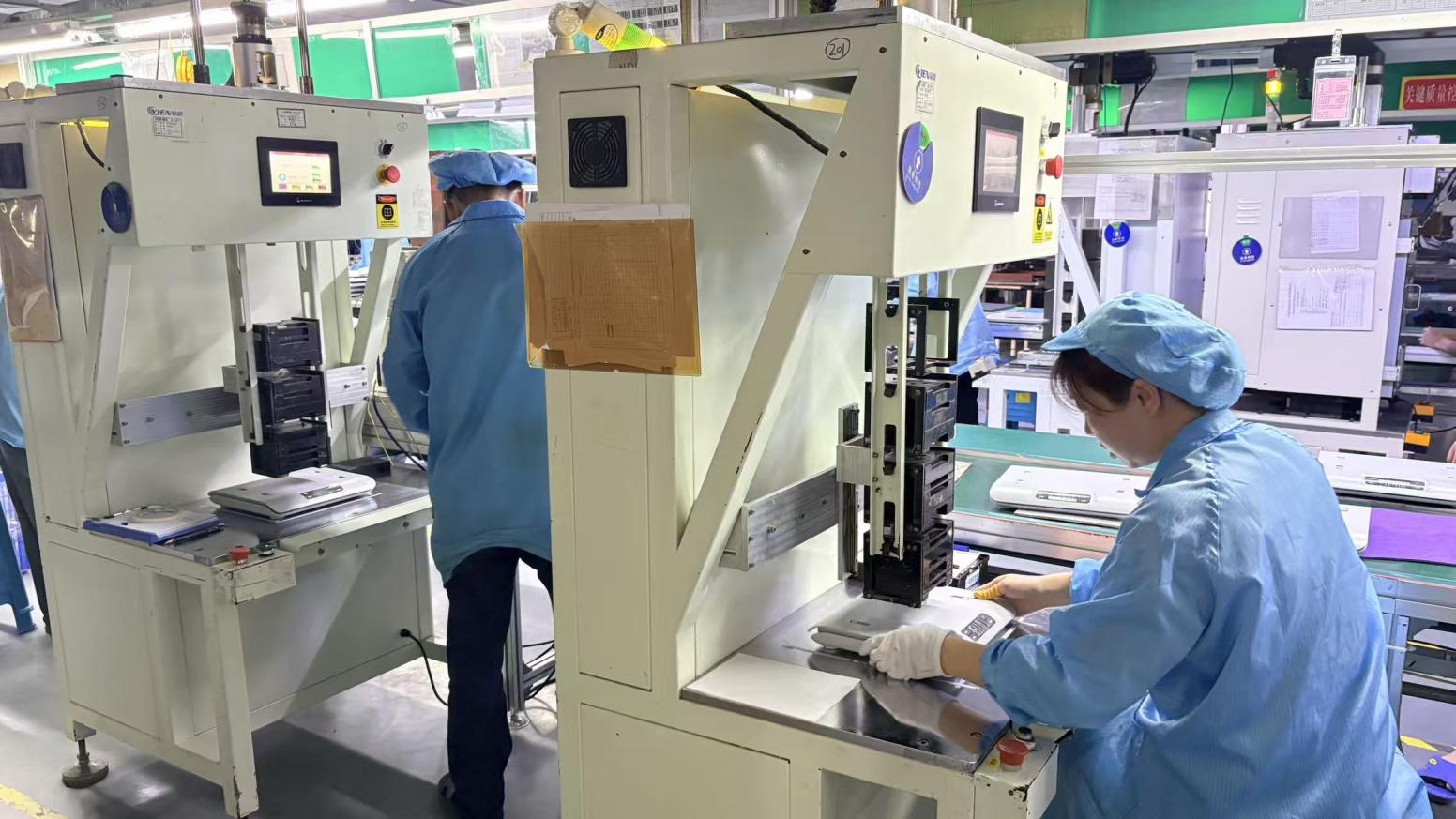
Inspecting 3
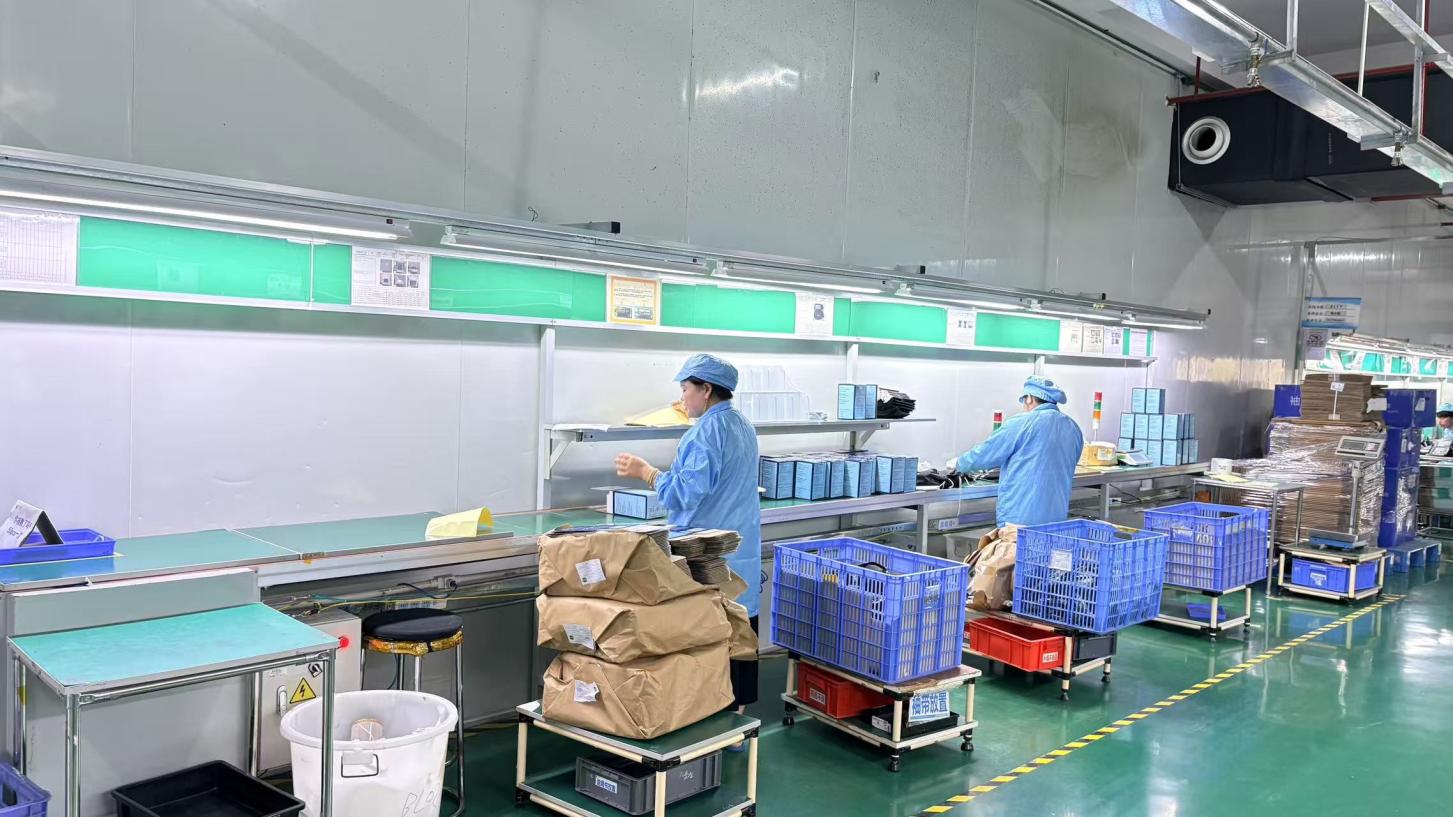
Packing

Finished Products
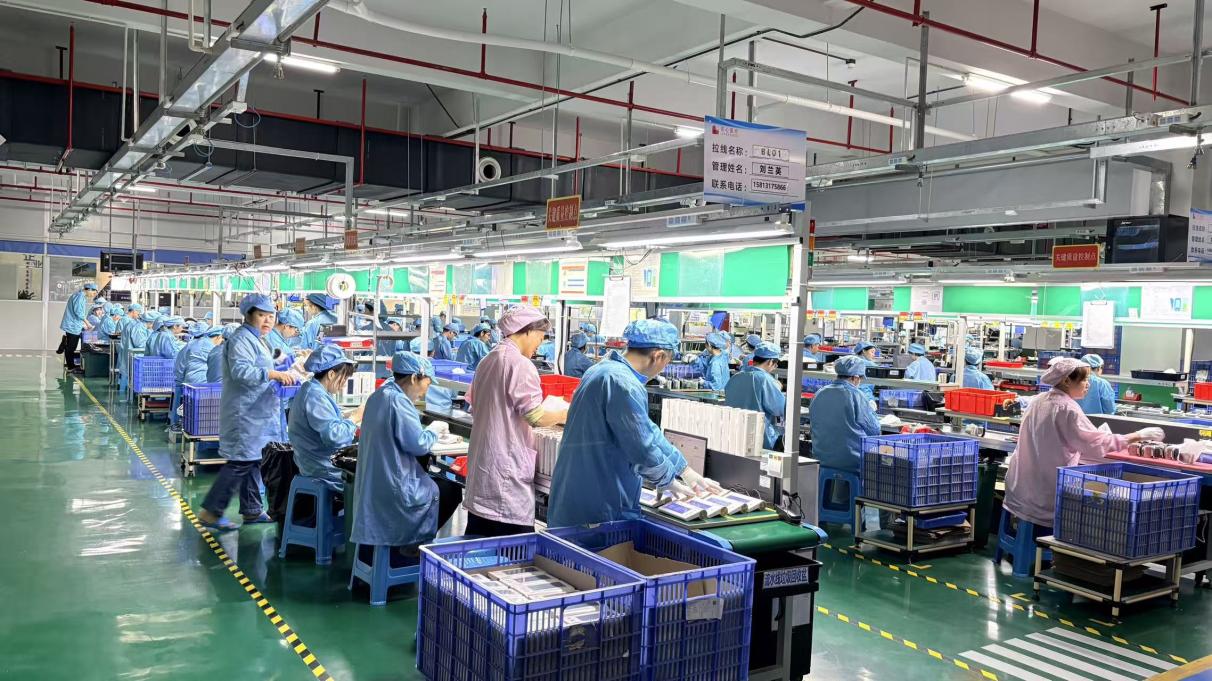
Assembly Line
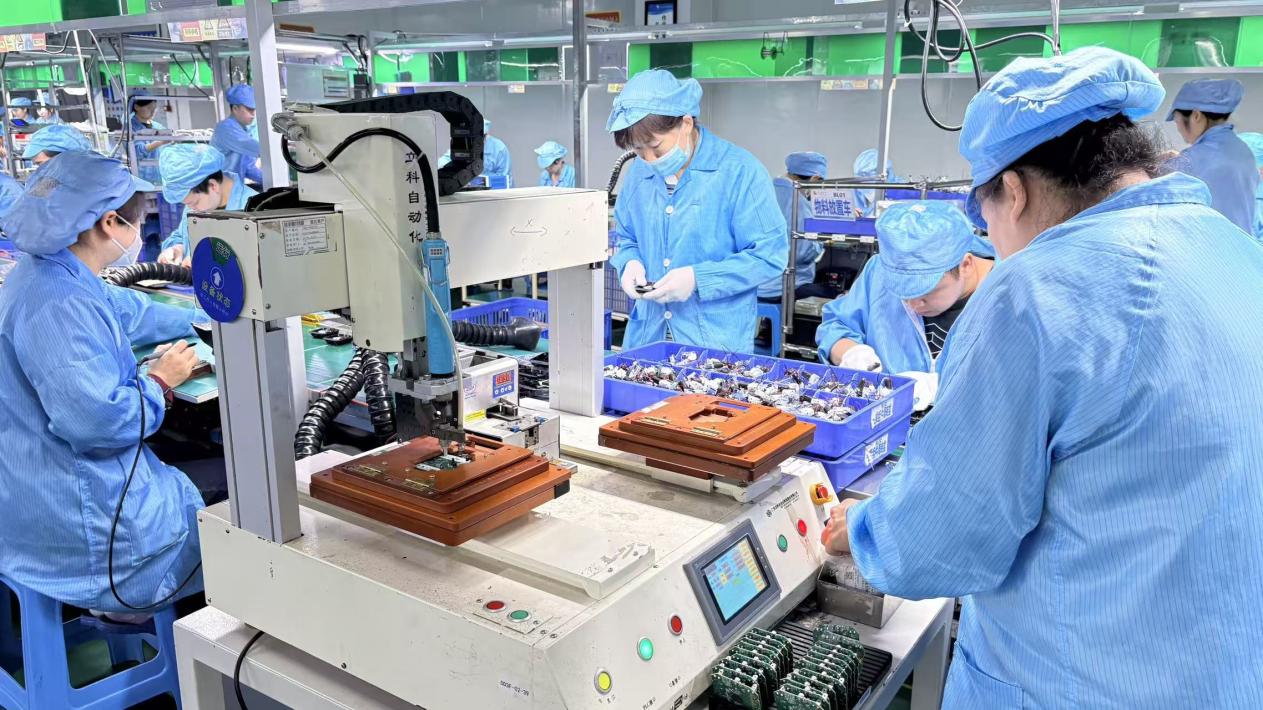
Automatic Screw Driving Machine
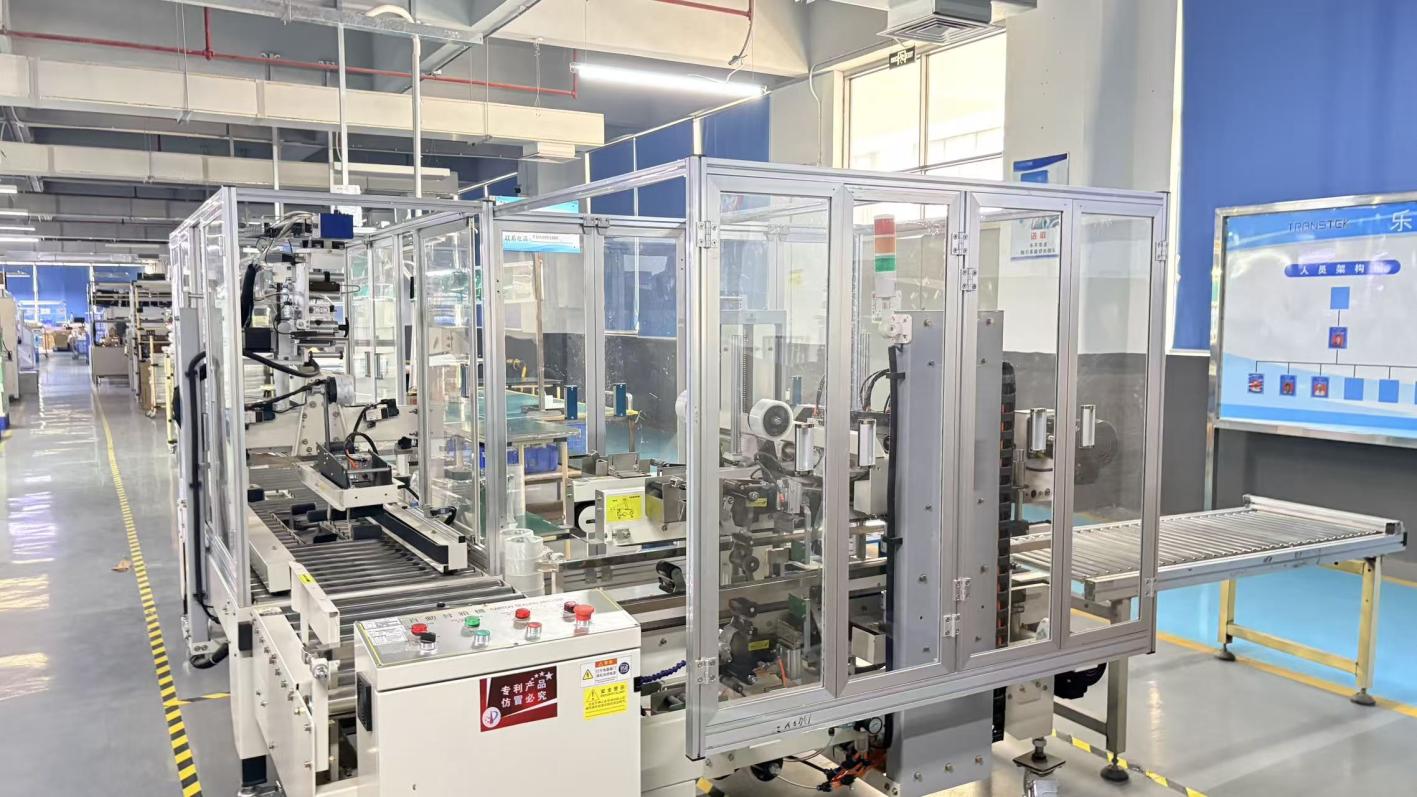
Automatic Packing Line
Discover how our smart devices operate across various medical environments and localized scenarios.
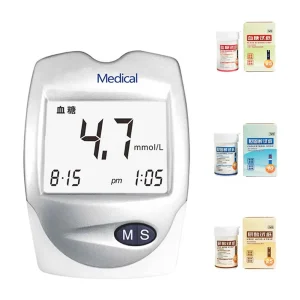
In North America and Western Europe, outpatient clinics utilize our 4-in-1 POCT analyzers and ABPM Holter monitors to monitor patients with chronic diseases from their homes, successfully reducing hospital readmission rates by up to 34%.
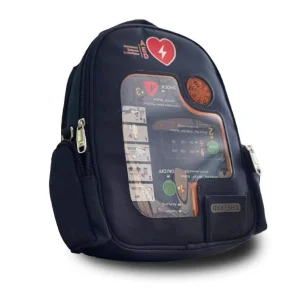
During critical events, public access AEDs and portable EtCO2 capnographs provide real-time guidance to responders. These systems are ruggedized to withstand mechanical shocks and extreme ambient temperatures in the field.
With veterinary care standards matching human diagnostics, our DS-200 Vet Blood Pressure Monitor and Handheld Capnographs provide specialty veterinary clinics with custom measurement algorithms optimized for different animal species.
A deep look at how we tailor electronics, firmware, and mechanical form factors for global brands.
Our ODM methodology is designed to minimize your time-to-market. During the initial prototyping phase, we utilize pre-certified modular hardware blocks. This means the core microcontrollers, power management integrated circuits (PMICs), and Bluetooth low energy modules are already validated for electromagnetic compatibility (EMC) and radio frequency (RF) standards.
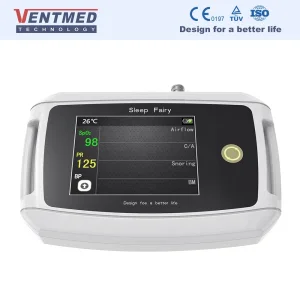
When a client requests a custom form factor (for instance, a more compact sleep apnea monitor or a customized 3D body composition analyzer casing), our CAD designers create custom plastic injection molds and design optimized PCB configurations. This prevents typical signal-to-noise ratio degradation and ensures high sensor sensitivity.
For smart medical devices, software reliability is as critical as the hardware. Our firmware is developed in compliance with IEC 62304 software life cycle standards. We perform static code analysis and automated testing to eliminate runtime errors.
Our connectivity suite supports local encryption (AES-128 or AES-256) to secure data transmission from the sensor to the receiving gateway. We also support OTA (Over-The-Air) firmware updates, allowing long-term clinical products to receive algorithm updates or security patches directly through an end-user's smartphone.
Get detailed technical, operational, and regulatory answers about our OEM/ODM partnership framework.
Explore our secondary suite of highly specialized medical hardware, designed for intensive clinical tracking, sleep diagnostics, and emergency resuscitation.